
- Because the air you breathe in and out affects you and just about everything else...
Given the choice, most people would prefer clean air to “dirty” air. But what exactly makes air “dirty” in the first place, and how much of an impact does clean air really have on your health, mood, and subjective feelings of wellness? It’s a complex topic, but an important one.
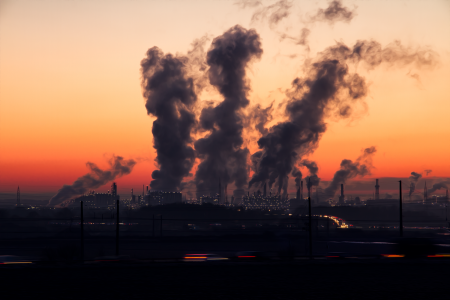
What Is Dirty Air?
We’ll start by defining what “dirty” air is. On some level, this is intuitive; if you notice thick smoke or swirling dust in the air, it’s obvious that the air is dirty. But there are subtler forms of pollution and contamination that exist.
Most air pollution in the United States is caused by one of two factors (or both):
- Ozone. Our planet is protected by a thick layer of ozone, which is an inorganic molecule made up of three oxygen atoms. When it’s high in the atmosphere, it does a great job of protecting us from extraplanetary radiation. But ozone can also exist closer to the ground; it’s often created as a byproduct of emitted chemicals from cars, factories, and other sources of pollution.
- Particulate matter. Particulate matter can take many forms, including dust, dirt, and soot, and it can be generated by any number of processes, such as burning or wind damage. When the particulate matter is dense enough, you can see the air become opaque, but for the most part, these particles are so small they can’t be seen.
Your indoor air can also suffer from particulate matter and other forms of contamination. Pet dander, pollen, and dust frequently affect indoor air quality, potentially making it harder to breathe.
How Dirty Air Can Affect Your Health
Dirty air can affect your health in a number of different ways, depending on the type of contamination, the density of contamination, and how much you’re exposed to it. Different population segments also face different risks.
For example, children may be at risk for developmental problems if they’re chronically exposed to dirty air while their lungs are developing. People who are predisposed to allergies and those with chronic respiratory conditions like asthma are also at increased risk of suffering health complications.
In poor conditions, people exposed to dirty air may find it more difficult to breathe. You may find yourself unable to take deep breaths, or find yourself coughing if you breathe in too much air. If you already suffer from asthma, this may even trigger an asthma attack. Some people also experience headaches or find themselves feeling unwell in dirty air conditions.
If you’re exposed to low-quality air chronically, over a long period of time, you may be at increased risk for a variety of different conditions. For example, there is some evidence to suggest that chronic exposure to pollution can lead to childhood asthma.
Indoor Air Quality
If you’re interested in living with cleaner indoor air conditions, there are several steps you can take:
- Utilize air purifiers. Air purifiers work by passing air through a filter designed to catch specific types of particles and trap them. Different types of filters can catch different sized particles. If you invest in a suitably sized air purifier for your household, you may be able to improve your indoor air quality.
- Keep the windows open when possible. Fresh air circulation is almost always a good thing, especially if your house is experiencing poor conditions from dust or dander.
- Be wary of your habits. Certain behaviors and actions can make indoor air quality worse, such as spraying chemicals or never cleaning the house.
Outdoor Air Quality and the Air Quality Index (AQI)
Outdoor air quality is less in your control. However, the Environmental Protection Agency (EPA) has developed an Air Quality Index (AQI) measurement to help people understand the current conditions of outdoor air; it’s a scale from 0 to 500, with anything above 100 signaling conditions that could make it difficult to breathe.
Here are some important steps you can take to minimize the effects of outdoor air pollution:
- Carefully consider where you live. Some areas, especially big cities, suffer from air pollution more than others.
- Pay attention to the local AQI. The AQI will fluctuate significantly from day to day. Stay inside or limit your time outside when the AQI reaches above your comfort zone.
- Take extra precautions if you belong to a sensitive group. If you have asthma or a respiratory condition, it’s even more important for you to remain aware of your surroundings and take extra precautions.
Here’s the short version: air quality can have an impact on your physical and mental health, especially if you belong to a group that’s particularly sensitive to air quality or you’re chronically exposed to “dirty air” conditions. Do what you can to minimize your exposure to dirty air and keep the air around you as clean as possible.