
- Because who couldn't use a better night's sleep...
Sleep Apnea is a dangerous sleeping disorder wherein breathing is repeatedly interrupted during sleep. Individuals who have untreated apnea may suddenly stop breathing during their sleep. If not treated adequately, sleep apnea can lead to other health complications like hypertension, stroke, cardiomyopathy, heart failure and diabetes.
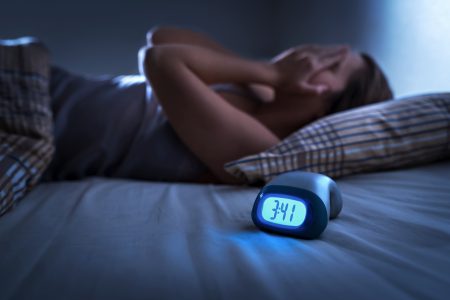
Other than medical issues, untreated sleep apnea can be the cause of work-related injuries and accidents. In children and adolescents, underachievement in school can be an early sign of apnea. Loud snoring and motor vehicle accidents can also be underlying signs of undiagnosed sleep apnea.
Treatment Options:
There are several kinds of treatment available for sleep apnea. In conservative or mild cases, treatment may include right sleeping posture, a healthier lifestyle, and sleeping pills. However, the most common type of solution is mechanical therapy. Mechanical Therapy has several further categories, but they all focus on Positive Airway Pressure Therapy or PAP. Essentially, patients are required to wear a mask that allows an air blower to gently force air into the breathing canal. There are several styles and types of positive airway pressure devices depending on the specific needs of patients. Styles and types include:
- Continuous Positive Air Pressure: CPAP is a widely used PAP device. The machine is set on single pressure and generates a steady stream of pressured air that passes through an air filter and into a flexible tube. Purified air is delivered through this tube into a mask sealed over the mouth or nose.
- Bi-Level PAP: This device produces one pressure during inhalation and a lower pressure during exhalation. Insurance companies only cover this device under certain criteria. Only when a CPAP machine fails to show any signs of improvements is when a Bi-level PAP device used.
- Auto CPAP or Auto Bi-level: It uses a range of self-regulated pressure depending on the requirements detected by the machine
- Adaptive Servo Ventilation: It is a form of non-invasive ventilation used to treat central apnea.
There are other forms of treatment available. Nasal surgery and mandibular devices are other commonly used treatment options that patients with sleep apnea can choose. Hypoglossal nerve stimulators and many other options can also be used in certain cases.
Side Effects of CPAP Treatment:
CPAP Machines are the most common treatment routine for sleep apnea. Studies have shown that CPAP substantially impacts daytime symptoms and quality of life. While the device does make it easier to breathe during sleep, several side effects may develop due to prolonged use of the device.
- Respiratory Infections: CPAP devices can be easily contaminated by bacteria or viruses, making respiratory infections a common side effect. Regarding mechanical humidifiers, CPAP devices have shown a higher risk of infection. Moreover, an acute infection may also lead to pneumonia.
- Nasal Dryness and Inflammation: CPAP treatment applies constant air pressure on the nasal wall. Inflammatory responses may develop in the nasal cavity due to constant mechanical pressure, leading to the nasal mucosa’s activation. Reduced air surface liquid is also a side effect of CPAP devices that leads to dryness in the air canal
- Aerophagia: Aerophagy or aerophagia occurs when pressurized air is swallowed, causing abdominal discomfort and flatulence. It may also cause gastroesophageal reflux disease.
Serious Philips CPAP Side Effects:
CPAP devices mostly cause the same side effect irrespective of the company that manufactured the machine. However, serious side effects were caused by devices manufactured by Philips. Unlike most side effects, which are mild and go away in a few days, Philips CPAP machines had life-threatening implications.
In 2021, Philip recalled its CPAPs due to broken-down foam particles or gasses that could enter the body through the device’s airway. Ingested or inhaled foam particles or chemical gasses may lead to carcinogenic, toxic or respiratory side effects. Toxic chemicals were found in particles and gasses, including toluene diamine, toluene diisocyanate, diethylene glycol, dimethyl diazine and phenol, 2,6-bis (1,1-dimethylethyl)-4-(1-methylpropyl)-.
Although Philips had recalled the faulty products, negligence in the design of the device led to several Cpap machine lawsuits against Phillips. Some symptoms associated with recalled CPAP devices are:
- Organ damage
- Asthma
- Sinus infection
- Cancer
Final Words:
The Philips CPAP controversy brought public awareness to the seriousness of side effects usually caused by the use of the machine. As a piece of important medical equipment widely used for treating sleep apnea, CPAP is unlikely to be discontinued as a treatment option. However, as consumers, it is important to use your discretion, especially when it comes to your health. It is also important to remember that while CPAP is a common option, it is not the only available treatment.