
- For collectors, there's always something worth buying out there...
In a world perpetually hurtling forward, an undeniable allure exists to the past. It captivates us with its stories, its mysteries, and its echoes of a time long gone. Humans have an inherent fascination with history, and one of the most tangible ways to connect with it is by owning a piece of it. From ancient artifacts to vintage cars, from historic homes to heirloom jewelry, the desire to possess a tangible link to the past is deeply ingrained in human nature.
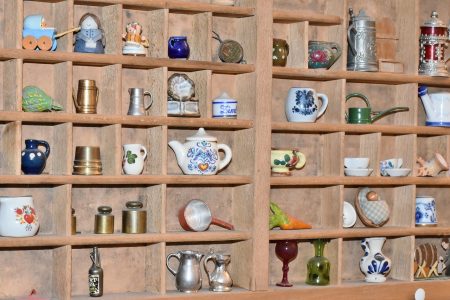
But why do people feel such a strong pull towards owning historical artifacts? What drives individuals to invest time, effort, and often substantial sums of money into preserving pieces of history? To answer these questions, we must delve into the psychology behind our fascination with the past and explore the multifaceted reasons why people cherish owning these tangible remnants of bygone eras.
The Purchase of Nazi Flags
Purchasing Nazi flags can be a contentious and morally fraught decision for many individuals. While some may view them as historical artifacts representing a dark period in human history, others see them as symbols of hate and oppression. The act of buying such flags can evoke various reactions, from curiosity to condemnation. For collectors, acquiring Nazi flags may be driven by a desire to preserve history or study the past, albeit a troubling one. However, it’s crucial to acknowledge the sensitive nature of these symbols and the potential harm they can cause by glorifying or normalizing ideologies of hate. Ultimately, the decision to buy Nazi flags demands careful consideration of the ethical implications and a deep understanding of the historical context in which they exist.
Connection to the Past
One of the primary reasons people love owning historical artifacts is the sense of connection they provide to the past. Holding an ancient coin, wearing a piece of vintage clothing, or admiring an antique piece of furniture allows individuals to bridge the gap between the present and the past. These objects serve as tangible reminders of the people, cultures, and events that shaped history, offering a glimpse into a world that once was.
For many, owning a piece of history is a way to honor their ancestors and preserve their legacy. Family heirlooms passed down through generations carry with them not only sentimental value but also a sense of continuity and tradition. They serve as physical manifestations of family history, linking past generations with those yet to come.
The decision to own historical artifacts, particularly those with contentious backgrounds, requires careful consideration of ethical implications and sensitivity to the impact they may have on individuals and communities. While the desire to connect with the past is understandable, it is essential to approach the acquisition and display of such items with empathy, respect, and a commitment to historical understanding and education. Ultimately, the appeal of owning pieces of history lies not only in their materiality but also in the stories they tell and the lessons they impart about the complexities of human experience.
Aesthetic Appeal and Craftsmanship
Beyond their historical significance, many historical artifacts are admired for their aesthetic appeal and craftsmanship. Whether it’s an intricately carved piece of furniture from the Renaissance period or a beautifully preserved painting from the Baroque era, historical artifacts often exhibit a level of artistry and attention to detail that is unmatched in modern production.
Owning these objects allows individuals to surround themselves with beauty and craftsmanship while also appreciating the skill and artistry of past generations. There’s a certain romance in owning something that has stood the test of time, bearing the marks of age and history while retaining its inherent beauty.
Investment and Prestige
For some collectors, owning historical artifacts is not only a passion but also a lucrative investment. Rare coins, antique jewelry, and historical documents can appreciate significantly in value over time, making them attractive assets for investors. Additionally, owning prestigious pieces of history can elevate one’s social status and provide a sense of pride and accomplishment.
However, it’s important to note that for many collectors, the value of historical artifacts goes far beyond monetary considerations. While investment potential may play a role in the decision to acquire certain items, the intrinsic value of owning a piece of history often outweighs any financial gain.
Curiosity and Education
For history enthusiasts, owning historical artifacts is a way to satisfy their curiosity and deepen their understanding of the past. Whether through books, museums, or personal collections, exploring historical artifacts allows individuals to immerse themselves in different periods and cultures, gaining insights into the lives of those who came before us.
Owning historical artifacts also provides an opportunity for education and storytelling. Family heirlooms, in particular, offer a platform for sharing stories and passing down knowledge from one generation to the next. By preserving these artifacts, we ensure that the lessons of the past are not forgotten and continue to resonate with future generations.
Preservation and Legacy
The most compelling reason people love owning historical artifacts is the desire to preserve them for future generations. By acquiring and caring for these objects, collectors become custodians of history, ensuring that they remain intact and accessible for years to come. Whether through private collections, museums, or cultural institutions, the preservation of historical artifacts is essential for safeguarding our collective heritage.
Moreover, owning historical artifacts allows individuals to leave behind a lasting legacy. By carefully curating collections and documenting their provenance, collectors can contribute to our understanding of history and enrich the cultural landscape for future generations. In doing so, they ensure that the stories of the past continue to inspire and enlighten long after they’re gone.
In a world defined by rapid change and progress, the allure of the past remains as strong as ever. Whether driven by a desire for connection, an appreciation for craftsmanship, or a passion for preservation, people love owning pieces of history for a multitude of reasons. From family heirlooms to rare artifacts, these tangible links to the past serve as reminders of where we come from and the legacies we leave behind.
As guardians of history, it’s our responsibility to cherish and preserve these artifacts for future generations, ensuring that the stories they tell continue to resonate for years to come. In doing so, we honor the past, celebrate the present, and lay the groundwork for a richer, more informed future. After all, in the words of Winston Churchill, “The farther backward you can look, the farther forward you are likely to see.”