
1A British company introduces Beard Baubles to the masses
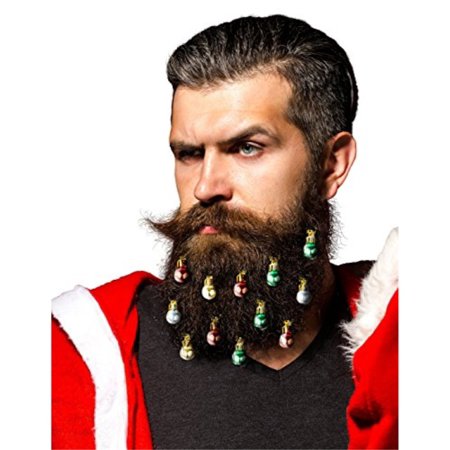
Don't really want to go all out and find a tree this year and yet want to look festive during the holiday season? With full beards currently all the rage, an advertising company in east London has launched a range of Beard Baubles.
The company claims that the Yuletide facial hair accessory – which retails for £5.00 ($7.80) a packet – has been flying off shelves, with customers from as far as Australia placing orders.
A spokesman from Grey London, the agency behind this latest fashion trend said: "The product has been particularly popular with Brits. We've sold more than we ever expected, and Aussie, American, Kiwis, German and French customers have been purchasing Beard Baubles too."
All proceeds from the baubles go to Beardseason, an initiative to raise awareness for the fight against melanoma that is encouraging men to grow their beards during the month of December.
2The hip cereal eatery that plays on customers' nostalgia
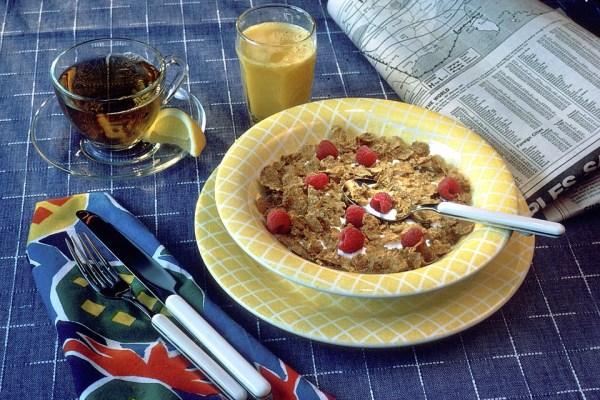
Miss the sugary breakfasts you enjoyed as a kid? Well, the Cereal Killer Cafe in London's Brick Lane will cater to your every cereal need.
The cafe is the brainchild of Belfast twins Alan and Gary Keely and offers an impressive number of cereals to chose from – approximately 120 different varieties (not to mention 20 toppings and 12 different milk options).
The establishment is teeming with limited-edition cereal boxes and collectibles proudly displayed on furniture reminiscent of yesteryear.
The eighties and nineties vibe continues with the cafe's music choices and vintage magazines.
While the cafe appears to be a hit with its demographic, it's not without its detractors, especially after a news reporter from UK TV's Channel 4 launched awkward questions at one of the twins about their £3.20 ($5) price tag for a bowl of cereal in an area of the city where many residents live in deprivation.
3A hipster beer brings the Golden Age of Boxing into the 21st century
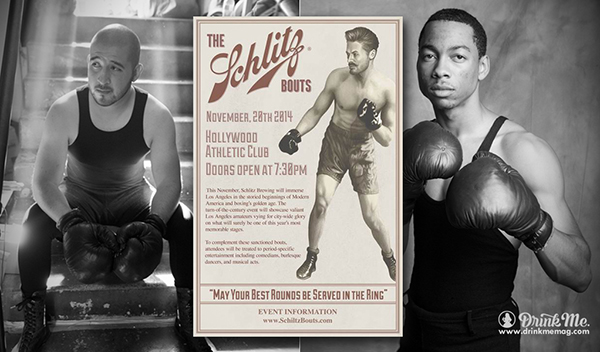
On November 20, 2014, Schlitz Beer (a favorite of hipsters everywhere) brought back a bygone era in boxing at the Hollywood Athletic Club in Los Angeles with "The Schlitz Bouts, a Night of Heritage Boxing, Style and Entertainment."
Four sanctioned amateur matches in four weight classes were gussied up with the trappings of the early to mid 20th century: a swing band, a barbershop quartet, bartenders making Old Fashioneds, postcards fresh off a letterpress and cigars being rolled by hand. Attendees wore the fashions of the time as well – women unearthed flapper outfits, and everybody seemed to wear a hat.
The four matches went by at a quick clip, three rounds each. Dancing girls filled the time between bouts, and a ring girl strolled the perimeter between rounds.
John Genest, Brand Manager for Schlitz Brewing states, “The Schlitz Bouts creates a meaningful opportunity to celebrate how the brand and the city were leaders in establishing American industry and culture during the early 20th century.”
4The fashion trend bringing outdoor clothing and accessories into the mainstream
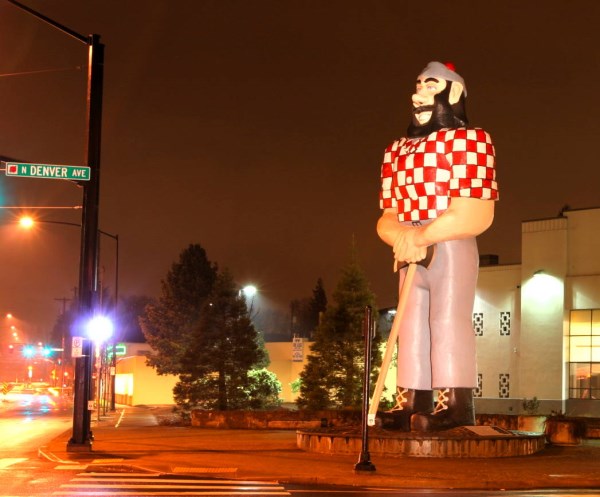
Metrosexuals, step aside. Hipster subculture has given rise to the "Lumbersexual" – men who have a calculated look with the desire to be (and be seen) as rugged and the heteronormative version of “manly.”
The Lumbersexual has brought the outdoor industry's clothing and accessories into the mainstream. Lumbersexuals are putting time and money into their look with a move back to a more overtly masculine style — which like metrosexuality, is still consumption-based.
5A morbid Victorian hobby makes a comeback among hipsters
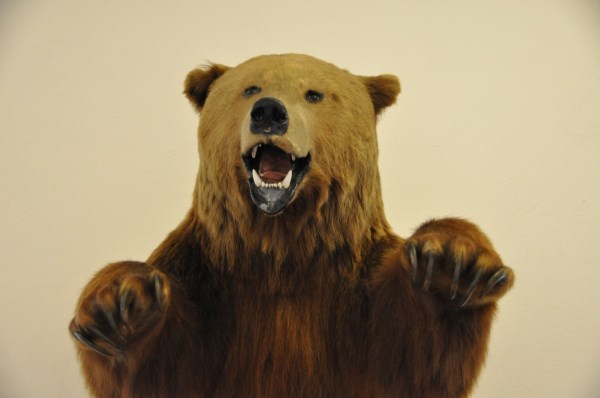
Move over knitters and urban farmers. – from DIY stuffing kits to workshops and homemade skull jewelry, taxidermy is making a comeback in the hands of artists, designers and newcomers determined to make stuffing the dead trendy.
Why is a hobby not popular since the Victorian era gaining traction? According to Jo Shears, fashion designer and taxidermist, "It really fits with the trend for vintage and is popular with the sleek and more design-led crowd."
In this century, taxidermists are largely made up of women. The hobby has moved away from the traditional hunter-style pieces and into creative compositions, like fashion accessories or what's called “rogue taxidermy” – the creation of fantasy animals, like rats with wings.
Courses are easy to come by as well, thanks to YouTube tutorials and online forums. There are also a growing number of classes (often around $200) that are popping up in many major cities.
6The device that prevents drinkers' beards from getting wet
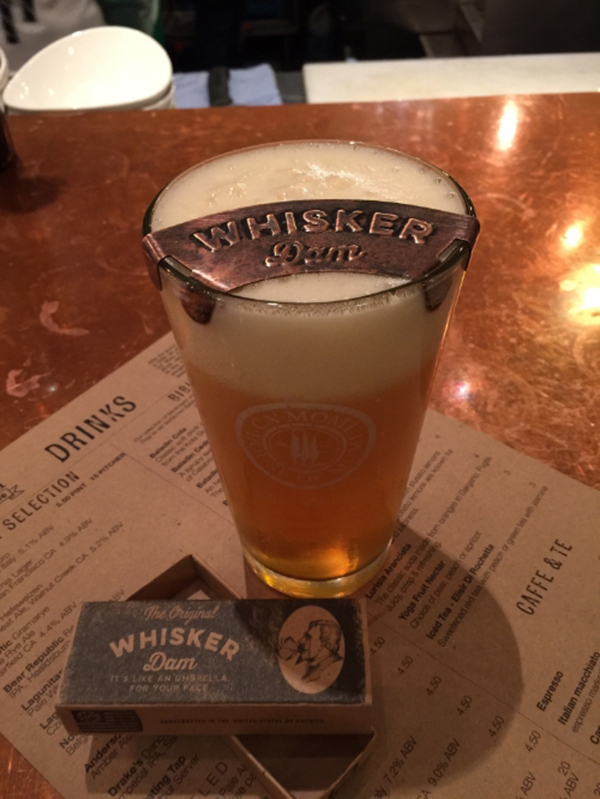
As essential to the hipster as vinyl, the Whisker Dam is "like an umbrella for your face." In other words, it's a "drinking dam that stops your moustache falling into your pint of craft beer."
The damn was created by an American named Jeff, who claims that the invention is part of a long line of moustache protecting devices, dating back to late 19th century.
He explains: “The Whisker Dam embraces the rich history of gentlemen, and their luxurious 'stashes. Throughout the ages, it is apparent that there has always been a battle between a man's perfectly groomed stash and fluid elements that try to saturate it. Since the 1800's gentlemen have been creating various contraptions to protect their magnificent whiskers.”
The Whisker Dam comes with this gold-plated promise: "When it comes to moustache guards you will not find a more premium product." We have to admit, we were unaware of this product's popularity – if you want to get one, they're currently on back order.
7Farming explodes in urban areas to mixed results

If you've always dreamt of having chickens, but never believed it was possible because you lived in an urban area, your prayers have been answered. Victory Chicken, a company located in Brooklyn, is dedicated in bringing live chickens "back into everyday American life."
Victory Chicken supplies the urban farmer with "Rosie" packages, which includes 3 hens, a locally built coop delivered and installed, 2 months of supplies, and "Chickens 101" training.
Remember, however, before you jump in, raising chickens is a major commitment. A few have been abandoned for various reasons, one of which includes ordering online and discovering suppliers can't tell 100 percent if they're sending a lady or a gentleman.
8The ice that is rumored to makes craft cocktails better and costs a $1 a cube
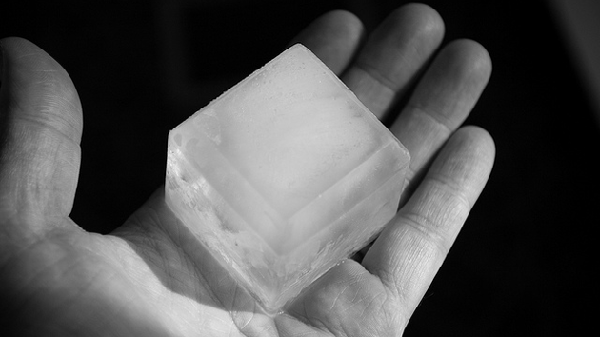
What's stored at minus-2 degrees, sculpted with a Japanese band saw, and retails for $1 a cube in major cities around the world?
It's not a riddle, however perplexing the answer may be. That's right, artisanal ice is a thing, despite still being just frozen water.
Those who love craft cocktails do indeed swear by artisanal ice. In addition to being more aesthetically pleasing, the cubes' density and relatively large size mean they melt more slowly and dilute your drink less.
However, artisanal ice – or rather, the creation of it – may not be good for the environment. A Clinebell (a machine ice sculptors use to form the blocks they carve into statues for weddings and bar mitzvahs) has to run for more than three days to make the amount of ice a regular restaurant ice machine could produce in one day. Artisanal ice makers also have to deliver their product to their customers, which means packing it in dry ice and carting it around in a van.
Regardless, business is booming for the 20 artisanal ice creators around the U.S. Some companies have even started making house calls.
To see how the ice made, check out the video below:
9A non-profit organization known for helping the needy looks to reach the youth demographic
Goodwill Industries is a non-profit organization that has been helping the needy since 1902 and provides job training, employment placement services, and other community-based programs for people who have disabilities. Clothing and household goods donated to Goodwill are sold in more than 2,600 of the organization's retail stores as well as online.
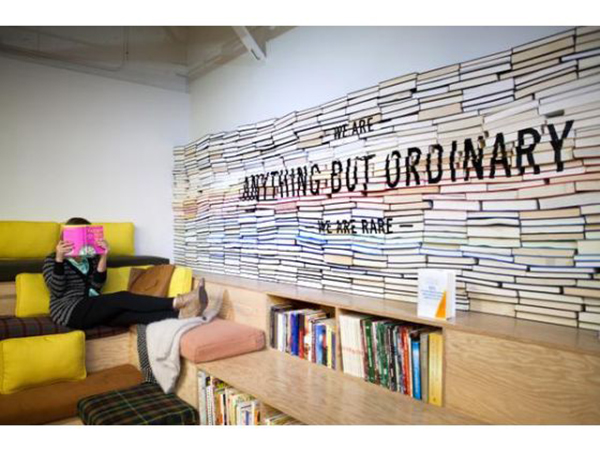
Currently, the organization is branching out and experimenting with alternative store concepts, one of which is a retail boutique that caters to the hipster crowd. Rare by Goodwill debuted in Anaheim, California in December 2014.
Typewriters (not computers folks, unless there are some old Apple Classics floating around) are perched above rows of curated men's hats, sneakers and boots. Turntable stations let customers play any of the boutique's large selection of vinyl records before purchasing, and an art installation made of books reads in bold, capital letters, “We are anything but ordinary. We are rare."
Goodwill still sells used clothes and furniture at the new 4,700-square-foot boutique, but the styles are considerably more current. (We picture rows of skinny jeans and more white belts than one can shake a stick at.) However, Goodwill's original intent remains the same as Frank Talarico, Jr., President and CEO of Goodwill of Orange County explains: “Customers will find one-of-a-kind goods not found anywhere else, and their money goes right back into our programs in the same way it does at our other retail locations. This is another unique opportunity for us to offer more job training and increase our placement services.”
10A conservative pundit embraces hipster culture

You know a cultural movement has reached its zenith when aspects of that movement end up commercialized and in the hands of those for whom it was never intended.
Enter conservative pundit Glenn Beck.
Beck recently launched 1791.com, which is described by The Daily Beast as: "Beck's extrapolated vision of an alternative to alternative style looks even more like alternative style, right down to its romancing of the hand-to-mouth existence that brought organized labor into being." Here, you can find a $200 “Lincoln ax," ancient first-aid kits, beard oil, teepees (labeled “ranger tents”) and a whole host of subversively sloganed t-shirts, which say things like, “Unplug from the system," "Stay wild. Stay free,” and “Just Another Stubborn Dreamer."
All of this can be yours just in time for Christmas, or until the next youth movement comes along.