
- Would you spend your time shopping for things that don’t exist?
A peculiar fad is taking South Korean youths by storm. They are spending time on online shopping apps, placing one order after another.
Oddly, none of them will ever receive the things they buy. That’s fine, though, as none of them has paid a won for anything.
After all, the shopping apps are all fake.
These apps, also called dopamine apps, simulate the online shopping experience to a tee. The users get to have the full experience, from browsing products to following (bogus) delivery notes, without having to spend money.
According to the apps’ developers and their fans, they are a great way to kill time without incurring extra costs in South Korea’s tight economy. Online shopping addicts have also noted that the apps can help them scratch their itch without straining their finances.
Others, meanwhile, have branded the apps a waste of time. Some are even ridiculing them and likening them to children playing “shopping” with each other.
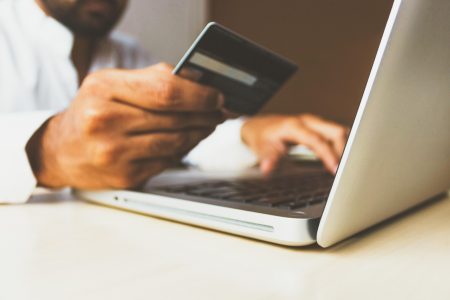
What Are Fake Shopping Ads?
When you hear the phrase “fake shopping app,” your mind might go to scam apps that steal your credit card information. The South Korean fake shopping apps, however, can’t do that.
After all, you don’t even need to give them your payment info because you can’t buy anything through them.
The apps present an authentic online storefront with plenty of options for shopping. Some of the most popular ones, like FoodNeverComes, are focused on ordering food, while others are more like Amazon and display a dizzying variety of products.
They work exactly like a real shopping app would. You can browse products, make shopping lists, read and leave reviews, and get recommendations. Many of them even pull their info directly from real shops.
Once you’ve found out what you want, you’ll add the product to your cart and hit purchase. You’ll get a receipt, and some apps even send you order status updates and let you follow the delivery person’s progress on a map.
But it’s all make-believe. There are no real products to buy, the storefront takes no money from your account, and the delivery information is all imaginary.
Why Do They Exist?
The reason such seemingly pointless applications exist in the first place is stated in their aforementioned alternate name: dopamine apps. Online shopping can be very rewarding to our brains, even without buying anything.
Research has shown that the biggest dopamine hit from shopping actually comes before the actual purchase. As long as you get to look for a nice product and add it to your cart, you’ve basically gotten all the satisfaction you can from the purchasing process.
That’s why Malhee, a South Korean software engineer, developed the FoodNeverComes app. According to him, he got the idea on a boring night when he was opening and closing various shopping apps.
“I started it as a joke at first, but surprisingly, just satisfying that urge to ‘order something’ made it weirdly fulfilling without actually ordering,” he told FastCompany.
Having a way to scratch the shopping itch for free is very welcome to many young adults in South Korea. The country’s economy is, to be perfectly honest, sputtering with rising prices and stagnant wages.
In that kind of environment, the wons don’t stretch as far as they used to, and a lot of youths have had to cut back on online shopping. However, old habits die hard, and many of them find themselves returning to the shopping apps even if they don’t really want anything.
And in such a case, the dopamine apps may be just what they need.
What Do People Think?
The public reaction to the apps in South Korea has been split. Some love them, while others think they’re ridiculous – or worse.
On the positive side are the people whom the apps have helped. They say the dopamine apps have allowed them to pass the time while bored without spending any money. And then there are the people with genuine shopping addiction who claim the apps go a long way toward breaking the negative habit.
But not everyone is as enthusiastic about fake shopping. For every person praising the apps on social media, there is another saying how they’re a waste of time. Others find the whole concept laughable, saying it’s no different from adults playing with dolls to simulate the shopping experience.
And then there are the doomsayers who see these apps as yet another sign that society is doomed. Are we really so materialistic and addicted to purchasing things that we need mock storefronts to not lose our minds?
Want to read about other strange South Korean phenomena? Check out our story about cagonjok – café customers who refuse to leave.