
- For instance, do you know how old pasta really is?
If you think you know all these fun facts about pasta, you’ll have to let us know in the comments if you were right! Do you have an idea how old pasta truly is?
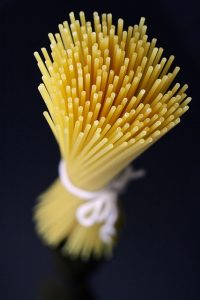
- Spaghetti means “little strings” and come from the word “spago,” meaning string or twine in Italian.
- Pasta is scientifically satisfying. Its carbohydrates boost serotonin levels,
 which can improve mood.
 - The first pasta factory in the U.S. opened in Brooklyn. Italian immigrants began mass-producing pasta in America in the late 19th century.
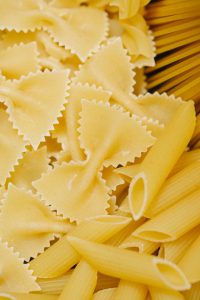
- Farfalle means “butterflies.” In English, we like to call it “bow-tie pasta.”
- Pasta art exists with artists creating elaborate sculptures entirely from dried pasta.
- Carbonara has debated origins. Spaghetti alla Carbonara may have been inspired by coal workers (“carbonari”) or American soldiers’ rations after World War II.
- The average cooking time for dry pasta is 8–12 minutes. But it varies widely depending on thickness and the ingredients.
- Ravioli dates back to the Middle Ages. Stuffed pasta has been documented in Italy since at least the 14th century.
- Durum wheat is key. High-quality dried pasta is made from semolina flour derived from durum wheat, which helps it hold its shape during cooking. Did you know this as one of the fun facts about pasta?
- Pasta shapes are designed for sauces. Thick sauces cling to ridged or tubular pasta, while lighter sauces pair best with long, thin strands.
- There’s pasta made from almost anything including lentils, chickpeas, rice, quinoa, and even vegetables.
- Marco Polo didn’t bring pasta to Italy. The common myth is that Marco Polo introduced pasta from China in the 13th century. However pasta was already in Italy before he returned from Asia.
- Naples, Italy helped popularize pasta. In the 17th and 18th centuries, street vendors in Naples sold pasta as affordable food for the working class.
- Pasta can be fresh or dried. Fresh pasta usually has eggs and is softer, while dried pasta is typically made from durum wheat and water.
- There’s a World Pasta Day each October 25th and the day is celebrated globally as World Pasta Day.
- Italy protects traditional recipes and some pasta dishes have protected status to preserve authentic preparation methods. Did you know this as one of the fun facts about pasta?
- The longest pasta strand ever made was over 3,700 meters long. That’s more
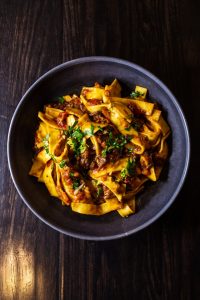 than 2 miles of spaghetti.
 - Pasta was once a luxury. Before industrial production, pasta was handmade and relatively expensive.
- Macaroni used to mean all pasta. Then in the 18th century, especially in England and America, “macaroni” was a general term for pasta and not just elbow-shaped noodles.
- Lasagna is one of the oldest pasta types and versions of layered pasta dishes existed since ancient Rome. Did you know this as one of the fun facts about pasta?
- Pasta is a global comfort food, from Italian classics to American mac and cheese to Asian cups of noodles, pasta-like dishes appear in cultures worldwide.
- Tomato sauce wasn’t always used. Pasta was eaten with oil, cheese, or butter for centuries before tomatoes were introduced to Europe from the Americas in the 1500s.
- Italy is the pasta capital of the world. Italians eat more pasta per person than any other country or around 23–25 kg or 50-55 pounds per year on average.
- Penne means “quills.” The tube shape resembles old-fashioned writing quills.
- The largest bowl of pasta weighed over 17,000 pounds and was created to set a world record.
- Al dente means “to the tooth.” Cooking pasta al dente means it should be firm when bitten, not mushy. Did you know this as one of the fun facts about pasta?
- Pasta is ancient. While Italy is famous for pasta, versions of noodles existed in
 ancient civilizations like China and the Middle East long before modern Italian pasta became popular.
 - There are over 350 pasta shapes, from spaghetti to farfalle. Italy has developed hundreds of distinct shapes, many pf which are designed to pair with specific sauces.
- Pasta helped fuel explorers. Dried pasta was ideal for long sea voyages because it stored well and lasted for months.
So what fun facts about pasta surprised you? Tell us the pasta fact you learned in to the comments!