
- Slurp up some noodles while reading these facts to celebrate the National Noodle Month.
Who doesn’t like noodles, whether they come in the form of a bowl of ramen or a nice chunk of lasagna? Noodles are so popular, in fact, that they have their own month in their honor.
March is the National Noodle Month. Since we at Oddee are big fans of both weird celebrations and strange facts, we decided to put the two together to pay our respects to the noodle.
So, without further ado, here you go — nine curious facts about noodles, from spaghetti to soba.
1. Marco Polo Did (Not) Bring Noodles to Europe

There’s a persistent legend that Marco Polo introduced Asian noodles to his native Italy, thus inventing pasta. This story is completely false, though — it originates from marketing materials published by an American food industry association.
Besides, Europeans were already making pasta-like foods long before Polo journeyed to Asia. Etruscans (the original inhabitants of Italy) boiled dough already 2,500 years ago, while modern pasta is more likely derived from itriyya, Arabic string-shaped dough strips made from semolina (like most modern pasta).
2. The Oldest Known Noodles are 4,000 Years Old
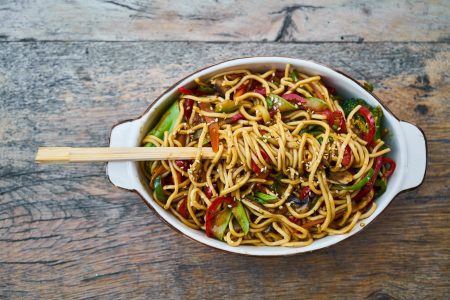
Although Marco Polo didn’t bring Asian noodles to Europe, Asians were likely the first to come up with them. After all, the oldest known noodles are from China.
In 2005, Chinese archeologists found an ancient earthenware bowl at the Lajia site in northern China. The bowl contained what turned out to be the remnants of 4,000-year-old noodles.
3. Thomas Jefferson Popularized Pasta in America

Thomas Jefferson is often touted as America’s own Marco Polo, having introduced pasta to the U.S. Again, that’s not true since pasta was well-known stateside before Jefferson — but the Founding Father did a lot to make it popular.
Jefferson specifically fell in love with macaroni during his European travels and returned to America with a pasta machine in tow. He even kept tinkering with the thing and invented his own, improved designs.
In particular, Jefferson loved macaroni and cheese. Not everyone was onboard with this new food, though — many guests found mac and cheese distasteful when Jefferson enthusiastically served it at a state dinner.
4. Noodles Used to Be a Luxury Food
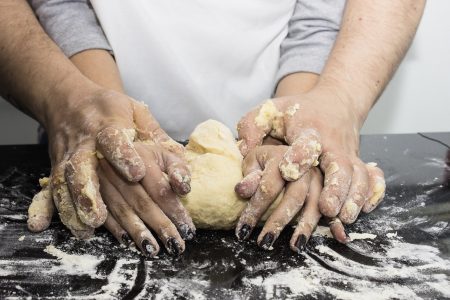
Today, noodles — whether in their Asian or Italian forms — are among the cheapest foods you can buy. In the past, however, most kinds of noodles were too expensive for most people to afford them.
It’s all because making noodles by hand is a real pain. Noodle doughs are laborious to knead and cutting or shaping them is so difficult that you’d better get paid well to do it.
It’s the same story with instant ramen. Today, a packet of ramen costs less than a dollar but upon their introduction in 1950s, they went for ten times as much when adjusted for inflation.
5. World’s Longest Noodle is 1.8 Miles Long
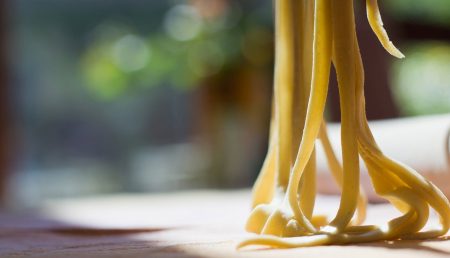
Eat your heart out, Italy. The honor for producing the longest noodle in the world belongs to China.
In 2017, the Xiangnian Food Co. in Nanyang prepared a noodle that was more than 1.8 miles long. After the record was confirmed, the noodle was chopped up and served to 400 staff members and elderly guests to celebrate China’s Senior’s Day.
6. You Shouldn’t Put Oil in Pasta Water
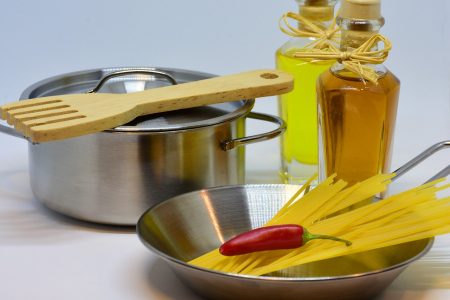
We’ve all heard that you can prevent noodles from sticking together during boiling by adding a splash of oil to the pot. The fact is, though, that the oil doesn’t do squat for the pasta.
The oil can prevent the pasta water from boiling over, but you can do the same thing by just keeping an eye on your stove’s heat. If you really want to keep your noodles from sticking, add enough salt to the water and give the noodles an occasional gentle stir.
7. Samsung Used to Sell Noodles
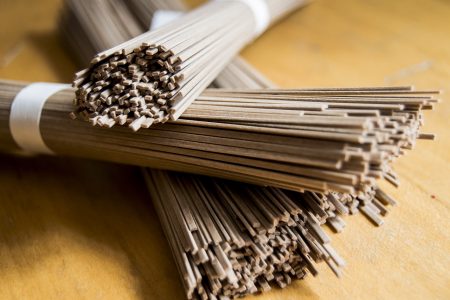
Smartphones, tablets, TVs, laptops… Today, Samsung is known for its electronics, but that’s not what the company used to make at all.
The Samsung Corporation was started in 1938 when Lee Buyng-chul started a small food trading company in then-Japanese-occupied Korea. His company, Samsung Sanghoe, sold dried fish and local produce — and noodles.
Samsung quickly diversified into industries like sugar refining, insurance, and retail. Yet, it took until the late 1960s before the first Samsung electronics appeared.
8. The Word ‘Noodle’ Comes from German
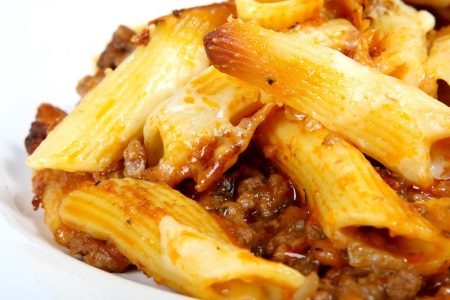
Noodles might originate from Asia and Italy, but that’s not where their name comes from. Instead, the English language word “noodle” stems from German.
The word is derived from the German word “nudel,” which in turn is a derivative of “knödel,” meaning dumplings. Fun fact, knödel are still popular across Central and Eastern Europe — but they don’t have anything to do with noodles.
9. There Are More Than 500 Pasta Shapes
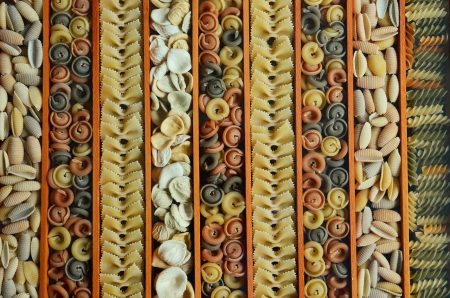
Spaghetti, elbow macaroni, angel hair, linguini, ziti, orzo… You might think there are more pasta shapes than you can count, but the fact is that they have been counted (or at least approximated).
According to the International Pasta Organization, there are more than 500 different pasta shapes. Each of them works the best with certain kinds of sauces, fillings, or toppings, and many also have symbolic significance in Italy.