
- Man or monkey, bird or bug, we all love to get wasted.
When Friday night rolls around, many people like to welcome the weekend with a stiff drink, a joint, or something else. But getting buzzed off of psychoactive substances isn’t a human-only trait by any means.
Animals, too, have been observed getting drunk or high by consuming various plants or other critters. Whether they do it accidentally or intentionally doesn’t really matter — they get smashed either way.
Here are eight animals that you just may catch black-out drunk or high out of their skulls.
1. American Robins (and Other Berry-Eating Birds)
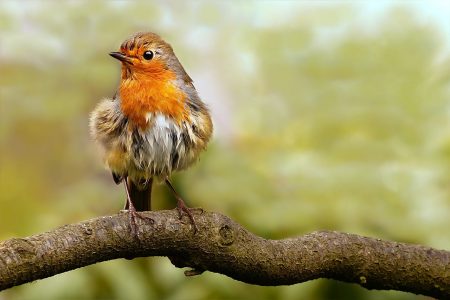
Fall is a fantastic time to be a robin or any other type of berry-eating bird. Trees and bushes are full of berries on which the birds can gorge themselves.
But as the fall days progress, some of the berries begin to rot and ferment, naturally developing a mild alcohol content. Birds don’t have much of a sense of taste, so they don’t care if the berries’ best-before date has flown by — but they do feel the alcohol.
It’s not unusual to see completely smashed birds staggering about around berry trees in the fall. It’s even more funny when they try to take flight while hammered.
You don’t have to worry about the birds, though. They’ll sleep it off and be fine in the morning (although their bird brains might be throbbing with a hangover).
2. Fruit Bats

Fruits can go off and turn alcoholic just like berries. And, just like birds, fruit bats consuming the fermented fruit will also imbibe any alcohol within.
There’s one crucial distinction between the leathery and feathery creatures, though. Whereas birds get helplessly drunk, fruit bats can hold their liquor.
One study from 2010 found South American fruit bats with blood alcohol content (BAC) as high as 0.3% flying around without much trouble. For reference, a BAC of only 0.08% will get you pulled over for driving drunk.
Curiously, though, it seems to be only American fruit bats that have a high alcohol tolerance. Similar bats from Egypt, for instance, have been found to get drunk and fly into things after eating fermented fruit.
3. Wallabies
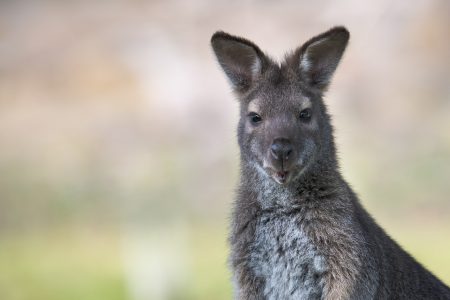
The island of Tasmania in Australia is the world’s largest legal grower of opium poppy. Natural opium is used in medicine and someone needs to grow the plants, after all.
But when food is scarce, Tasmania’s wallabies wander into the poppy fields to eat the flowers. And these kangaroo-like creatures are not immune to opium.
Wallabies have been spotted hopping around poppy fields in circles while being high out of their minds. Eventually, the animals crash and fall asleep right there in the field.
What’s weird is that wallabies aren’t the only animals that start walking around in circles after ingesting opium. Sheep that got into the poppy fields do the same. Wonder why?
4. Tree Shrews
The pen-tailed tree shrew is a small mammal that lives in the jungles of Southeast Asia. And every night, these little critters go out for beer.
One of their primary food sources is the fermented nectar of the bertam palm. The nectar can have an alcohol content as high as around 4%, roughly equal to your usual light beer.
The tree shrews aren’t satisfied with just one drink, either. When adjusted for body weight, the amount they consume each night is about equivalent to a person drinking 10 glasses of wine.
Yet, somehow, the tree shrews don’t get drunk. Their ability to metabolize alcohol is so strong it baffles researchers.
5. Dolphins
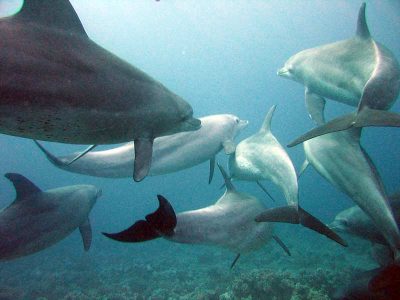
Dolphins are usually depicted as playful, friendly sea creatures, even though they’re everything but. These marine mammals love to rape and murder — and they also do drugs.
Their favorite intoxicant is puffer fish poison. Groups of dolphins have been seen nosing and scraping puffer fish with their teeth to get high off of their poisonous secretions.
Not only that, they pass the poor puffer fish around like a group of college students smoking a joint.
Yet, just as human drug users, junkie dolphins play a lethal game. A puffer fish produces more than enough toxins to kill a dolphin and going too hard at it may prove fatal to the dolphin.
6. Reindeer
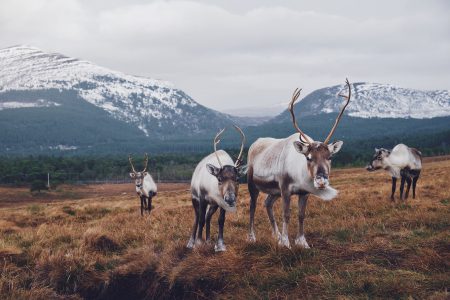
Everybody knows reindeer pull Santa’s sleigh around the world. But outside of Christmas time, Rudolph likes to chow down on some magic mushrooms.
Reindeer in Siberia often eat Amanita muscaria — that is, fly agaric. They probably don’t do it on purpose but reindeer that happen to consume enough of the toxic shrooms will begin to experience hallucinations.
Native Siberian shamans noticed this and also began to consume fly agaric during their rituals. That, or they drank the reindeer’s urine since their digestive system filters out the poison and leaves only the good stuff in the pee.
What a harmonic, hallucinogenic coexistence between man and beast.
7. Bees
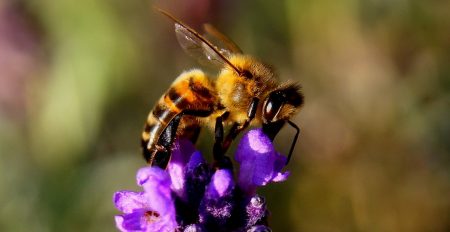
Worker bees consume nectar and transfer it back to the nest for honey production. And, as we learned from the tree shrews, fermented nectar can be alcoholic — which may lead to the bees getting drunk.
Beekeepers and researchers have seen bees get so wasted they can’t find their way back to the nest and have to wait until they sober up. If they manage to stagger their way home, though, they’re in for a bad time.
You see, bee society doesn’t approve of public drunkenness. Depending on the hive, worker bees that show up drunk can get punished or even killed.
Nicotine, however, is perfectly okay among bees. In fact, the bugs seem to have a preference for nectar from nicotine-producing plants.
8. Vervet Monkeys
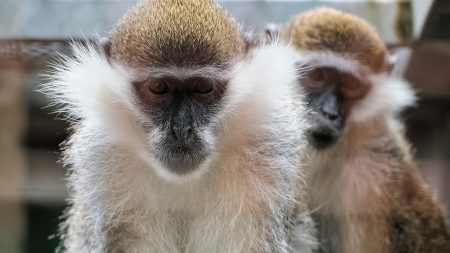
The Caribbean islands, like Barbados, are famed for their rum. But it’s not just humans who like the sweet brown liquor.
Local vervet monkeys on multiple Caribbean islands have developed a taste for alcohol as a result of their alcohol industry. They love stealing fermented sugar cane and getting wasted by chewing it.
Most of the monkeys are social drinkers who like to get buzzed with their friends. However, researchers have found that around 5% of Caribbean vervet monkeys are raging, barely functional alcoholics who will drink themselves to death if given unrestricted access to booze.
If these alcoholic monkeys can’t find sugar cane, they will resort to other means of getting their fix — such as stealing cocktails from beach-going tourists.