
- You will feel itchy after reading this list, guaranteed.
Parasites are awful, awful things. Nobody wants them, but here’s a little secret for you.
You have them.
Don’t worry, though, since the most common parasites are typically harmless. That said, there are some rarer and very strange (and awful) things out there that would love to live in your body.
Here are seven examples of them. Needless to say, if you’re sensitive to this stuff, then perhaps you’d be better off reading some kitty cat facts.
7. Demodex
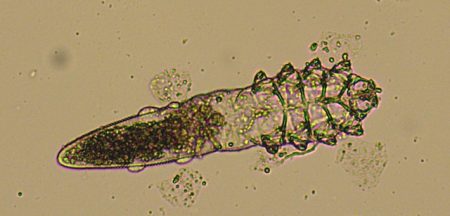
The Demodex family includes several species of tiny parasitic mites, two of which are known to live on humans. There are two strange facts about these human-infesting Demodexes.
The first is how common they are. Virtually every person on the planet who reaches their mid to late teens will be infected with Demodex mites. That includes you.
The second weird thing is that they live in the follicles of people’s eyelashes. Including yours.
It’s alright, though, since it’s questionable whether the Demodex actually counts as a parasite since it doesn’t harm you in any way. They only become a problem in rare cases where their numbers explode for one reason or another.
6. Toxoplasma Gondii
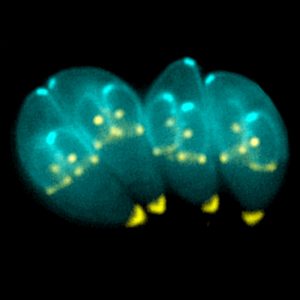
We did link to some kitty cat facts above, but here’s another one. If you have a cat, it has likely infected you with the protozoan Toxoplasma gondii.
These single-celled parasites are incredibly common. In the U.S., roughly 11% of all people carry them, and in other parts of the world, the number is as high as 60%.
Luckily, they never cause any issues for most people (outside of turning them into involuntary hosts). That said, they can cause a disease called toxoplasmosis, with usually results in flu-like symptoms. More severe cases, however, can result in neurological problems.
5. Cigar Beetle
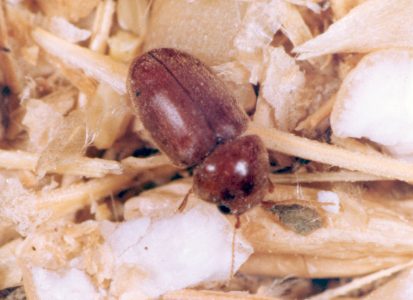
The cigar beetle is also known as the cigarette or tobacco beetle, because it’s a pest that likes to eat tobacco plants. That said, in exceedingly rare cases, people find their guts infected with cigar beetles.
Sometimes, you might accidentally swallow cigar beetle eggs (perhaps with poorly washed fruit). Most people’s immune systems will kill the eggs, but if you’re immunocompromised, they might survive a trip through your stomach and hatch.
And then you’ll have cigar beetle larvae crawling in your intestines. Here’s hoping you’ll poop them out before they grow into adults.
4. Gongylonema Pulchrum
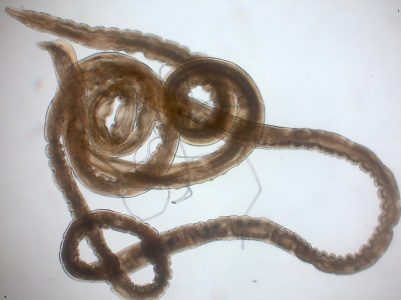
Gongylonema pulchrum is a weird parasite in humans, in the sense that it doesn’t want to infect humans. Most nematode worms in the genus Gongylonema can’t even survive in human bodies.
G. pulchrum can make it if it accidentally ends up in a human. And if you have it, you’ll know it’s there.
That’s because the worm lives in your oral tissues, such as the mucous membranes of your lips or under your tongue. It can grow a couple of inches long — and it’s capable of movement.
People who have G. pulchrum usually realize it’s there when they feel something starting to squirm inside their lips.
3. Botflies
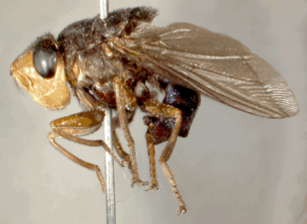
Oh boy, botflies. These flies have specialized in laying their eggs into various mammals — that’s why they have names like sheep, cow, or horse botfly.
And then there’s the human botfly.
The fly lays its eggs on mosquitoes it knows will eventually feed on a human being. The eggs hatch on the mosquito and the newborn larvae drop onto a person’s skin.
They then burrow into their flesh and grow to be up to an inch in size. They’ve been removed from all parts of the body, from arms to legs — even eyelids.
2. Trypanosomiasis
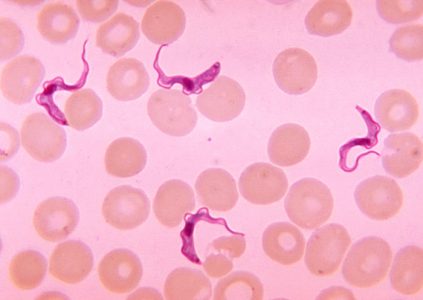
Trypanosomiasis is a disease caused by various species of Trypanosoma kinetoplastids. There are two kinds of trypanosomiasis — American and African.
American trypanosomiasis, caused by Trypanosoma cruzi, is less serious. Spreading through bites from kissing bugs usually causes fever and headaches, but it could also lead to cardiac issues.
The African variety, caused Trypanosoma brucei which the infamous tsetse flies spread, causes a disease known as sleeping sickness. Like the American version, it begins with headaches and fevers.
Within a few weeks, however, the victims will begin experiencing confusion, hallucinations, poor coordination, and trouble sleeping. Unless the condition is treated, the poor person will be dead soon after.
1. Naegleria Fowleri

Naegleria fowleri is such a difficult name to write and say. Man, we really wish this thing had a more casual nickname.
Oh, it does. It’s also known as the brain-eating amoeba.
The amoeba lives in natural, warm bodies of water and can enter a person if they, for example, happen to get some of the water up their nose. Once inside the body, N. fowleri will travel to the brain — and the feast will begin.
The good thing is that only about three N. fowleri infections happen in the U.S. each year. The bad thing is that they’re practically always fatal.