
- Do you know the reasons that we need lifeguards?
We need lifeguards but besides the obvious, do you know why? There are flags and warning systems now that we didn’t always have.
- Some beaches were known for dangerous underwater conditions, including hidden rocks, sudden drop-offs, and strong tides. Visitors unfamiliar with local waters often disappeared within minutes.
- Children were especially vulnerable because many families lacked swimming education. Numerous drownings involving young children pushed communities to consider organized beach safety measures.
- In the late 1800s, some beaches hired strong swimmers or
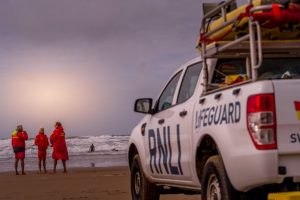 boatmen to watch over visitors. These early rescuers were not always professionally trained, but they represented the beginning of lifeguarding. This makes sense of why we need lifeguards!
 - Lifeguards became necessary because drowning has been a major danger throughout human history. Before organized rescue systems existed, many people died at beaches, rivers, and lakes because few individuals knew how to swim.
- Lifeguards also became necessary because many tourists ignored warning signs or overestimated their swimming abilities. Confidence without skill often led to fatal accidents.
- Storms and hurricanes caused deadly coastal accidents that demonstrated the need for trained emergency responders near beaches.
- Before modern warning systems, beaches rarely displayed hazard signs or flag systems. Swimmers often entered dangerous water conditions without understanding the risks.
- Industrialization in the 19th century allowed large numbers of people to travel to beaches by train. Crowded coastlines led to more accidents, especially among inexperienced swimmers.
- In ancient civilizations, water-related deaths were common among sailors, fishermen, and travelers. Coastal communities often had no organized rescue teams, meaning accidents frequently ended in tragedy. This makes sense of why we need lifeguards!
- During the early 20th century, beach tourism expanded
 rapidly in places like the United States and Europe. Crowded shorelines made drowning prevention a public necessity rather than a private concern.
 - Many people in the past believed drowning victims could not be saved once unconscious. Lifeguard training later proved that fast rescue and resuscitation techniques could save lives.
- Today, lifeguards are considered essential at many public beaches because history repeatedly showed the deadly consequences of unprotected coastlines. Countless drowning tragedies shaped the development of professional beach safety systems used around the world.
- Lifeguards became more important after newspapers began reporting shocking drowning tragedies. Public attention increased pressure on cities to improve beach safety. This makes sense of why we need lifeguards!
- Modern lifeguards are trained not only in swimming rescues but also in CPR, spinal injury response, and disaster management. Their role expanded because beach emergencies became more complex.
- Some beaches became notorious for repeated fatalities before governments finally funded professional lifeguard programs. Public outrage often followed highly publicized deaths.
- Segregation and discrimination historically limited access to swimming lessons for many communities. This inequality contributed to higher drowning rates among marginalized groups.
- Military rescue techniques developed during wartime influenced modern lifeguard training. Methods for water rescue, first aid, and emergency response became more advanced after global conflicts.
- Many early beach visitors underestimated the power of ocean currents and waves. Rip currents pulled swimmers away from shore, and without trained rescuers nearby, survival rates were low. This makes sense of why we need lifeguards!
- During the 18th century, beaches became popular for
 recreation and medical bathing treatments in Europe. As more people entered the water for leisure, drowning incidents increased significantly.
 - Alcohol-related drownings increased as beaches became social gathering places. Lifeguards often had to manage reckless behavior in addition to rescue operations.
Did you know this is why we need lifeguards? Tell us what you think in the comments!