
- Or maybe they would, what do you think?
These things wouldn’t shock us now but back then, they absolutely did. Have you heard of all these historical happenings?
The “War of the Worlds” Radio Panic (October 30, 1938) – On Halloween Eve, Orson Welles broadcast a radio adaptation of The War of the Worlds. Many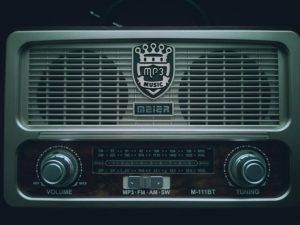 listeners tuned in after the introduction and believed Martians were actually invading the United States. Newspapers reported frightened families fleeing their homes, jamming phone lines, and calling police. Today, after decades of viral internet hoaxes, fake social media posts, and AI-generated content, a fictional broadcast causing nationwide confusion would seem far less surprising.
The First Webcam (1991) – Researchers at the University of Cambridge pointed a camera at a coffee pot in the computer lab so they could see if coffee was available without walking downstairs. The live image became one of the world’s first webcams. At the time, the idea of constantly broadcasting a mundane object online was unusual. Today, millions of people livestream nearly every aspect of daily life. These things wouldn’t shock us now, would they?
The “Balloon Boy” Incident (October 15, 2009) – Six-year-old Falcon Heene was believed to be trapped inside a homemade helium balloon drifting across Colorado. Television networks aired the chase live while emergency crews prepared for a rescue. Hours later, Falcon was found hiding in his family’s attic, and investigators concluded the event had been staged. In today’s era of viral stunts and internet pranks, the story would likely generate memes as quickly as headlines.
The Million-Dollar Pizza Purchase (May 22, 2010) – Programmer Laszlo Hanyecz paid 10,000 Bitcoin for two pizzas. At the time, Bitcoin had little real- world value, making the transaction more of an experiment than an investment. Those same coins would later become worth hundreds of millions of dollars. Today, stories of cryptocurrency fortunes and missed opportunities are common enough that this famous purchase feels almost inevitable.
The Great Emu War (1932) – Farmers in Western Australia struggled with thousands of emus destroying crops after World War I. The Australian government sent soldiers armed with machine guns to reduce the bird population. The fast-moving emus proved surprisingly difficult to eliminate, and the operation was widely considered unsuccessful. Today, bizarre headlines involving wildlife frequently go viral, making the “Emu War” sound almost like a modern internet joke. These things wouldn’t shock us now, would they?
The Taco Bell Liberty Bell Hoax (April 1, 1996) – Fast-food chain Taco Bell placed newspaper advertisements claiming it had purchased the Liberty Bell to help reduce the national debt and would rename it the “Taco Liberty Bell.” Thousands of outraged Americans called government offices before learning it was an April Fools’ prank. In today’s world of brand stunts and viral marketing campaigns, the joke would likely be recognized much faster.
The 1978 Computer Bulletin Board Craze – Long before Facebook or Reddit, hobbyists connected personal computers over telephone lines using bulletin board systems (BBS). Users chatted with strangers, shared files, posted messages, and formed online communities. At the time, many thought talking to unknown people through computers was odd or even dangerous. Today, online communities are an ordinary part of daily life. These things wouldn’t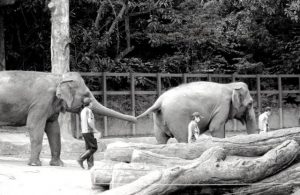 shock us now, would they?
The First Viral YouTube Video (April 23, 2005) – Jawed Karim uploaded “Me at the Zoo,” the very first YouTube video. It’s only 19 seconds long and simply shows him standing in front of elephants. At the time, no one imagined that short homemade videos would reshape entertainment, education, and global culture. Today, billions of videos are uploaded and watched every day, making the platform an essential part of modern life.
These things wouldn’t shock us now, would they? Let us know your thoughts in the comments!