
- Is any reason good enough for you because bringing back historic huge mammals seems, well, crazy.
So what do you think the possible reason is that scientists might bring back the woolly mammoth because it seems more than a little nuts. Would you agree?
-
Restoring Lost Ecosystems
One major reason for bringing back mammoth-like animals is the idea that they could help restore ancient Arctic grasslands. Woolly mammoths once lived in areas called the “mammoth steppe,” where large grazing animals helped shape the environment. Scientists believe similar animals could potentially influence modern Arctic ecosystems.
-
Helping Fight Climate Change
Some researchers think large grazing animals could help maintain colder Arctic landscapes. By disturbing snow and vegetation, mammoth-like animals might influence how much heat the ground absorbs and potentially help protect permafrost, which stores large amounts of carbon.
-
Studying Extinction and Conservation
Creating a mammoth-like animal could teach scientists more about how species adapt, survive, and disappear. The technology developed during the process could also help protect endangered animals from extinction.
-
Saving Endangered Species Using Genetic Technology
The same tools used in attempts to recreate mammoth traits could potentially help endangered species by increasing genetic diversity, improving resistance to diseases, or helping populations recover. Is this a good reason to bring back the woolly mammoth?
-
Understanding Ancient Animals Better
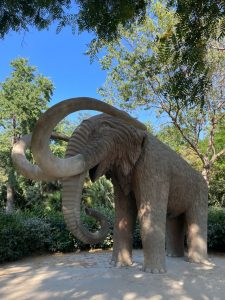
Woolly mammoths lived successfully for thousands of years in harsh environments. Studying their genetics could help scientists understand how animals adapt to extreme cold, limited food supplies, and environmental changes.
-
Advancing Genetic Engineering
Research into mammoth revival pushes the development of technologies like CRISPR gene editing. These tools may have applications in medicine, agriculture, and biology.
-
Learning How Species Adapt to Climate Change
The mammoth’s cold-weather adaptations, such as thick hair and fat storage, could provide insights into how animals respond to changing environments.
-
Restoring Human Connections With Lost Wildlife
Some supporters believe bringing back extinct animals could reconnect people with nature and create more interest in protecting ecosystems. Seeing a mammoth-like creature could inspire future generations to care more about biodiversity.
-
Creating New Scientific Knowledge
Attempting to recreate extinct animals requires research into genetics, reproduction, animal development, and ecosystems. Even if a full mammoth is never created, the discoveries could benefit many scientific fields. Is this a good reason to bring back the woolly mammoth?
-
Preserving Genetic Information Before More Species Disappear
Many species today are threatened by habitat loss, climate change, and human activity. De-extinction research could encourage stronger efforts to preserve DNA and genetic information from endangered animals.
-
Potential Benefits for Arctic Research
Mammoth-like animals could become part of long-term studies examining how large animals interact with northern environments. Researchers could observe whether they influence plants, soil, and other wildlife.
- Cultural
and Educational Value
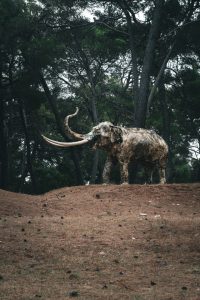
Woolly mammoths have fascinated humans for centuries. Bringing back a mammoth-like animal could provide opportunities for museums, education, and scientific outreach. Is this a good reason to bring back the woolly mammoth?
-
Testing the Limits of Modern Biology
The woolly mammoth project represents one of the most ambitious biological experiments ever attempted. It challenges scientists to answer questions about whether extinction is truly permanent.
-
A Chance to Repair Some Human-Caused Damage
Some supporters argue that humans contributed to the extinction of many species through hunting, habitat changes, and environmental impacts. Restoring lost species could be viewed as a way to repair some ecological damage.
-
Exploring the Future of Conservation
De-extinction raises important questions about what conservation could look like in the future. Instead of only protecting animals that still exist, humans might eventually have tools to restore species that have disappeared.
Are any of these a reasons scientists might bring back the woolly mammoth? Let us know your thoughts in the comments!