
- Because even death traditions are different, depending where you are.
What do you know about odd death traditions around the world? Would you want to use chopsticks to separate bones to place into an urn from a loved ones cremated body?
Japanese funerals follow Buddhist traditions. The deceased is cremated and family members use chopsticks to transfer bone fragments to an urn. Memorial services are held on specific days after death, sometimes continuing for years.
The Malagasy (Madagascar) people periodically exhume ancestors’ remains to rewrap them in fresh clothes and dance with them. This ritual celebrates family continuity and reinforces connections between the living and the dead. Did you know of this as one of the odd death traditions from around the world?
In South Korea, after death, Confucian-based rituals emphasize respect for their ancestors. Memorial ceremonies called “jesa” are performed on death anniversaries and holidays, offering food and drink to honor and maintain bonds with the deceased.
Americans practice vary widely by religion and culture, but typically include embalming, viewing, burial or cremation, and memorial services. Celebrations of life are becoming more popular, focusing on storytelling and personal legacy of loved ones passed on.
Tangihanga is a multi-day New Zealand mourning ceremony held on tribal lands. Including speeches, songs, prayers and communal grieving. They emphasize respect, ancestry, and collective healing.
Traditional WakeIrish at Irish wakes involve gathering with the deceased before burial, often in the family home. Friends and relatives share stories, laughter, food and drinks, honoring the dead through remembrance and communal support rather than silence. Did you know of this as one of the odd death traditions from around the world?
In the Philippines, they have extended mourning for some Filipino communities, lasting 40 days and symbolizing the soul’s journey to the afterlife. Families hold novenas and avoid celebrations, believing the spirit lingers before fully departing.
Tibetan Buddhist tradition in Tibet is when the body is offered to vultures in a sky burial. This practice reflects beliefs in impermanence and compassion, allowing the body to nourish other living beings after the soul has departed.
In parts of Ghana, especially among the Ga people, coffins are shaped like objects representing the deceased’s life. This could be fish, airplanes, or shoes. These elaborate coffins celebrate the person’s identity and social status. Did you know of this as one of the odd death traditions from around the world?
Día de los Muertos happens in Mexico, when death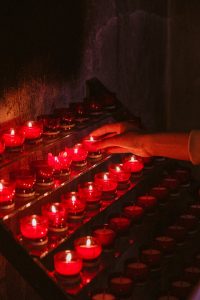 is viewed as a continuation of life rather than an end. Families celebrate by building colorful altars (called ofrendas) with photos, candles, marigolds, and the favorite foods of the deceased, welcoming their spirits back home.
Among the Toraja people, death is a long process. Bodies may be kept at home for months or years and treated as “sick” rather than dead. However, they also embrace funeral ceremonies including animal sacrifices and communal gatherings. Did you know of this as one of the odd death traditions from around the world?
Hindus believe cremation releases the soul from the body. Ashes are often scattered in sacred rivers like the Ganges. Mourning rituals typically last 13 days, when family members perform prayers to help the soul’s journey.
Did you know about all these death traditions from around the world? Tell us what was most interesting to you in the comments.