
- Fires can happen when you least expect them. Make sure to be prepared...
No matter what type of business you own, you should be thinking about fire risks, though some businesses need to take the matter more seriously than others. An uncontrolled fire could easily destroy your building and the property within it, sometimes amounting to hundreds of thousands, or even millions of dollars in damage.
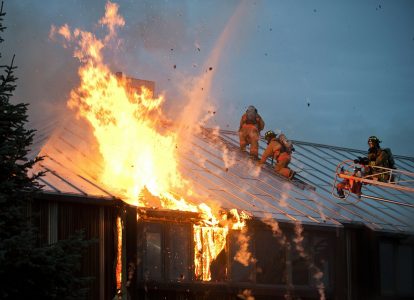
On top of that, if you’re unable to evacuate the building properly when a fire breaks out, it could injure or kill the people occupying it.
Fortunately, even a handful of preparatory measures can drastically reduce your fire risks in a business.
The High-Level View
Overall, you’re going to focus on:
- Identification. The first step of the process is identifying the potential fire risks and unique hazards that threaten your business. The better you understand the possibilities of a fire, and the better you understand your business, the better your response plan is going to be.
- Prevention. Next, you need to focus on prevention. The majority of fires can be prevented with basic safety procedures. If these procedures are followed correctly and consistently, fires should be a non-issue.
- Response management. Even if you’re perfectly cautious, there’s still a risk that a fire could affect your business. Catching a fire early and preventing or mitigating its spread can potentially save your business and everyone in it. Fire suppression systems, fire extinguishers, and fire alarms are your best assets here.
- Insurance. In a worst-case scenario, your insurance policy could reimburse you for whatever damage your business suffers. Just make sure your insurance policy covers damage and destruction due to fire.
Identify Risks
Start by identifying the main fire threats facing your business. What are the most likely ways a fire could start? What types of fires are likely to affect your business? How often does your business work with open flames?
Comply With Local Laws
Understand that certain areas may have laws dictating how businesses must manage their fire safety procedures and installations. For example, you may be required to have a fire exit clearly marked, or you may require a certain number of fire extinguishers. Make sure to research and properly adhere to these laws, in addition to whatever safety precautions you want to take on your own.
Document an Evacuation Plan
How are people going to evacuate the building if it’s filling up with smoke? It’s very important to have a documented plan for employees and customers alike. That typically means establishing multiple emergency exits, providing clear markings and direction to those exits, and ensuring those paths remain clear even when there isn’t a present emergency. Document these plans and train your employees to follow them.
Install Fire Extinguishers and a Fire Suppression System
Include a fire suppression system in your business. If triggered (either automatically or manually), it will activate and immediately deploy fire suppression materials to the area. Typically, instead of water, fire suppression systems use gas, chemical, or foam fire agents to eliminate the fire; this is important, as certain types of fire (like grease fires) may only be aggravated by water. You’ll also want to install smoke detectors and carbon monoxide detectors and test them regularly.
Reduce Fire Hazards
At this point, you’ll be ready to reduce the fire hazards in your business. Some fire hazards will be unpreventable; for example, you can’t remove ovens from the kitchen of your restaurant if you want to keep cooking food. However, you can take measures to reduce the risk factors associated with these hazards.
- Eliminate egregious hazards. Some fire hazards are completely unnecessary for your business and are therefore avoidable. For example, smoking is one of the most common causes of fire, so you can ban smoking on your business’s premises (if you’re not already required by law to do so).
- Document and train employees on proper procedures. For pieces of equipment and other business features that present a fire hazard, make sure to document proper procedures and train your employees how to follow those procedures. For example, you can explain how to monitor the ovens when in use.
- Hire and train responsible supervisors. Employees should be responsible for maintaining safety, but it also pays to have a team of supervisors and managers who can provide a redundant layer of additional safety.
Inspect and Review Regularly
Finally, take the time to inspect your business (and your response plan) regularly. Look for any procedures that aren’t being followed, equipment that isn’t working properly, or new accommodations that need to be made. It also doesn’t hurt to periodically retrain and remind your employees of your safety procedures.
As you can see, it doesn’t take much time or cost much money to practice thorough fire prevention in your business. The more proactive and cautious you are, the lower the possibilities of dealing with this type of disaster.