
- In today's AI-powered world, you need to stand out more than ever...
In today’s digital-first economy, establishing a strong online presence is more complex than simply filling virtual shelves with desirable products. Modern ecommerce brands must cut through fierce competition and ever-changing customer behaviors. Leveraging the expertise of a reputable ecommerce SEO agency and embracing advanced SEO strategies are essential for amplifying online visibility, consistently drawing quality audiences, and creating sustainable revenue pipelines. Successful ecommerce leaders now see SEO not merely as an extension of marketing, but as a foundational element in building resilient, future-proof online businesses.
Understanding the Importance of SEO in Ecommerce
Search Engine Optimization (SEO) is the methodical process of increasing a website’s visibility in search results, with the aim of reaching potential customers as they actively seek out products. For ecommerce companies, prioritizing SEO means that products aren’t just listed—they’re strategically positioned right where buyers are looking. Organic search is responsible for a massive 53% of traffic arriving on ecommerce websites, confirming its status as the most significant digital channel for sustained business growth and sales. Unlike fleeting paid advertising campaigns, SEO produces compounding value, serving up evergreen pathways for shoppers to discover your store long after content is first published. This “always-on” approach to acquiring customers makes SEO an irreplaceable pillar in any winning ecommerce strategy, driving higher return on investment and powering steady, reliable growth.
Optimizing Product Pages for Better Rankings
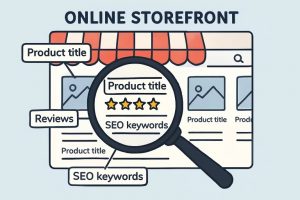
Product pages represent the true engine of every ecommerce store, and their optimization is crucial in influencing both search visibility and the overall buyer journey. Each best-in-class product page should be designed with multiple SEO components in mind:
- Clear and Descriptive Titles: Ensure that product titles are concise, keyword-rich, and directly aligned with the type of language shoppers use when searching. This clarity is vital both for capturing search intents and conveying relevance to search engine algorithms. Titles should avoid jargon and stay focused on accuracy and appeal.
- Detailed Product Descriptions: Elevate your descriptions beyond a simple list of features. Take the opportunity to explain how your product solves specific customer challenges, describe benefits, and address common pain points. Weave target keywords in naturally to maximize discoverability, while ensuring your writing remains helpful and engaging.
- High-Quality Images: Photographic quality can make or break a customer’s trust in your products. Provide multiple angles, zoom functions, and lifestyle images that demonstrate real-world use. Professional, high-resolution images not only enhance the user experience but increase sharing potential and credibility—a direct boost to SEO.
- Customer Reviews: Featuring recent, honest reviews enhances transparency and supplies fresh, user-generated content to your product pages. This signals value and activity to search engines, encouraging higher crawl rates and improved rankings.
Meticulous attention to these page elements leads to deeper buyer engagement, increased session duration, and higher conversion rates—all indicators that search engines monitor and reward with elevated placement in search results.
Leveraging AI for Enhanced SEO Performance
Artificial Intelligence is rapidly revolutionizing the way ecommerce businesses approach SEO by streamlining processes and shining a light on new opportunities. Today’s AI-powered SEO tools can drastically enhance efficiency by automating everything from keyword analysis to on-page optimization. Some of the most transformative applications of AI include:
- Keyword Research: AI tools quickly sift through vast numbers of search queries to identify the most lucrative keywords for your niche, as well as spot trending phrases and forecast future search patterns. This empowers stores to stay ahead of their competition by adapting to new keyword opportunities, fast.
- Content Optimization: Algorithms review and evaluate the quality, structure, and relevance of site content, delivering highly-targeted recommendations for keyword density, structure, and semantic vocabulary. This ensures content remains both search engine-friendly and compelling to human readers.
- Personalization: AI enables ecommerce sites to dynamically tailor recommendations and content based on customer browsing history and behavior, creating highly relevant shopping experiences that drive increased conversions and support ongoing SEO performance.
By strategically incorporating AI, businesses can eliminate guesswork, optimize faster, and consistently act on up-to-date, actionable insights that keep them at the forefront of evolving shopper behavior.
Staying Updated with SEO Trends
In the rapidly-shifting landscape of search, maintaining a competitive edge means staying current with the latest SEO best practices. Ecommerce brands must be agile in adopting new strategies to prevent falling behind. Noteworthy trends currently shaping the future of ecommerce SEO include:
- Voice Search Optimization: With smart speakers and mobile voice assistants becoming commonplace, optimizing for spoken, conversational search queries is opening up new channels of discovery. This requires a focus on long-tail keywords and natural language.
- Mobile-First Indexing: As mobile shopping eclipses desktop, Google now prioritizes the mobile version of your website for crawling and ranking. Ensuring your site is quick, responsive, and easy to navigate on all devices is no longer optional—it’s a requirement for ranking success.
- Video Content: Videos not only captivate audiences but also increase time spent on your site, reduce bounce rates, and showcase products in a highly engaging format. Search engines reward this higher engagement with improved rankings, while buyers appreciate seeing products in action.
By tapping into these trends and integrating them into your broader strategy, you future-proof your SEO initiatives, maximize your visibility, and consistently outpace competitors.
Building a Strong Backlink Profile
Backlinks—the links from external, authoritative websites to your own—act as crucial votes of credibility in the eyes of search engines. For ecommerce sites, a diverse and reputable backlink profile amplifies your chances of being ranked highly for important product and category keywords. Some established backlink-building approaches include:
- Guest Blogging: Writing informative, value-driven guest posts for other reputable sites in your niche lets you share expertise, attract a wider audience, and earn high-quality backlinks in the process.
- Creating Shareable Content: Producing research reports, how-to guides, or visually compelling infographics encourages other publishers and journalists to cite your work, naturally growing your backlink network.
- Engaging with Influencers: Partnering with prominent digital influencers in your sector helps spread the word and positions your store in front of new audiences, often accompanied by valuable links from well-regarded sources.
When executed strategically, these efforts drive up your store’s domain authority and position your site for long-term search ranking strength and sustained visibility.
Enhancing User Experience (UX) for SEO
Search engines now place significant emphasis on user experience (UX) when ranking ecommerce websites. Positive UX signals—such as low bounce rates, long session durations, and high conversion metrics—tell search algorithms that your site truly meets customer needs, justifying higher rankings. To excel at UX, focus on:
- Site Speed: Fast load times are critical: even a brief delay can drive potential buyers elsewhere. Optimize image sizes, streamline code, and utilize Content Delivery Networks (CDNs) to ensure the seamless performance modern shoppers expect.
- Easy Navigation: Make it effortless for users to browse, sort, and filter product categories. Clear menus, logical site architecture, and prominent calls-to-action smooth the shopping journey and reduce frustration.
- Mobile Responsiveness: With the ongoing surge of mobile traffic, offering a consistent user experience, whether on a desktop, smartphone, or tablet, is essential. Responsive design adapts content layout and functionality to every device, creating a frictionless path to purchase.
Websites built around seamless user experience not only see improved rankings but also benefit from higher engagement, improved retention, and increased conversion rates.
Utilizing Data Analytics to Inform SEO Strategies
Powerful analytics tools offer ecommerce brands unparalleled transparency into how SEO strategies are performing and where untapped opportunities lie. By harnessing these tools, businesses can make informed, evidence-driven decisions that result in better outcomes. Key areas to track include:
- Traffic Sources: Identify which referrers, campaigns, or organic keywords generate the most visitors. This makes it easy to reallocate resources to top-performing channels and quickly spot areas needing attention.
- Conversion Rates: Assess which site paths, product pages, or traffic segments convert visitors into buyers most effectively. Use this intelligence to optimize your sales funnel and eliminate bottlenecks.
- Bounce Rates: Pinpoint problematic pages where users exit after minimal interaction. A high bounce rate often signals usability issues, slow loading, or irrelevant content—surfaces prime for targeted improvements.
Consistent, data-guided review ensures your SEO investments focus on initiatives proven to drive growth, maximize ROI, and beat the competition.
Conclusion
Smart, modern SEO is no longer an optional enhancement—it’s a necessity for any ecommerce store aiming to thrive in today’s competitive environment. Ecommerce brands that prioritize optimizing their product pages, integrating AI-driven efficiencies, staying ahead of search engine trends, cultivating strong backlinks, enhancing UX, and utilizing analytical insights are best positioned for steady growth, greater online visibility, and sustained customer loyalty. For ambitious businesses ready to elevate performance, collaborating with an expert ecommerce SEO agency can provide the strategies and expertise needed to transform a digital storefront into a dynamic industry leader.