
- Because sometimes you have to "keep on truckin'..."
The global supply chain is an intricate network of manufacturers, suppliers, distributors, retailers and transportation providers working in sync to deliver goods to end consumers. To operate efficiently at scale, supply chains must be underpinned by optimized logistics infrastructure and strategies. One critical transportation solution that enables modern supply chain productivity is full truckload (FTL) shipping.
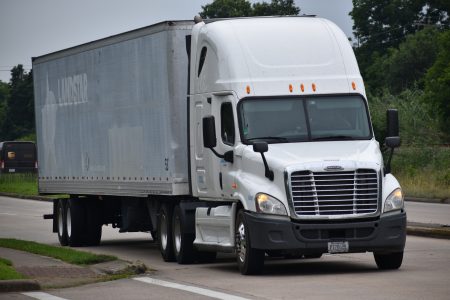
FTL trucking services specialize in transporting large volumes of freight rapidly and directly across the supply chain. They offer shippers entire 53-foot semi-trailers to transport bulk shipments weighing over 10,000 pounds between facilities or distribution centers. This contrasts with less-than-truckload (LTL) carriers that consolidate partial loads from multiple shippers in a single trailer.
For companies managing complex logistics, FTL trucking delivers unique benefits that boost overall supply chain execution and business performance. The expedited transit times, flexible capacity, simplified processes and enhanced visibility offered by FTL providers allow shippers to improve agility, mitigate costs and risks, uphold customer service levels, and drive sustainability. As the supply chain landscape evolves, FTL transportation is becoming an increasingly critical element of optimized logistics strategies for manufacturers, distributors and retailers across industries.
What is FTL Trucking?
FTL stands for full truckload and refers to a shipment that fully occupies an entire 53-foot semi-trailer or other large truck. FTL shipments usually weigh over 10,000 pounds and require a full-size trailer to transport directly from the origin to the final destination without stops. This differs from LTL (less than truckload) shipping, where partial loads from multiple shippers are consolidated to fill a trailer. FTL trucking companies specialize in transporting high-volume, bulk freight shipments rapidly and efficiently between shipper facilities, distribution centers, retail locations or other direct points in the supply chain.
Speed and Reliability
FTL shipping ensures expedited transit times by transporting freight at optimal speeds with no extra stops, loading/unloading of partial shipments or breakdowns. This reliability enables companies to uphold just-in-time practices critical for efficiency. FTL providers also offer shipment tracking and monitoring for added visibility.
Scalability and Responsiveness
The flexible networks and vast transportation assets of FTL carriers allow them to readily scale capacity up or down to align with customer demand. FTLs provide shippers the agility to reroute shipments and reallocate trucks to meet real-time supply chain needs. This boosts operational responsiveness.
Simplified Processes
FTL trucking streamlines processes through minimal freight handling, direct transportation, and a single point of contact. Administrative tasks like consolidation, rate negotiations, claims handling, and appointment scheduling are reduced. Loading and unloading are expedited with full trailers moving in and out.
Damage Reduction
With no extra freight handling or storage transfers, FTL minimizes product breakage, spoilage and loss compared to LTL networks. Shippers also avoid costs related to inventory write-downs, processing claims, and managing customer disputes. This reduces waste.
Cost Efficiencies
While FTL has higher base freight rates than LTL, it provides shippers greater cost savings and efficiency gains related to reduced cargo damage/loss, lower administrative overhead, expedited transit times, optimized trailer utilization, just-in-time inventory management, and stronger supplier relationships.
Better Data Insights
Quality FTL providers supply GPS tracking and real-time sensor data on shipments that supply chain teams can analyze to identify logistics improvements and cost savings. The data enhances visibility for more informed decision-making.
These key benefits demonstrate how properly leveraged FTL trucking enhances supply chain productivity, flexibility, visibility and cost-effectiveness. Companies that integrate FTL services as part of an optimized distribution strategy gain significant logistics advantages over competitors. The efficiencies of FTL transportation deliver strategic value across industries.