
- Do you think you know all the bizarre jobs on this list?
Do you know about the kind of bizarre jobs that people had in history? From leeches to taste testers, some of these are a little wild.
Groom of the Stool — England
The Groom of the Stool attended to the personal toilet needs of the English monarch. Despite the unpleasant-sounding duties, the position could become extraordinarily powerful because the groom had intimate access to the king and could become a trusted political adviser.
Knocker-Up — Britain, Industrial Era
Before reliable alarm clocks became widespread, professional “knocker-ups” woke workers by tapping on their windows with long poles. Some used pea shooters to fire dried peas at upper-floor windows. Have you ever heard of this as one of the bizarre jobs?
Leech Collector — Britain and Europe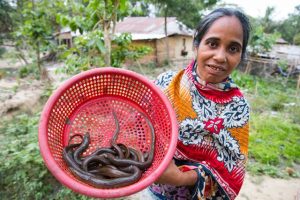
People gathered medicinal leeches for doctors. Collectors sometimes entered ponds and allowed leeches to attach to their legs. Leeches were then sold to medical practitioners for bloodletting.
Resurrectionist — Britain, 18th–19th Centuries
“Resurrectionists” were people who illegally dug up recently buried bodies and sold them to medical schools. Growing demand for cadavers for anatomical study created a profitable underground trade.
Rat Catcher — Europe
Professional rat catchers captured rodents in cities, farms and warehouses. Their work was important before modern pest-control systems. Some developed elaborate techniques and kept trained dogs specifically for catching rats. Have you ever heard of this as one of the bizarre jobs?
Royal Food Taster
Some rulers employed people whose job was to sample food and drink before the monarch consumed it. The purpose was to detect possible poisoning. The position sounds bizarre, but poisoning was a genuine political concern in many courts.
Fuller — Medieval and Early Modern Textile Worker
Fullers cleaned and thickened woolen cloth. The process could involve standing in vats containing water and substances such as urine or clay. The work was dirty but essential to textile production.
Human Alarm Clock
In industrial Britain and Ireland, people were paid to wake workers at predetermined times. Their clients might be miners, factory workers or other laborers who needed to report for extremely early shifts. Have you ever heard of this as one of the bizarre jobs?
Ornatrix — Ancient Rome
An ornatrix was a female hairdresser or hair stylist, often enslaved, who prepared hairstyles for wealthy Roman women. Duties included arranging elaborate hair, wigs and cosmetic preparations.
Toshers — Victorian London
“Toshers” searched London’s sewers for valuable objects washed underground. They navigated filthy and dangerous tunnels hoping to recover coins, metal and other items that could be sold.
Mudlarks — London
udlarks searched the exposed mud along the River Thames for objects that could be sold. Today, licensed mudlarking is primarily archaeological and recreational rather than an occupation. Have you ever heard of this as one of the bizarre jobs?
Human Guinea Pig
Medical researchers have long used paid volunteers in experiments. Before modern ethical standards, however, experimental subjects sometimes faced significant risks with limited understanding of those risks.
What do you think of these bizarre jobs people had in history? Tell us if there was one missing from the list in the comments!