
- Unless you know, you definitely don't know. (And you don't have to care, but you should be aware.)
Do you know about the most toxic products? There are alternatives for everything and the more you know, the more you can make these choices for yourself and your family.
- Concentrated laundry detergent pods remain hazardous, especially for
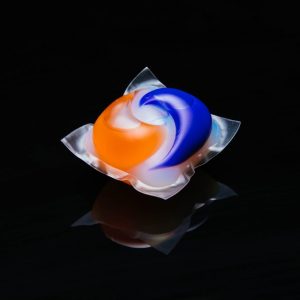 children. Their colorful appearance can lead to accidental ingestion, causing poisoning, breathing problems, and chemical burns.
 - Certain industrial-strength adhesives and glues release volatile organic compounds that may irritate the lungs and affect the central nervous system with prolonged exposure.
- Weed killers and herbicides remain controversial because some formulations have faced lawsuits and scientific debate regarding possible cancer risks after heavy long-term exposure.
- Certain paint strippers still contain toxic solvents that may damage the nervous system, lungs, liver, and kidneys after heavy exposure in poorly ventilated spaces.
- Automotive antifreeze remains dangerous because many formulas contain ethylene glycol, a sweet-tasting chemical that can cause fatal kidney failure if ingested. Do you think this is one of the most toxic products around today?
- Solvent-based paints and thinners can produce dangerous fumes that affect the brain and nervous system in enclosed or poorly ventilated areas.
- Oven cleaners often contain strong alkaline chemicals capable of causing serious skin injuries and respiratory irritation if sprayed in enclosed areas.
- Some waterproofing sprays and stain repellents contain fluorinated chemicals that persist in the environment and may accumulate in human tissues over time.
- Some counterfeit or unregulated supplements sold online have contained hidden pharmaceutical ingredients, stimulants, or contaminated compounds not listed on labels.
- Air fresheners and scented sprays may release volatile compounds that contribute to indoor air pollution and trigger headaches or respiratory irritation in sensitive individuals.
- Some cheap imported toys and plastics have periodically tested positive for lead, phthalates, or other potentially harmful chemicals despite safety regulations. Do you think this is one of the most toxic products around today?
- Some drain cleaners contain highly corrosive chemicals such as sodium hydroxide or sulfuric acid that can cause severe burns, blindness, and dangerous fumes if mixed improperly.
- Pool chemicals require careful storage because chlorine compounds can react violently with moisture, heat, or incompatible substances.
- Nail salon chemicals such as formaldehyde-based hardeners and strong solvents may pose long-term respiratory and skin risks for workers with constant exposure.
- Synthetic fragrance mixtures in personal care products sometimes contain chemicals that manufacturers are not required to disclose individually under fragrance labeling rules.
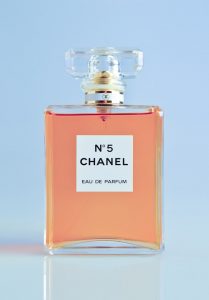
- Strong disinfectants became more common in households after major public health scares, but overuse may increase risks of accidental poisoning and respiratory irritation.
- Some imported cosmetics and skin-lightening products have been found to contain unsafe levels of mercury, lead, or other heavy metals.
- Certain batteries, especially damaged lithium-ion batteries, can overheat, ignite, or release toxic fumes during fires or punctures.
- Some cleaning product combinations are more dangerous than the products themselves. Mixing bleach with ammonia can create toxic chloramine gases that damage the lungs. Do you think this is one of the most toxic products around today?
- Permanent hair dyes and chemical straightening products may expose users and salon workers to repeated contact with harsh chemicals linked to irritation and possible long-term health concerns.
- Pressurized aerosol products can become dangerous when exposed to heat or flames, potentially exploding or releasing toxic smoke during fires.
- Certain imported ceramics and cookware glazes have occasionally contained unsafe levels of lead that can leach into food and beverages.
- Rodent poisons are designed to kill mammals and can severely harm pets, wildlife, or children if accidentally consumed. Do you think this is one of the most toxic products around today?
- Household products are not always dangerous when used correctly, but improper storage, mixing, ventilation, or overexposure often creates the greatest risks for consumers.
- Certain furniture and foam products may release flame-retardant chemicals
 into indoor dust over time, leading to ongoing exposure concerns.
 - Some nonstick cookware products may release harmful fumes if overheated to extreme temperatures, particularly older coatings damaged by scratches or improper use.
- Pesticides and insect killers sold for home use can contain chemicals harmful to pets, aquatic life, and humans when inhaled or absorbed through the skin.
- E-cigarette liquids containing nicotine are highly toxic in concentrated form. Even small amounts swallowed by children or pets can cause serious poisoning.
What do you think of this list of the most toxic products? Tell us about others or something that surprised you in the comments!