
- Would you ever try any of these odd restaurants from around the world?
Do you think you know all these odd restaurant foods? Which of them have you tried?
- From Italy comes Casu marzu, a cheese containing live larvae that help break down fats, making it extra soft and intense in flavor.
- Vietnam serves snake wine, with whole snakes infused in alcohol, sometimes displayed dramatically in bottles.
- In Vietnam, some restaurants offer snake wine, where an entire snake is infused in alcohol, believed by some to have medicinal properties. Is this one of the most odd restaurant foods?
- In Greenland, there’s kiviak, where seabirds are fermented inside a seal skin for months before being eaten.
- In China, century eggs are preserved for weeks or months, transforming into a dark, jelly-like delicacy with a strong aroma.
- In parts of Mexico, you can order chapulines, which are roasted grasshoppers seasoned with lime and chili and often served in tacos or as a crunchy snack.
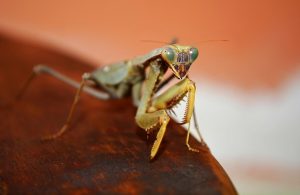
- In Italy, specifically Sardinia, there’s Casu marzu, a cheese intentionally infested with live insect larvae. Yes, it’s eaten with the maggots still inside.
- South Korea offers sannakji, where freshly cut octopus pieces still move due to nerve activity, requiring careful chewing. Is this one of the most odd restaurant foods?
- In Mexico, chapulines (grasshoppers) are toasted and seasoned, offering a crunchy texture and nutty flavor.
- In Turkey, kokoreç, grilled lamb intestines wrapped around seasoned offal, is a popular street food and restaurant item.
- Australia includes witchetty grubs, often eaten raw or lightly cooked, tasting somewhat like almonds.
- Thailand features fried insects like crickets and silkworms, often compared to crunchy chips.
- In Sweden, surströmming is fermented herring known for its extremely strong odor, often opened outdoors to avoid the smell indoors.
- In Australia, you can try witchetty grubs, large insect larvae traditionally eaten by Indigenous Australians.
- In Spain, some menus include percebes (goose barnacles), which look unusual but are considered a seafood delicacy.
- Greenland offers kiviak, where birds ferment inside a seal skin for months, traditionally eaten in winter. Is this one of the most odd restaurant foods?
- Over in Japan, adventurous diners try shirako, which is fish sperm, usually from cod, served raw or lightly cooked. It’s prized for its creamy texture.
- In the Philippines, balut is a fertilized duck egg with a partially developed embryo. It’s often eaten with salt or vinegar and considered a high-protein snack.
- Some restaurants in China serve century eggs, preserved eggs that turn dark green or black and develop a strong flavor and jelly-like texture.
- In France, escargot (snails) are cooked with garlic butter and parsley, turning a garden pest into a gourmet dish.
- In Peru, cuy (guinea pig) is roasted whole and has been eaten since Incan times.
- In Peru, guinea pig—called cuy—is a traditional dish, typically roasted whole and served with potatoes.
- In Spain, percebes (goose barnacles) are hand-harvested from dangerous coastal rocks, making them rare and expensive.
- In South Korea, there’s sannakji, which is live octopus cut into pieces and served immediately, sometimes still moving on the plate. Is this one of the most odd restaurant foods?
- In Thailand, fried insects like crickets and mealworms are sold as snacks and sometimes plated in restaurants.
- In France, escargot (snails) are a delicacy, usually cooked in garlic butter and served in their shells.
- In Scotland, haggis,made from sheep’s organs mixed with oats and spices, is a traditional dish often served during Burns Night.
- In Cambodia, fried tarantulas are sold in markets and sometimes plated in restaurants, offering a crispy exterior and soft inside.
- In Japan, shirako (fish sperm) is valued for its soft, creamy texture and mild taste, often served in upscale restaurants.
- Indonesia is known for durian, a fruit with such a strong smell it’s banned in some hotels and transport systems.
- In USA, you can find Rocky Mountain oysters—despite the name, they’re actually deep-fried bull testicles, often served with dipping sauce.
- In Turkey, kokoreç consists of seasoned lamb intestines grilled and chopped into sandwiches. Is this one of the most odd restaurant foods?
- In Indonesia, you might encounter dishes made with durian, a fruit so pungent it’s banned in some public spaces but widely used in desserts.
- In Scotland, haggis, made from sheep organs, is traditionally served during Burns Night and celebrated as a national dish.
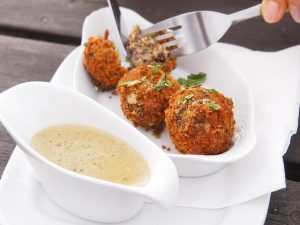
- One of the most infamous is fermented shark, known as Hákarl, served in Iceland. It’s buried and fermented for months, developing a strong ammonia smell that many compare to cleaning products.
- In Philippines, you can find balut, a fertilized duck egg with a partially developed embryo inside. It’s commonly sold by street vendors and even some sit-down restaurants. Is this one of the most odd restaurant foods?
- One of the most infamous is fermented shark, known as Hákarl, served in Iceland. It’s buried underground to rot slightly before being dried, giving it a strong ammonia smell.
- In the USA, Rocky Mountain oysters are deep-fried bull testicles, often served at festivals and specialty restaurants.
Do you have anything to add to this list of odd restaurant foods? Add them to the comments so we can all learn something new!