
- If you’re hankering for Scandinavian delicacies, try some crisp rye bread with gravlax instead.
Do you still have your Christmas tree up in your living room? If so, we’re sorry, but it’s high time you got rid of it.
That said, it’s kind of a waste to throw a nice tree away. We’re not the only ones thinking that, and recycling Christmas trees in various ways has become something of a trend.
Belgium’s Federal Food Agency (FASFC), however, has needed to step in to put a stop to a potentially fatal recycling method. Specifically, the agency asked people not to eat their Christmas trees.
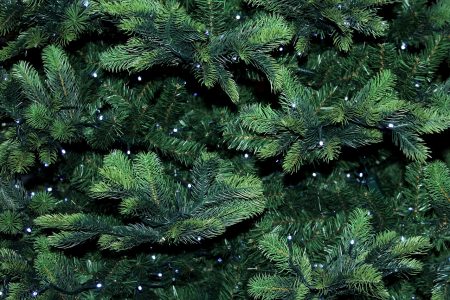
Behind the bizarre public health advisory was a blog post put out by the city of Ghent. In it, the city council detailed various ways to reduce holiday waste, including making dishes out of Christmas tree needles.
Now, that’s fine if your tree came from a natural forest. Most people’s trees come from Christmas tree farms, however, and the FASFC noted they may be treated with all manners of toxic chemicals.
And that’s without mentioning trees made of yew, which is naturally—and potentially fatally—poisonous.
Look, we’re sure the city council had perfectly good intentions. But maybe it’s best in general that you don’t eat your Christmas decorations (maybe discounting gingerbread figures).
(Alleged) Old Scandinavian Tradition
This strange episode started with a blog post published by the Ghent City Council. In it, the local authority encourages Ghent residents to cut back on post-holiday food and material waste in various ways.
Some of the tips are perfectly normal. Among them are hosting a post-Christmas Christmas party for your friends to empty a full fridge and pickling raw, unused vegetables.
You know, that’s actually pretty sound advice. And then you get to the part about the Christmas tree.
Perhaps you’d imagine the council would have encouraged people to use the tree as firewood or crafts material. But nope — they told you to eat it, as (according to the Ghent council) is the tradition in Scandinavia.
“In Scandinavia, pine needles have been used in culinary dishes for a long time,” the Ghent council writes. “Pick the needles from branches, dip them briefly in boiling water, and dry them on a cloth.”
After boiling and drying the needles, the council said you can mix them into butter or soups as you would any dried spice. They did give you one warning, though — don’t eat yew trees as they can be deadly poisonous.
That’s One Toxic Tree
The Ghent council’s advice isn’t completely unfounded. There indeed are traditional Scandinavian recipes that make use of fresh, young spruce and pine needle bunches.
The councilors just forgot one thing. Most people’s Christmas trees didn’t originate from pristine, pre-industrial Scandinavian woods.
And that’s when the FASFC had to come in with a “Uhm, actually…”
The food agency recently published a public advisory telling people not to actually eat their Christmas trees. That’s because they typically come from Christmas tree farms, and who knows what the farmer has sprayed them with.
“Trees are treated with pesticides to prevent pests like mealybugs, but there are no regulations regarding pesticide residues on ornamental plants,” FASFC spokeswoman Liesbeth Van de Voorde told the Belga news agency.
“Since no standards exist for these plants in relation to human consumption, the FASFC does not carry out any analyses on Christmas trees,” she added.
Now, it’s not like Christmas tree farmers completely drench their trees in pesticides. However, they may use more poison or a type of chemical that’s not approved for use on edible plants.
And then there’s the fact that the trees may get sprayed with other stuff after leaving the farm. One common treatment is dousing the trees in flame retardant.
While that’s great for the safety of your home, you really, really shouldn’t eat that stuff.
How to Actually Recycle a Christmas Tree
With all that said, if you know your tree came from the middle of a forest far away from pollution and civilization, feel free to try making some needle butter. But if you don’t want to eat your tree, there are other ways to recycle them.
Most counties (at least in the U.S.) have a public post-Christmas tree drop-off location. That’s the easiest way to put your tree to good use — just leave it there and the local authority will put it to good use.
There are other options as well. You could chop the tree up and use its wood to make crafts, for instance.
Alternatively, if you have a garden, you can run the tree through a wood chipper to mulch it. Those lucky enough to have a private fish pond could sink the tree into the water to provide a refuge and hiding place for small fish.
Whatever you do, though, you shouldn’t burn your commercially purchased Christmas tree. That’s again due to the pesticides and chemicals — they’re not good for you when eaten, and they’re certainly not any better if you inhale them as toxic smoke.