
- Because who doesn't love pizza and what's better than a cold frozen pie turned delicious in less than 30 minutes?
When it comes to frozen pizza, what’s your go-to? Here’s to the start of pizza in frozen form and where it’s gotten us to!
Before frozen pizza, there was hard flatbread doused with oil and scraps. And that has been around forever.
Modern pizza with cheese and tomatoes didn’t come around until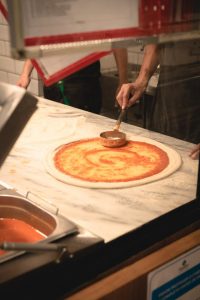 the early 18th century in Italy. These warm and fresh tomato pizzas were an instant hit with the working class with Neapolitans, the ones who created them.
Pizza was a regionally delicacy for decades until Italians immigrated to America in 1880. Gennaro Lombardi opened the first pizzeria in 1905 called Lombardi’s. It started as a grocery store but one day an employee Antonio Totonno Pero suggested they sell fresh pizzas. The five cent pizzas were so popular, so fast, that Lombardi swapped his grocery license and pizza places started opening all over the east coast. Not quite frozen pizza but it’s on the way!
Old Lombardi’s employees began opened these pizzerias. Not all Americans experienced the first wave of Italian pizzas unless you lived in one of the five New York boroughs. Other than that, you were probably eating pickled vegetables, grains and gamey meat, if you were lucky.
In 1928 two general motors engineers changed home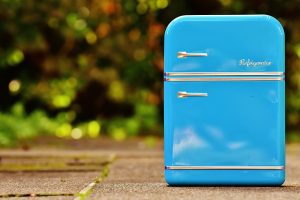 refrigeration forever with the invention of freon. This introduced the refrigerator/freezer combo to the home market.
In June 1950, The New York Times published an article about mom and pop pizzeria’s, specifically a Boston pizzeria place, that was selling pre-made and ready-to-cook pizzas. All you had to do was bake the pizza at home and dinner was ready.
The first US patent was filed by J Bucci for the frozen pizza. After that, small regional pizza brands began popping up all over. Jack Deluca was one of the first to master Bucci’s technique , selling $20,000 a month in 1952 or over $223,000 a month, in todays economy.
Rose and Jim Totino changed the pizza game. Their pizza place, Totino’s was getting orders for over 500 pizzas a day, so they built a large frozen pizza plant in 1962. Their competition could pump out a couple hundred pies on a good day, while Totino’s was producing hundreds of pizza pies an hour.
Fun Fact: Pizzaiolo is the Italian for a pizza chef.
In 1975, after 13 years of leading pizza sales, Totino’s sold their company to Pillsbury for $22 million, making Pillsbury the instant leader in frozen pizza. But others came up fast, including Schwann Food Company, who bought Tony’s frozen pizza in 1970 and Red Barons in 1975. Kraft bought Tombstone, which was the third most popular pizza in the country at the time.
Pizza companies were using imitation cheese, and the Wisconsin Cheesemakers Association tried to force the USDA to set regulations of the amount of real cheese on a pizza, so they could cash in on the pies as well. A frozen pizza only needed to be 12% real cheese, at the time. More cheese equals a higher cost and eventually they settled for more of the fake cheese for frozen pizzas. (And presently there is no regulation on how much real cheese needs to be on frozen pizzas, meaning manufacturers get to decide.)
Frozen pizza sales were stagnating in the 60s and 70s with all the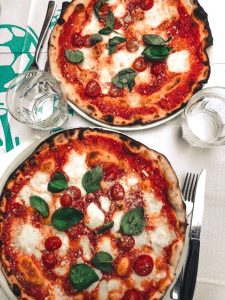 brands containing dough, sauce cheese and meat and vegetable toppings.
That all changed in the 80s, thanks to Stouffers and their French bread pizza. Their new frozen “pizza” was first invented by one of their employees after a night of drinking and the munchies.
1983 was the year that Hot Pockets were released, kind of like a calzone. The trick was the packaging sleeve that created a flaky crust after being thrown into the microwave. A couple years later in 1985 Bagel Bites came out and Tony Hawk became a spokesperson. Bagel Bites became the top selling frozen pizza product among kids under 16.
In 1995, Kraft reinvented the game with Digiorno frozen pizza and its rising crust. The company used the name Digiorno to make it sound like it has Italian roots. And sales of Diogiorno pizza still accounts for over half of frozen pizza sales to this day.
Did you know any of the history of frozen pizza? Let me know in the comments!