
1A wrist bracelet zaps you with 340 volts
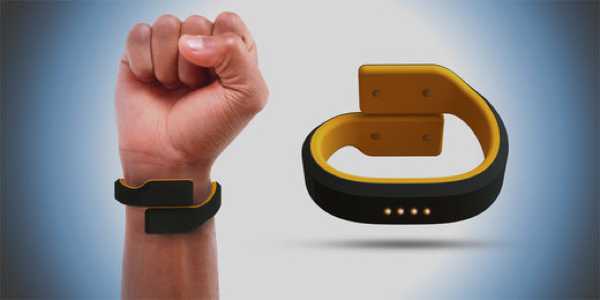
The latest breakthrough in self-help gives you a zap every time you do something you shouldn't. Called the Pavlok (after the scientist Ivan Pavlov, who conditioned dogs to drool) the manufacturers claim their device monitors you in real-time, administering a volt of up to 340 volts every time you do something like smoke, bite your nails, or secretly snack. The makers of Pavlok claim after you can shock yourself to a better you in just five days.
2VR to treat depression
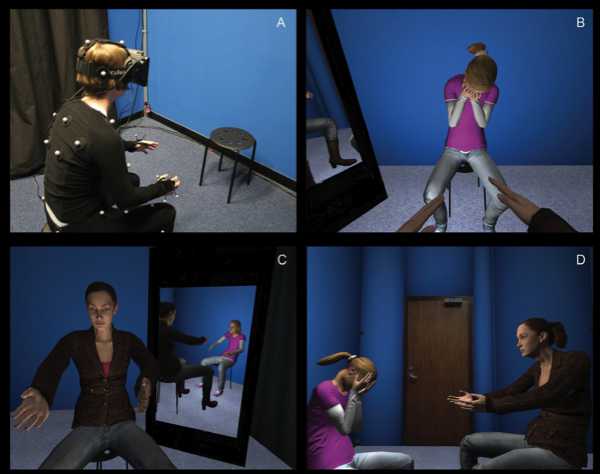
VR (or Virtual Reality), the latest craze in entertainment, is now crossing over into actually being useful. Dr. Caroline Falconer, a postdoctoral research associate in clinical, educational and health psychology at University College London, is part of an experiment using VR headsets to treat depression. Users enter a virtual environment and then interact with an avatar of a distressed child. Next, they see the same event from the child's POV. Other types of therapy that show promise with VR are PTSD and treating phobias.
3A pill that cures “mild alcoholism"

Alcoholism is an affliction that kills 2 million people around the world every year. If only there were a pill you could take to cure it. Well, believe it or not, such a pill exists, but it's not without controversy. In 2013, the new NHS guidelines allowed doctors to prescribe nalmefene, which has been shown in studies to curb cravings for alcohol in mild alcoholics and reduce their number of heavy drinking days by two-thirds. However, others worry about enabling the abuser and say there are safer methods to quit drinking.
4A wearable masturbation device that charges batteries
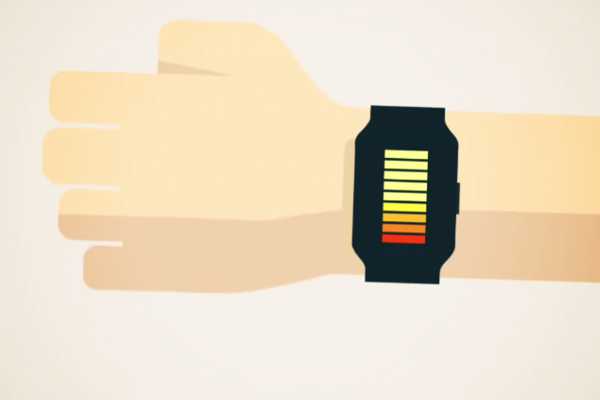
This handy device isn't going to stop you from masturbating (since we know that's impossible anyway). Instead, it has the potential to let you charge up every time you jerk off. It's called the Wankband. It's a wristband that stores kinetic energy when it's moved up and down in a vigourous fashion. Once you've created your “dirty” energy, you can plug in your device and juice it back up. Right now it's in “be(a)ta” testing, and its makers say they are looking for a few good "wankers" to join them.
5Man places cage on head to stop smoking

Ibrahim Yücel lives in Turkey and came up with a decidedly low-tech way to control his 26-year, 2-pack-a-day smoking habit—he started wearing a cage over his head.
Yücel's father died of lung cancer, and, in 2013, he tried his latest, greatest attempt not to die of the same fate. Every morning, he puts on a copper birdcage-like helmet, leaves the only two keys with his wife and daughter, and walks through his small town to work. At first, people laughed, but after two days, they realized his determination and hoped it would finally work. (No word on its success or failure.)
6A bite counter to help stop overeating
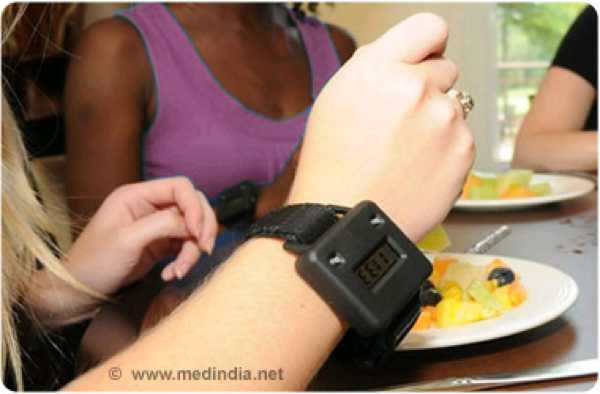
It's like a Fitbit for your mouth, but instead of counting steps, it counts bites. This device is being developed by researchers at Clemson University in South Carolina and is designed to track the wrist roll that occurs when consuming food. The wearer must start and stop the device before and after eating. It sets off an alarm when they are near the allotted number of bites, which they say can be equated to calories consumed. Right now, the Bite Counter looks more like a 1980s calculator watch, but it has a 90% accuracy rate and scientists are hoping it will get smaller and even more precise over time.
7A fart silencer to keep the noise down

A Chinese inventor that calls himself Big Chicken Mushroom has created a tool to help the loudly flatulent control the noise. It's a plastic tube he calls a Fart Silencer that you put into your butt just before you're about to rip a big one. Like a silencer on a gun, the small holes on the side are said to diffuse the "fwwwapppp"! For odor control, he suggests sticking a cotton ball with perfume inside. You can watch him demonstrate (by blowing through the tube) below:
8An oral device to stop Tourette's Syndrome
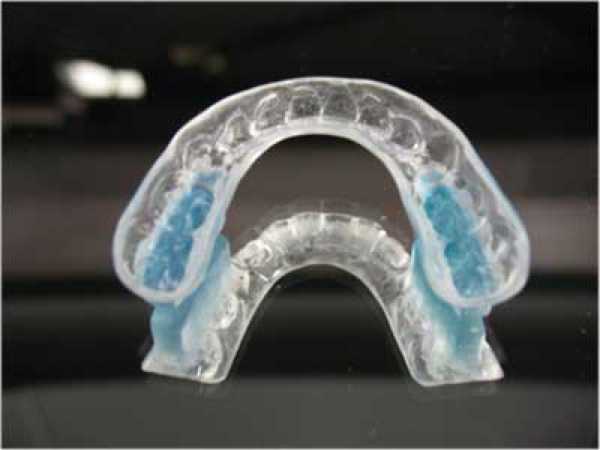
Tourette's Syndrome is an incurable condition that affects 200,000 people per year and causes them to be unable to control vocal outbursts or physical tics. But a new line of research conducted by Timothy L. Hottel at the University of Tennessee suggests that these tics are not a neurological or psychological disorder, but a “structural reflex disorder” that could be cured or controlled with an oral appliance called the TicTocStop that may repress the urges. A small pilot study of 65 patients has been conducted and shows promise with some individuals.
9Anti-drunk texting apps
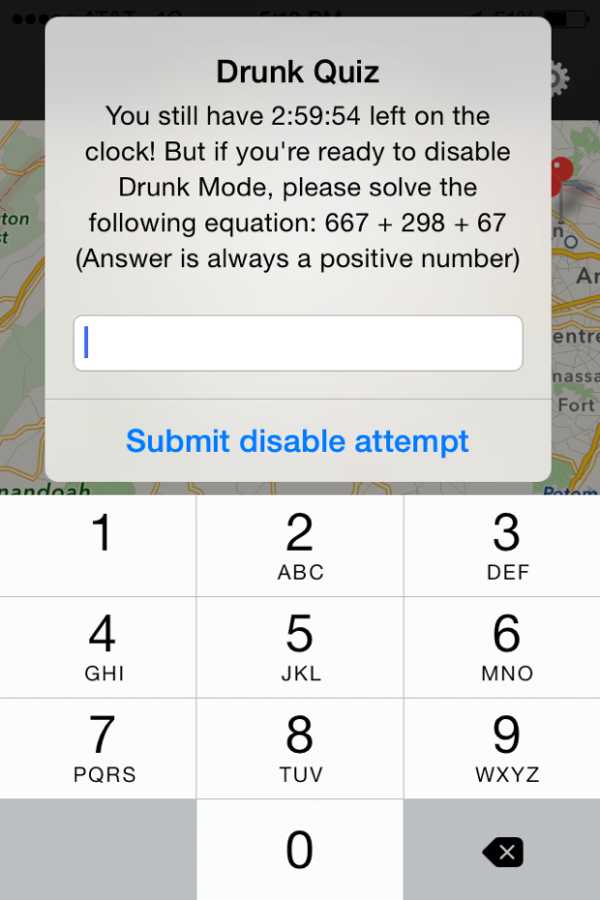
A smartphone and a few drinks can be a dangerous combination and has often resulted in “drunk texting” (also drunk dialing, drunk Facebooking, etc.). A few nifty entrepreneurs have helped people save them from their inebriated selves by creating apps that lock them out when they've had too much. Drunk Lock for Android makes you solve a math program to prove you are sober, and Drunk Mode for iPhone hides specified contacts and also has “breadcrumbs” that can help you track where you were the night before.