
- Some of these crops you can eat. Others will try to eat you.
Old McDonald had a farm, E-I-E-I-O. And on that farm he grew…
Something completely bizarre.
Not every farm in the world grows cattle, corn, or wheat. Some farms are focused on entirely different crops — including corpses.
Here are nine examples of the most mind-bogglingly strange farms in the world.
9. Antarctic Farm
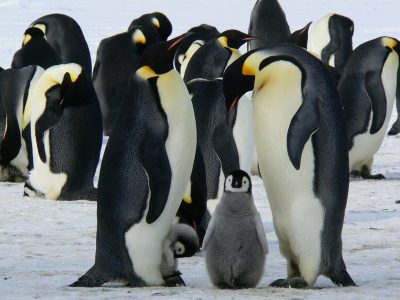
Antarctica would probably be at the bottom of your list if you had to pick a location to start a farm. Yet, there are farms down there — and have been for decades.
Plenty of researchers live in Antarctica for months or even years at a time and eating nothing but canned foods is both dull and unhealthy. This problem has been solved with Antarctic greenhouses, usually built into heated shipping containers with artificial lighting.
In addition to food, the greenhouses provide a calm, therapeutic place for researchers. Spending a while among growing plants goes a long way to relieving the ennui of an endless snowscape.
8. Underwater Bubble Farm

Enthusiastic Italian diver Luca Gamberini got an idea on a scuba diving trip in 2012. Since we’re starting to run low on arable land, why not grow plants underwater?
That idea gave birth to Nemo’s Garden, the world’s first underwater farm. Within the garden’s air-filled transparent domes, the operation grows tomatoes, beans, herbs, and lettuce, among other plants.
Nemo’s Garden has faced its fair share of setbacks, including a 2019 storm that wrecked nearly all of the submerged greenhouses. Yet, studies have found that underwater plants may have more nutrients and beneficial minerals than land-grown equivalents, so the idea isn’t completely harebrained.
7. Carnivorous Plant Farm
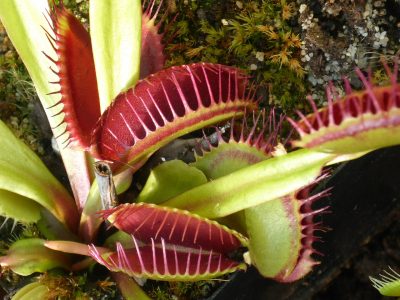
Usually, you eat the plants that come from a farm, but at California Carnivores, the plants eat you. At least if you’re a bug.
This farm and nursery is dedicated entirely to growing carnivorous plants. California Carnivores has more than 1,000 types of bug-eating plants, making it one of the world’s largest collections of its type.
Fun fact, you can tour the farm and they have a BYOB (Bring Your Own Bugs) policy.
6. Moose Milk Farm
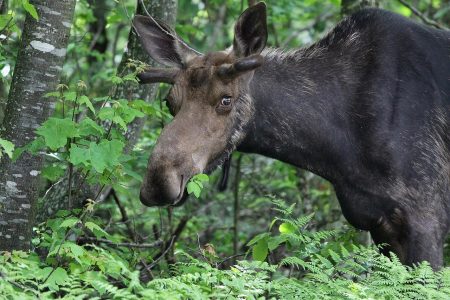
A dairy farm is nothing new, but the animals there are usually cows. At the Kostroma Moose Farm, however, the animals are… Well, moose.
This Russian farm‘s concept isn’t new, either. It has existed since 1963 and plans for harvesting moose milk were drafted already in the 1930s.
The milk from the moose doesn’t find its way to store shelves, though. It’s used exclusively for medicinal purposes at the nearby Ivan Susanin Sanatorium.
5. Snow Farm

If Canada has anything in abundance, it’s snow. So, it makes only sense that there’s a snow farm up there.
The snow doesn’t grow from the ground, however. Sunshine Village and Ski Resort in Alberta has a 15-mile-long snow fence that catches windblown white stuff in gigantic snow drifts.
If there’s little snow on the ground at the beginning or end of the ski season, Sunshine Village can simply spread the accumulated snow on its slopes. How handy.
4. Leech Farm
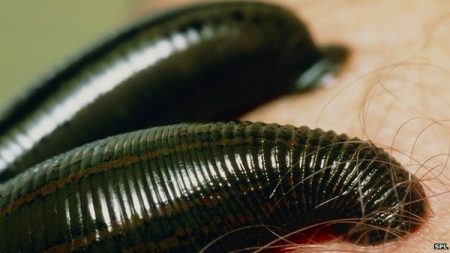
Medicine has come a long way since the days we used to just slap leeches on people and hope the disease goes away. Leech treatments are still used in some cases, but there’s the problem of the parasites causing more diseases than they cure.
Unless you buy them from Biopharm Leeches. This Welsh operation is the world’s first FDA-certified leech farm.
That’s right — the meticulous methods used at Biopharm Leeches ensures their bloodsuckers are sterile enough for hospital use.
3. Bird’s Nest Farms
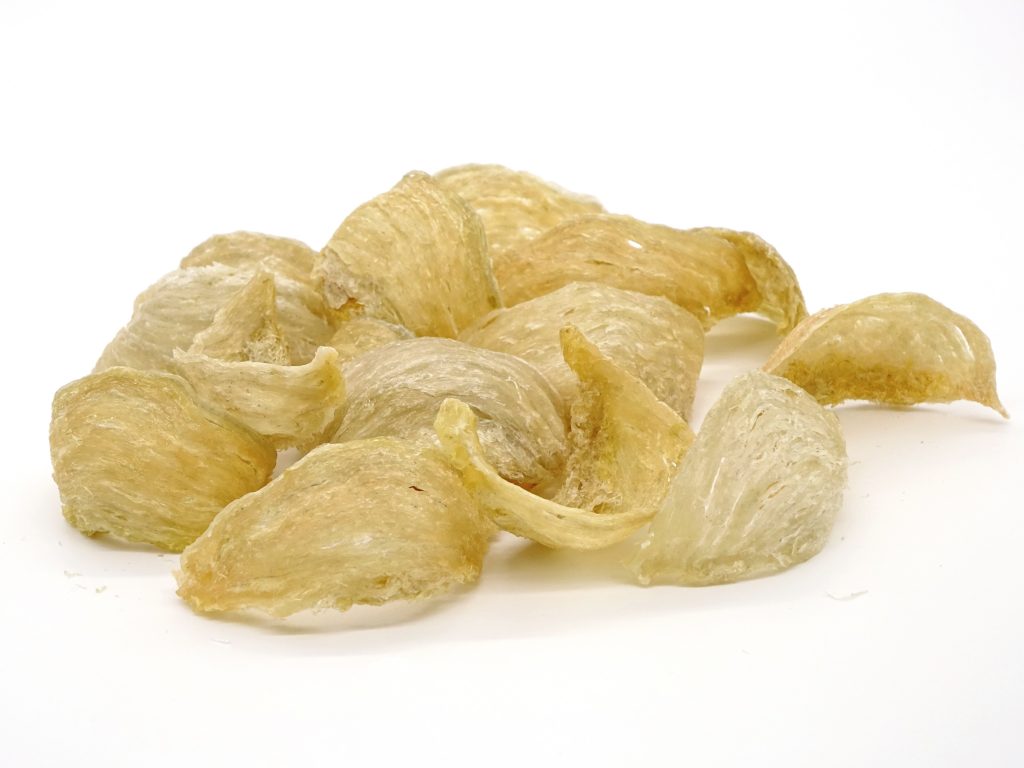
Swiftlet nests dissolved into a goopy soup is a delicacy in East Asia, but harvesting the nests is difficult and has caused significant damage to bird populations. So, bird’s nest farms have started cropping up in various places in Asia.
The farms typically feature tall concrete slabs with holes in them where the swiftlets can freely nest. The nests are harvested only after the chicks have flown away, ensuring that swiftlets get to have their babies in peace.
Despite being farmed, the nests — consisting almost entirely of solidified swiftlet saliva — can sell for more than $5,000 a pound.
2. Spider Goat Farm
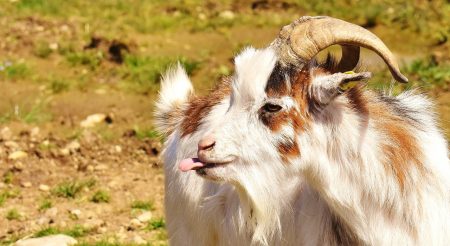
You may have seen goats on a farm, but you’ve never seen goats like this. Dr. Randy Lewis’ experimental farm at Utah State University grows goats whose milk is full of spider silk.
The goats have been spliced with spider DNA so that their milk contains the same proteins as spider silk. They can then be extracted from the milk to produce BioSteel, artificial spider silk that can be used in, for example, microsurgery.
The funny part is that milking the genetic freak goats is apparently still easier than trying to harvest actual spider silk.
1. Body Farm

In 1981, the Forensic Anthropology Center of the University of Tennessee established the body farm. This farm doesn’t grow anything, at least not on purpose. Instead, the facility is strewn with human and animal corpses in various stages of decay.
The purpose of the farm is to allow forensic scientists to observe and study human decomposition in real time. Gruesome though it may be, the facility has helped advance forensic science by allowing cops to more accurately establish the time of death.
In fact, the body farm has been so successful that today, there are eight such facilities in the U.S.