
- Do you know what’s on your dinner plate?
They say you are what you eat. So, what are you?
Chances are, you aren’t what you think.
Food fraud is so rampant around the world that the producers of some sought-after delicacies have resorted to bizarre measures to combat it. For example, did you know parmesan cheese makers are installing microchips into the wheels to prove their authenticity?
Cheese isn’t the only food getting faked, though. Here are some foods that often aren’t what they seem.
8. Truffles
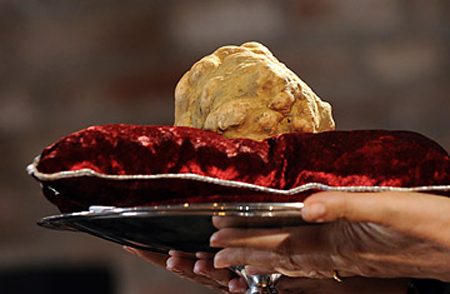
It’s easy to see why somebody would decide to produce fake truffles. After all, a single, decently sized white truffle can sell for as much as $150 and it spoils within five days of harvesting.
There are big bucks to be made if you can deliver “truffles” to high-class restaurants.
So, what are those fake truffles made out of? Well, the good news is that it’s usually still some fungus. It’s just not truffle.
Oh, and let’s not even talk about truffle oil. The short of it is this — if you bought truffle oil, you didn’t. You bought a lab-made concoction of olive oil infused with a synthetic compound that mimics the smell and taste of truffle.
7. Honey
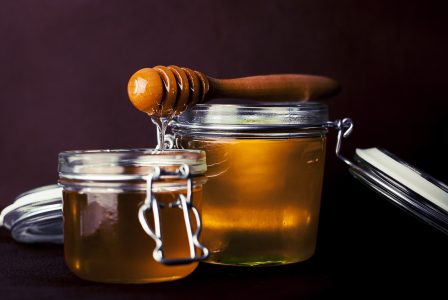
Up to a third of all honey sold globally is not honey. There might be some honey in it, but most of the product isn’t honey.
Instead, the honey is mixed with some other sweetener, like corn syrup, glucose, or any other kind of cheaper sweet stuff. Yet, the real problem is the extremely poor enforcement of honey labeling.
For example, that USDA label on the honey you bought from the supermarket is completely worthless. There are no rules about inspecting honey, so a producer can just slap that USDA sticker on the bottle willy-nilly.
If you want some actual honey, make friends with a local beekeeper and buy raw honey from them.
6. Seafood
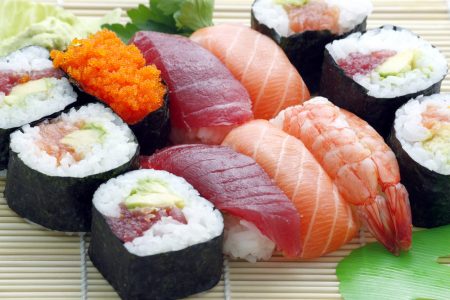
A lot of seafood looks kind of same-y once it’s cut up and wrapped in packaging. And that makes things very easy for seafood fraudsters.
Fish mislabeling is a massive problem in the industry. Cheap, readily available fish often gets sold as some much more expensive fish.
At least you’re still getting fish, right? Well, yes, but fish is also one of the most common allergens. Just because two kinds of fish look similar after they’re filleted, doesn’t mean they’re equally safe to eat.
And scallops? Well, you just may be eating ray or skate that’s been shaped with a cookie cutter.
5. Coffee
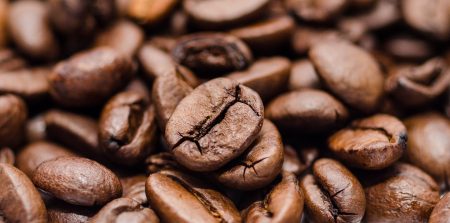
I sure love starting my day with a hot cup o’ Joe. But there’s a reason why I try to buy whole-bean coffee, apart from it tasting better.
Coffee is expensive and difficult to grow, so unscrupulous farmers often mix in all kinds of other stuff to bolster their supply. On the less serious end of the scale, your pre-ground coffee might contain the husks of old coffee beans.
But it could also have roasted corn and grain, acorns, twigs, or even scorched paper. How are you supposed to tell since it’s all ground up anyway?
Just buy whole-bean coffee.
4. Olive Oil
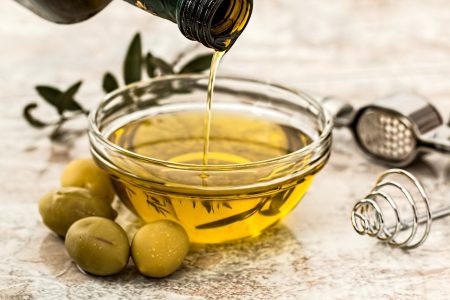
Surely your olive oil is what it claims to be. The label says it’s “extra virgin” and comes from Italy!
I’m sorry to tell you, but that virgin oil is likely f***ed six ways to Sunday. Up to 69% of olive oil labeled as “extra virgin” actually doesn’t reach that standard.
Saying the oil is from Italy doesn’t mean much, either. As long as foreign oil crosses the border into Italy, a producer can label it as “Italian,” even though it’s from somewhere else altogether.
And then there are the cases where the oil has never even seen an olive. Some products sold as “olive oil” are actually sunflower or soybean oil mixed with beta carotene and chlorophyll to make them more olive-looking.
3. Vanilla
Whoever said vanilla is basic and boring has never actually tasted vanilla. And it’s hard to blame them because trying to find real vanilla is a pain.
Case in point, according to some estimates, only a single percent of all products sold as containing “vanilla” actually have vanilla.
Instead, they’re flavored with a man-made product called vanillin. It’s derived from petroleum and flavored with cloves and various wood and bark.
That makes it sound bad, but vanillin is perfectly safe to eat. But it’s only a pale imitation of actual vanilla.
2. Caviar
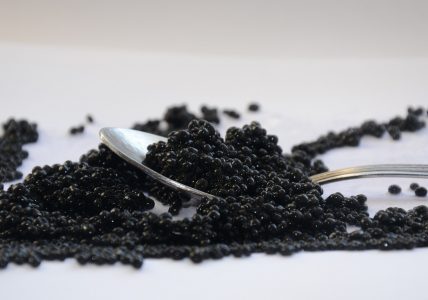
Real caviar is stupidly expensive — upward of $10,000 per pound — and takes ages to harvest since sturgeons grow so slowly. So how come you can buy it fairly cheaply?
You guessed it. It’s because most “caviar” sold in the world didn’t come from a sturgeon.
One of the more common roes sold as caviar comes from the delightfully named lumpfish. Another common way to fake caviar is to make it out of seaweed.
There is a way to test whether the caviar you have is the real deal. If you boil it, real caviar cooks and hardens, while most fake products turn mushy or dissolve altogether.
If the roe you boiled turned hard, you can be satisfied with the fact that you just wasted a lump of perfectly authentic caviar by boiling it.
1. Saffron
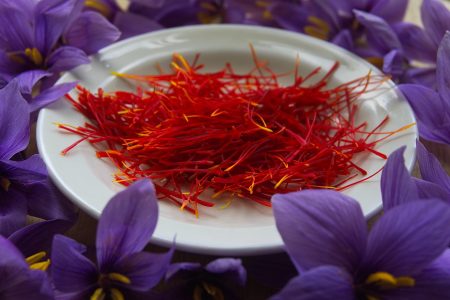
Saffron is the world’s most expensive spice because of how ridiculously hard it is to produce. The spice is made from the stigmas of the Crocus sativus flower, and workers must painstakingly harvest 75,000 flowers by hand to produce one pound of saffron.
Once again, it’s no wonder crooks have taken to faking saffron. They use everything from other flowers and plant roots or coconut filaments to dyed hay or even horse hair to make “saffron.”
But hey, you can sell that red-dyed hair for $2,000 a pound.