
- Think you got a snake bite? If so, read on, to learn more...
If you’re hiking in a wooded area, feel a sharp pain in your lower extremities, and suspect the culprit is a snake, how can you tell for sure?
The U.S. is home to dozens of species of venomous snakes — and the ones that strike the most fear in people are rattlesnakes, coral snakes, copperhead snakes, and water moccasin snakes. An estimated 7,000 people are bitten by venomous snakes in the U.S. each year, but the good news is that deaths from such occasions are rare. In fact, there are around six deaths annually. That’s because most victims seek medical care fast enough to save their lives.
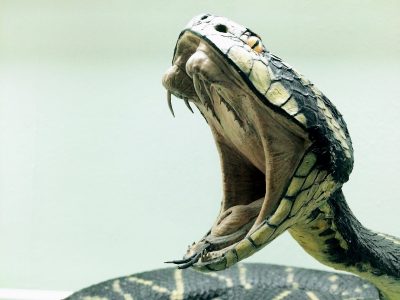
Many people have a fear of snakes. While caution is always advisable if you’re living in or visiting an area with venomous stakes, an irrational fear of anything might warrant calling a therapist. You never want to let fear paralyze you, especially when the dreaded scenario is unlikely.
But if you ever find yourself in an environment with venomous snakes, are bitten, and want to know if a venomous snake did the nasty deed, here are seven symptoms to look for.
1. Puncture Marks
If you’ve been bitten, one of the first signs to look for is puncture wounds. A snake bite will leave puncture wounds from the snake’s fangs. So, if you see puncture marks at the site of the wound, you can be confident that a snake bit you.
Whether a venomous or non-venomous snake bit you can’t be determined by the puncture marks, however. You’ll have to keep reading to see specific signs of a bite from a venomous snake.
2. Disturbed Vision
One sign that a venomous snake has bitten you is disturbed vision. If your vision has been adversely impacted, don’t ignore that symptom. You might have blurred vision that makes it difficult to see, so you must seek emergency medical attention.
3. Difficulty Breathing
Yet another sign that a venomous snake has bitten you is difficulty breathing. If you’re having trouble breathing normally or find your breathing is labored, you should have someone drive you to a hospital or call an ambulance immediately.
4. Swelling
Take notice of the wound site. If you see things like bruising, bleeding, or swelling, the chances are good that a venomous snake has bitten you. You’ll want to get treatment right away. Any delay is a dangerous proposition, so get the bite tended to immediately.
5. Upset Stomach
If a venomous snake has bitten you, an upset stomach is one symptom to look out for. For instance, You might feel nauseous and even experience bouts of vomiting. It’s also not uncommon to have diarrhea or loose stool.
6. Rapid Heart Rate
Yet another sign that you’ve been bitten by a venomous rather than a non-venomous stake is a rapid heart rate. If your heart rate has picked up unexpectedly, that’s a sign that you need immediate medical attention. You might also experience problems like low blood pressure.
7. Paralysis
If a venomous snake bites you, one of the more severe problems is paralysis. You might be unable to move, which can be a frightening prospect.
What to Do After Being Bitten
You must seek medical attention immediately. Call the police or get someone to drive you to the emergency room. If possible, take a picture of the snake that bit you before seeking medical attention. Knowing the species can help with determining the proper treatment for your case.
Don’t allow a fear of snakes to stop you from enjoying the great outdoors. You need to exercise caution and get immediate medical care if the unthinkable occurs.