
- Learn everything you ever wanted to know about prime ingredient of guacamole.
Avocado is a wonderful treat. It’s healthy, it’s tasty, and it ruined the economy because millennials blew all their money on avocado toast.
At least that’s what some claim. But even if that were true, it probably wouldn’t be the strangest thing about avocado.
This South American fruit has a long and colorful history. That means there’s plenty of space for all kinds of weird stuff.
Here are 7 surprising facts about the avocado that you may not have heard about.
1. Avocado is a Drupe
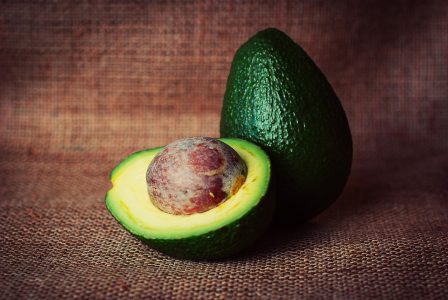
What even is an avocado? We called it a fruit in this article’s title, but in many people’s minds, it belongs firmly in the vegetable category.
Those of you more well-versed in botany might now be snickering to themselves, comfortable with the knowledge that avocado is a berry.
We’re all wrong. Technically, avocados are drupes.
If you don’t know what a drupe is (and we can’t blame you), it’s a type of fruit with a soft, fleshy outer part surrounding a single hard pit. So, like an avocado.
Then again, drupes are a classification of fruits, so that does make avocado a fruit. Also, the line between a berry and a drupe isn’t always clear, and avocado firmly straddles that line.
Seriously, what are avocados?
2. Aztec Slang for Testicles Was ‘Avocados’

There’s a common story that avocados got their name from an Aztec word for testicles. In reality, however, it’s most likely that things went the other way around.
In Nahuatl — the language the Aztecs spoke — avocados were called ahuacatl. When the Spanish conquistadors arrived in America, they noted that the word was also used to refer to testicles.
At some point, people not speaking Nahuatl got confused about whether the testicles or avocados came first. Language reconstructions, however, have shown that the word originally meant the fruit.
This use is identical to how in English, we talk about someone’s nuts. So, a rude Aztec guy who pissed off the wrong person may have received a swift kick in the avocados.
3. Avocado Has a LOT of Names

Avocados have plenty of names besides “testicles.” In Spanish, the fruit (or drupe, or berry) is called aguacate.
However, that’s not what you’ll hear in many places in South America. In Argentina, Chile, Peru, and Uruguay, for example, the avocado is known as palta.
In English, avocado was first called avogato, but by the time it got to the U.S., it received a different name on each coast. Californians called ahuacate, while the Floridians spoke of alligator pears.
In 1915, the California Avocado Association got tired of the confusion and made an executive decision to name the fruit avocado. And that’s what we know it as today.
Unless you’re in India or China. Then its name is butter fruit.
4. Avocado is Related to Cinnamon

The avocado is part of the Lauraceae plant family, also known as laurels. That means it’s related to many other famous plants.
The most well-known avocado relative is probably cinnamon. We know — they don’t really look anything alike, but they are related.
There’s just no family resemblance.
Another avocado relative is the bay laurel, which produces bay leaves. It’s also the plant the ancient Greeks and Romans used to make laurel wreaths to crown their leaders and heroes.
5. You Can Ripen Avocados with Bananas
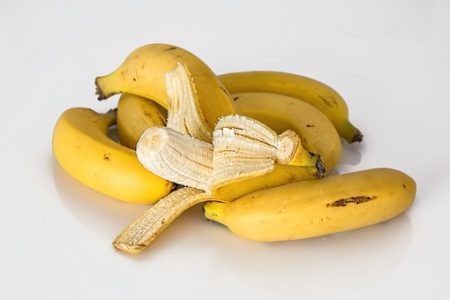
The guests are about to show up for Taco Tuesday, but your avocados just aren’t ripe enough to make guacamole. It’s a disaster!
Don’t worry just yet. Throw those avocados in a paper bag with a couple of bananas and they’ll ripen much faster.
That’s because bananas exude ethylene gas. Coincidentally, ethylene is a hormone that triggers ripening in avocados.
Just don’t tell the bananas that avocados have more potassium than they do. You might open a bag to find some bruised avocados in the morning.
6. Avocados Symbolize Love

Aztec men may have called their dangly bits avocados, but the fruit also had a different meaning for them. To Aztecs, avocados symbolized love.
You see, avocado trees produce both “male” and “female” flowers. However, the different types of flowers on an avocado tree grow at different times of the year.
As a result, they aren’t able to self-pollinate. Consequently, they will always need another avocado tree to produce fruit.
The Aztecs noticed this, alongside the trees’ tendency to grow in pairs. It doesn’t take a huge leap of logic to then associate the lovey-dovey trees with amour.
7. Humans Probably Saved Avocado from Extinction
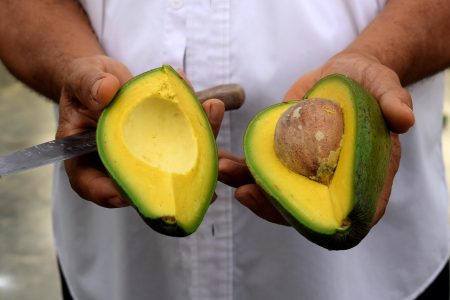
When you hear about humans and plant extinction, we’re usually the ones causing it. But in the avocado’s case, we may have ended up saving them.
You see, the avocado’s pit is super hard so it can survive a trip through an animal’s digestive tract intact. But what animal would be big enough to swallow an avocado pit whole?
Nothing that lives today, but the avocado co-evolved with Pleistocene megafauna. These gigantic ancient mammals could easily swallow avocados and their pits.
But then the animals died out. Avocados may have disappeared as well, if not for one hairless ape picking an avocado out of a tree and realizing that it tastes yummy.
Sure, we can’t swallow avocado pits, but we can carry the fruit around and disperse their seeds without pooping them out. Combine the human penchant for avocados with the trees’ extremely long lifespans, and avocado managed to avoid extinction.