
- Can you save money with solar? It depends, but read on to learn more
Are you interested in transitioning to solar energy? Imagine the satisfaction of harnessing the power of the sun to provide renewable energy for your living space. Adding solar panels to your property can minimize your carbon footprint and electricity bills, especially with the advancement of power residential systems.
However, before taking the plunge into solar panel installation, there are seven key factors to keep in mind. But don’t worry—this blog is here to provide you with all the guidance you need. So, jump in!
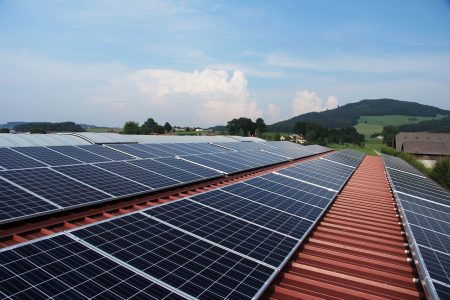
- Location and Orientation
One of the first things to consider is the location and orientation of your property. Understanding how much sunlight your property receives daily is essential. The ideal scenario is to have your solar panels facing south to maximize exposure to the sun.
However, east and west-facing panels can still generate significant electricity. Look at your roof and determine if it’s in a location that allows optimal sunlight. If nearby trees or buildings cast shadows, it may affect solar panel efficiency.
Visualize a tall building east of your property that shades your roof in the morning. In this case, it’s best to install solar panels on a different part of your property for maximum sunlight exposure.
- Roof Suitability
Next, assess the suitability of your roof for solar panel installation. The roof’s condition is vital in determining whether it can withstand the load of solar panels. A sturdy and well-kept roof is essential for a successful solar installation, and maintaining your solar panels is critical for enjoying the many benefits of solar energy, such as lower electric bills.
If your roof is old or requires repairs, it’s wise to address these issues before proceeding with the installation. The last thing you want is to invest in solar panels only to have them dislodged due to a weak roof structure.
Imagine you have a damaged roof due to severe weather conditions, and it’s already showing signs of deterioration. This means it’s vital to prioritize roof repairs before installing solar panels to avoid the risk of unforeseen damage.
- Energy Needs and Storage Options
Assess your energy needs and consider storage to maximize solar panel benefits. Calculate your solar panel electricity needs by analyzing your energy consumption. Follow these steps:
- First, analyze your energy use and how much electricity you’ll require from solar panels. Think about your future energy needs as well. Are you expanding your property or buying electric cars that require additional power? For example, if you’re a homeowner planning to install an electric vehicle charging station soon, look for a solar panel system that can handle the additional energy demands.
- Then, explore the possibility of incorporating energy storage solutions like battery systems. These let you store daytime energy for peak demand or cloudy days.
- After that, evaluate the different types of battery storage available, such as lithium-ion and lead-acid batteries. Ensure to make a storage decision that aligns with your usage.
With these tips, you can determine the size of your solar panel system and whether you need energy storage.
- Regulations and Permits
Before starting your solar journey, familiarize yourself with local solar installation regulations and permits. Each jurisdiction may have system size, installation, and grid interconnection requirements. Complying with these regulations ensures a smooth and efficient installation process.
For instance, California homeowners need building department permits to install solar panels. Solar panels must also meet local building codes and industry standards. Considerations include structural integrity, electrical wiring, and fire safety.
Failure to comply with these regulations could lead to costly fines or solar project delays. Understanding and following local regulations can help avoid unnecessary headaches as you transition to solar energy.
- Available Space
Another essential factor is property space for solar panel installation. Assess how much space you have on your roof or if you have a ground-mounted system. The size of the solar panel system you can install will rely on the available space and your energy needs.
Say you have a small roof with limited usable space due to chimneys, vents, or other obstructions. In such cases, ground-mounted systems or space-saving solar tiles may be necessary.
- Financial Feasibility
Installing solar panels requires a financial investment, so assessing the project’s viability is crucial. Think about the upfront costs of purchasing and installing the solar panels. Explore local, state, and federal rebates and incentives to reduce costs.
In addition, assess the lifespan of solar panel systems and long-term electricity bill savings. For example, consider the long-term benefits of the solar panel system. If you plan to stay in your home for decades, the financial savings can quickly outweigh the initial installation costs.
- Maintenance and Warranty
Lastly, maintenance is a vital aspect of owning solar panels. While solar panels are low-maintenance, regular inspection is necessary to ensure optimal performance.
It’s crucial to understand the maintenance and warranty terms of the manufacturer or installer. Ask these questions:
- Do they offer a warranty for the panels and other system components?
- What is covered under the warranty, and for how long?
- Is there a maintenance plan or service agreement available?
Knowing the answers to these questions offers peace of mind and aids in future repair planning.
Maximizing the Power of the Sun
Overall, installing solar panels reduces electricity bills and provides energy independence, which can improve your home. To make an informed decision, consider the seven factors mentioned above.
Remember, it’s all about maximizing the sun’s power and understanding your specific needs. So, go ahead, switch to solar energy, and enjoy its many benefits!