
- Here’s a bunch of workaholic animals that put a lot of human slackers to shame.
Animals can work just as hard as people — and even harder than some folks. We’ve all heard of police and support dogs, and perhaps you even know about working cats, like the U.K. Foreign Ministry’s Chief Mouser.
But there are other kinds of animals that carry out important jobs besides dogs and cats. Often, the critters do it without any recognition since no one knows they’re on the job.
Let’s change that. Here are six animals that put in long hours, often in surprising tasks.
1. Guard Hawks
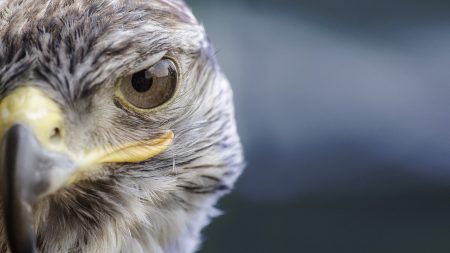
A hawk might be the last thing you’d expect to see at a crowded London railway station. Yet, that’s just what you might spot if you visit the city.
You see, London has a problem with pigeons. They like city life a bit too much and breed in huge numbers. And as anyone who’s parked their car under a pigeon-infested powerline knows, the birds leave a huge mess in their wake.
That’s where the hawks come in. If there’s one thing to override pigeons’ love of pooping on things, it’s their fear of hawks.
A single hawk flying around can effortlessly clear an entire railway station of pigeons. And the bird of prey might even catch a tasty snack while on duty.
The British aren’t the only ones using hawks to deter pigeons. Rome and many other Italian cities have hawk squadrons to drive away flocks of pigeons that would befoul their ancient Roman monuments.
2. Bee-Spotting Honeyguides
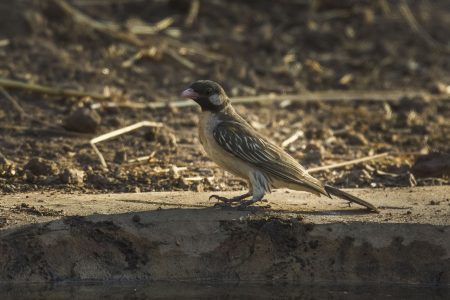
You may not have ever heard of these African birds, but take a wild guess what the greater honeyguide’s job is. That’s right — it guides people to honey.
Honeyguides’ favorite foods are bee larvae and beeswax. There’s just one problem — how are they supposed to get to the good stuff with hundreds of stinging bees in the way?
Well, honeyguides have thrown in their lot with humans. Local honey-hunters call the birds with a specific sound, and the honeyguide goes off to find a bees’ nest.
When they find it, they begin to sing and fly around. The humans make a fire to smoke out the bees, after which they gather the honey. Meanwhile, the honeyguide waits patiently for its turn to break into the nest.
The honey-hunters better let the bird get its share, too. According to folklore in some African regions, if the honeyguide doesn’t get its due, it will go to its secondary clients and guide lions to the offending humans.
3. Vintner Ducks
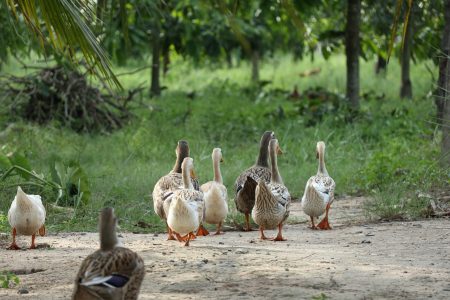
Staying in Africa, you may run into unusual staff members at some South African vineyards. Some grape farmers in the region employ hordes of ducks to help them make wine.
Now, the ducks don’t actually give a hoot or a holler of the wine itself. But they sure love the aphids, worms, and snails that threaten the grapes.
In some vineyards, hundreds of ducks roam the grounds, ravenously gobbling up any pests that could hurt the grapes. As they pass by, they also leave plenty of top-quality fertilizer behind after their meal.
That said, the winemakers must herd the ducks off the fields when it’s time for harvest. After all, they love juicy grapes just as much as we do.
Mmm, Chateau d’Quacque. Good vintage.
4. Librarian Bats
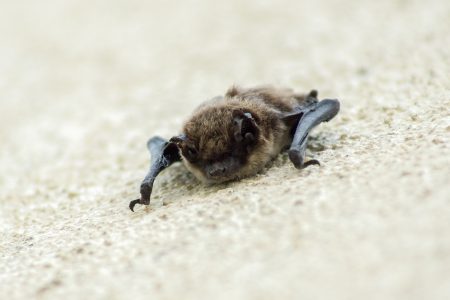
The Joanina Library of the University of Coimbra in Portugal is a sight to behold. The baroque building is renowned for its finely crafted wooden shelves and railings, sporting luxurious gilded details.
And then there are the bats.
For nearly three hundred years, small colonies of two different bat species have called the library home. There are free-tailed bats and pipistrelles flitting about between the shelves.
The bats do a job similar to the vintner ducks — they eat insects that could damage the library’s valuable book collection. Or that’s part of their job, at least.
Frankly, the human staff at the museum believes the bats’ role in pest control is negligible. The unusual librarians’ main job is in the marketing department, drawing curious (and paying) tourists to the library.
Then again, they’ve never tried running the library without the bats, and no one sure wants to take the risk.
5. Electrician Ferrets
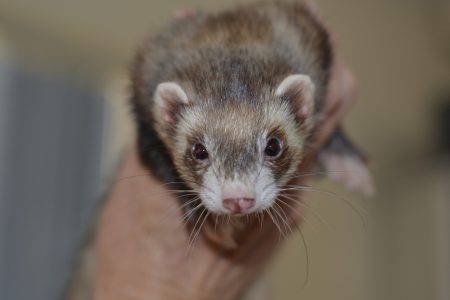
Ferrets are naturally curious creatures. If you show them a tight space, the slippery rascals feel compelled to see where it leads.
That makes them excellent electricians. It can sometimes be difficult for humans to install wiring without tearing down lengths of wall.
The National Ferret School in the U.K. solves that problem with some furry help. All you need to do is crack two small holes into the walls, tie a heavy-duty string to the ferret’s back, and let it figure out the most direct route through the wall.
Then, just tie a cable to the string and pull it through to the other side. The record for the longest length of electrical cable installed with ferret aid sits at around 250 yards — not too shabby.
6. Mine-clearing Rats
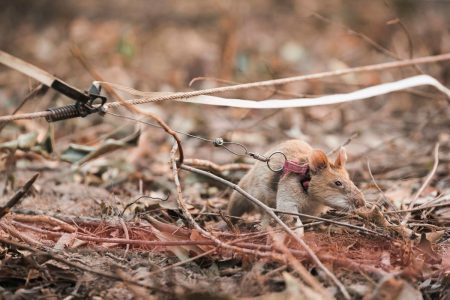
Rats are often considered ill omens. But the supposed vermin can also save people from death and disfigurement.
In many African and Asian regions, the ground is littered with forgotten but still active land mines from various conflicts. Helping remove those mines are African giant pouched rats.
These huge rodents have keen noses and naturally love to sniff about. A nine-month training program teaches them to discover land mines and indicate their location to their trainers.
The rats are too light to trigger the mines, so they can safely work even in the densest minefields. They’re good at their jobs, too — Magawa, one of the most celebrated mine-sniffing rats, helped discover and defuse 71 mines and 38 unexploded artillery shells before his retirement, clearing 35 acres of land.