
When it comes to buying a house, you have to be smart about how much you spend. And while most homebuyers simply look at the estimated monthly payment, there’s much more to it. In particular, you have to consider the down payment and maximize your equity.
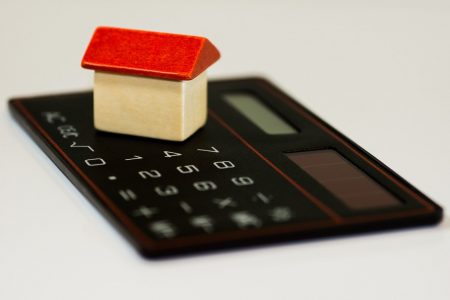
How Much of a Down Payment Should You Make?
While the bank will technically issue mortgages to many borrowers with as little as three to five percent down (and even zero percent down in some cases), it’s usually a smart idea to increase the amount you bring to the table. Every situation is unique, but generally speaking, the more you can put down on a house, the better.
If possible, try to put down 20 percent. When you reach this threshold, you no longer have to pay for private mortgage insurance (PMI). This could potentially save you thousands of dollars per year. Another benefit of the 20-percent marker is that it lowers your monthly payment and gives you instant equity in your house – something that can be tapped later for improvements, loans, etc.
For expert advice on leveraging your equity through fast, short-term bridging loans and development finance, visit Finbri.
To get an idea of how different down payments would impact your monthly payment and interest, use an online home loan calculator. This will provide you with details on your borrowing power and other vital insights.
4 Creative Tips to Help You Save Up
There’s the normal way of saving up for a down payment – working and saving over a long period – but sometimes you need to kick it into high gear and accelerate the pace.
In these situations, you have to get creative. Here are a few ideas:
1. Set Aside Tax Return Money
Any time you get windfall money, it should go towards the down payment. Windfall money can include gift money from family (for birthdays or holidays), work bonuses, lottery winnings, or tax returns. And it’s the latter one that’s typically most opportunistic. Whether it’s $500 or $10,000, tax return money can provide you with an instant boost. Just make sure you put it somewhere it won’t get touched.
As a general rule, you should be intentional about how you use windfall money at all times – not just when it comes to saving up for a down payment on a house. Most people get more windfall money than they realize, but tend to squander it on frivolous things. If you make it a point to save it in a special fund for investments, you’ll give your financial picture a healthy boost.
2. Cut the Cord
Want a very practical tip that will save you thousands of dollars over the next few years? Get rid of cable!
Cable packages come in a variety of price points – and are typically bundled with internet service – but can easily run $100 or more per month. That might not sound like a lot, but it’s over a thousand dollars per year. Ditch it and pay for something cheaper, like Netflix.
3. Sell Services Online
Can you increase your income over the next six to eight months in a push to save up a down payment and buy a house? One option is to sell services online.
Find something you’re skilled at – like web design, copywriting, consulting, or photography – and monetize it on a freelance marketplace like Upwork or Fiverr. You probably won’t get rich, but a few hundred dollars per month could accelerate your mission to save up for a down payment.
However, if you need a full-time job, you will need a staffing agency to help provide an in-depth job search that best fits you. They can provide you access to a much broader range of job opportunities than you might otherwise find through traditional methods.
4. Tap Your Retirement Savings
This isn’t recommended for everyone – and could negatively impact your ability to save up for retirement – but we’ll mention it anyway. The Department of Housing and Urban Development (HUD) has a program in place that allows first-time homebuyers to take out as much as $10,000 from a traditional or Roth IRA and apply it to the down payment on a home without an early withdrawal penalty.
Are You Ready?
It’s important to carefully consider whether or not the timing is right for buying a house. If you’d be more comfortable making a 25 percent down payment and you only have enough to cover 10 percent, it could be worthwhile to wait. But if you have the financial means to make the investment, now may be your best opportunity. The decision is yours!
Use these tips to save as much as you can, and have a dedicated bank account for your real estate investment. Check out the available banks in your area and see which one works for you. If you live in North Dakota or Montana, Bravera Bank may be a good option for you.