
- What do you think the differences in crime investigations will be?
Do you think you’ll know all the differences between crime investigations from 50 years ago and until now? Obviously everything is a lot more “visible” these days and a whole lot more.
Criminals can spread misinformation rapidly online. False rumors, fake evidence, edited videos, and coordinated disinformation campaigns can complicate investigations and influence public opinion before facts are confirmed.
Cybercrime barely existed 50 years ago. Modern investigators now handle ransomware attacks, identity theft, cryptocurrency fraud, online stalking, and hacking operations that can target victims across the world instantly.
Criminal organizations are more technologically sophisticated. Many modern criminals use encrypted messaging apps, cryptocurrency, burner phones, and anonymous online marketplaces to hide activities that once relied on face-to-face contact. Do you think this is one of the most stark differences in crime investigations?
DNA testing revolutionized crime solving. Decades ago, biological evidence like blood or hair had limited value. Today, advanced DNA analysis can identify suspects from tiny samples and even connect relatives through genealogy databases.
Despite technological advances, human skills still matter most. Experienced investigators continue to rely on interviews, intuition, patience, observation, and relationship-building because technology alone rarely solves a case completely.
Social media changed how crimes are committed and investigated. Suspects sometimes expose themselves through posts, livestreams, or photos, while investigators monitor online behavior for threats, gang activity, and evidence.
Financial investigations are more digital. Detectives once traced paper checks and cash transactions manually. Today, investigators follow electronic payments, online banking, cryptocurrency transfers, and digital purchase histories. Do you think this is one of the most stark differences in crime investigations?
Crimes are reported and spread faster than ever. In previous decades, people learned about crimes through newspapers or evening broadcasts. Today, information spreads instantly through apps, alerts, and social platforms.
Public expectations have changed because of television and internet culture.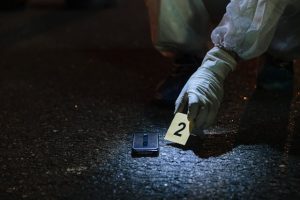 Many jurors now expect DNA, video footage, or advanced forensic proof in every case, even when such evidence does not exist. This is sometimes called the “CSI effect.”
Missing persons investigations move faster today because digital footprints provide clues. Cell phone pings, ATM use, rideshare records, and online activity can help reconstruct a person’s last known movements.
Globalization changed crime patterns. Investigators now deal with international fraud rings, trafficking networks, and online scams operating across multiple countries, requiring cooperation with foreign agencies. Do you think this is one of the most stark differences in crime investigations?
Surveillance technology has transformed policing. In the 1970s and 1980s, investigators often had to physically follow suspects for days. In 2026, public cameras, doorbell systems, traffic readers, drones, and business security footage can track movements across entire cities.
Facial recognition and artificial intelligence are now part of many investigations. Fifty years ago, identifying suspects depended largely on witness descriptions and mugshot comparisons. Modern systems can rapidly compare images against databases, though privacy concerns remain controversial.
Privacy debates are much more intense today. Modern crime fighting tools can access massive amounts of personal data, leading to ongoing legal and ethical battles over surveillance, warrants, and civil liberties.
Modern forensics are more specialized. Fifty years ago, departments had fewer scientific resources. Today, investigators may use digital forensic analysts, behavioral profilers, forensic accountants, and data recovery experts. Do you think this is one of the most stark differences in crime investigations?
Communication between agencies is much faster. In earlier decades, information sharing could take weeks through mail or phone calls. Today, agencies can instantly exchange records, alerts, fingerprints, and intelligence through national databases.
Investigators today face overwhelming amounts of data. Older detectives struggled with lack of information; modern investigators often struggle with too much information, including thousands of texts, videos, digital transactions, and online accounts.
Public scrutiny of policing is far greater in 2026. Body cameras, smartphones, livestreams, and social media mean police actions are often recorded instantly and reviewed by millions of people.
Organized crime has evolved. Traditional mafia-style operations once dominated headlines, while modern criminal networks often include decentralized cybercriminal groups operating internationally without ever meeting in person.
What do you think of the differences from crime investigations until now? Tell us in the comments!