
- Do you ever feel like something is watching you because it may be a wild animal.
Did you know there were wild animals that stalk us? Here are 17 to prove it.
Owls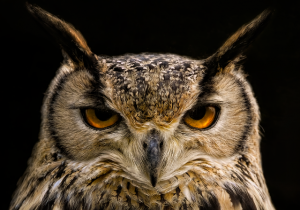
These nocturnal birds of prey are eerily silent due to specialized wing feathers. Owls circle above their targets in darkness, tracking rodents, birds, and even humans from tree canopies without being heard. Their sudden, silent attack is a chilling ambush.
Antlions
These insects stalk indirectly by creating hidden traps in sand, waiting for ants to wander in. The prey rarely notices the predator until it’s too late.
Boa Constrictors and King Cobras
Many snakes shadow their prey for long periods, remaining still to avoid detection. They strike with speed and precision, sometimes coiling around animals or humans before they even realize danger exists. Did you think of whales as wild animals that stalk us?
Anglerfish
In the deep sea, anglerfish use a bioluminescent lure to attract prey, stalking in near-total darkness. They are ambush predators, waiting for curious fish to approach the glowing tip before striking with deadly precision.
Wolves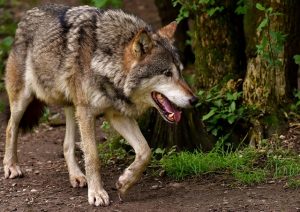
Wolves are pack hunters that track prey for hours or even days, communicating silently with each other. Their ability to remain undetected while encircling their target is both strategic and unnerving, often resulting in coordinated, fatal hunts.
Praying Mantises
These insects are stealth hunters, often slowly advancing on prey, blending perfectly with foliage. Mantises stalk insects and sometimes small reptiles, striking with lightning speed, making them tiny but terrifying assassins. Did you think of whales as wild animals that stalk us?
Leopards
Leopards are solitary hunters that follow humans or animals quietly, sometimes for hours, before deciding to attack. They are so stealthy that villagers in Africa and India have reported being stalked through forests without ever hearing a sound.
Cats (Domestic and Big Cats)
Even house cats display natural stalking behaviors, crouching silently, tracking movements, and waiting for the perfect moment to pounce, a reminder of the predator instincts lurking in familiar animals.
Leeches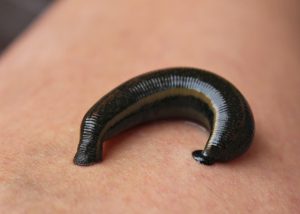
Though small, certain predatory leeches sense vibrations and chemical signals to stalk fish, amphibians, and even humans in water. They can approach unnoticed before latching on to feed, turning a peaceful pond into a creepy hunting ground.
Komodo Dragons
These giant lizards follow their prey silently and strike unexpectedly. Their bite injects venom that causes shock and internal bleeding, and they often wait for injured prey to weaken before moving in—an almost methodical form of stalking. Did you think of whales as wild animals that stalk us?
Alligators and Crocodiles
These reptiles can float almost invisibly in water, eyes barely breaking the surface. They silently follow prey to the edge of a bank or dock, waiting for a misstep. Their patience can last hours, sometimes until nightfall.
Jumping Spiders
Some spiders actively stalk prey, tracking movement across walls or foliage, calculating the exact moment to pounce. Jumping spiders, in particular, can leap ten times their body length, often without warning.
Orcas 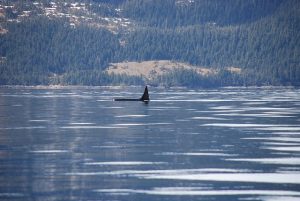
Orcas hunt in pods, following seals and seabirds silently, often creating waves or confusing prey before striking. Their intelligence allows them to plan ambushes, making the ocean feel like a calculated hunting ground. Did you think of whales as wild animals that stalk us?
Great White Sharks
These apex predators often circle their prey silently, assessing before striking. Divers report feeling like they’re being watched as sharks move slowly, appearing and disappearing in murky waters, making every movement a tense gamble.
Tigers
Tigers are masters of silent stalking. Using dense foliage, they can creep within meters of prey without a sound, waiting for the perfect moment. Their combination of camouflage, patience, and lightning-fast strike is terrifying in its precision.
Hunting Wasps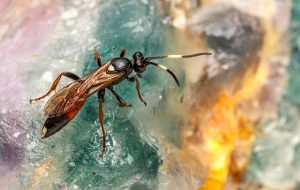
Certain wasps track caterpillars or spiders, often marking them and returning later to paralyze and lay eggs inside the prey. This slow, calculated approach is a macabre natural strategy.
What surprised you about wild animals that stalk us? Tell us what you thought in the comments!