
- Like shells and tobacco, did you know about that?
What strange things do you think were once used as money? Do you think it’s on this list?
Giant Stone Wheels
On the Pacific island of Yap, people traditionally used enormous circular stones called rai as a form of money. Some were only a few inches across, while others were several feet wide and weighed thousands of pounds. The remarkable part was that the stones didn’t necessarily have to move when ownership changed. Everyone could simply recognize that a particular stone now belonged to someone else.
Cowrie Shells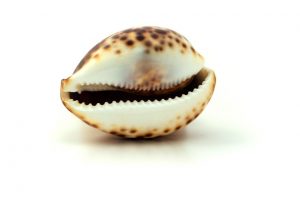
Cowrie shells were used as currency across parts of Africa, Asia, and the Pacific for centuries. Their small size, durability, and recognizable appearance made them convenient for everyday transactions. In some regions, enormous quantities were imported from distant locations specifically for use as money. Something that today might be picked up on a beach could once represent genuine purchasing power. Did you know these were once used as money?
Salt
Salt has served as a medium of exchange in various societies because it was essential for preserving food and difficult to produce in some regions. Roman soldiers are often said to have been paid in salt, giving rise to the word “salary.” The popular story is more complicated than that: Roman soldiers were generally paid in ordinary currency, although salt was certainly economically important and may have been supplied as part of military provisions.
Tea Bricks
In parts of Central and Eastern Asia, compressed tea bricks were historically used as a form of money. Tea could be divided into smaller quantities, transported relatively easily, and consumed if necessary. In places where conventional coins were scarce, a standardized tea brick could therefore function as both a commodity and a medium of exchange.
Cacao Beans
In parts of Mesoamerica, cacao beans were valuable enough to function as money. The Aztecs used cacao beans in everyday transactions, and historical sources describe prices being expressed in numbers of beans. Unlike gold or precious stones, cacao had an additional advantage: it could eventually be consumed. Did you know these were once used as money?
Cheese
In parts of medieval Europe, food commodities could function as payment when conventional money was scarce. Cheese, grain, livestock, and other agricultural products could be transferred to settle obligations. The idea wasn’t as strange as it sounds: in an economy where many people produced food themselves, a valuable, durable food could effectively serve as stored wealth.
Tobacco
In colonial Virginia and other parts of early America, tobacco became important enough to function as a medium of exchange. Governments and merchants sometimes accepted it for payments, and standardized quantities could be used to settle debts. Tobacco’s value came from strong demand and its role in the colonial economy. Did you know these were once used as money?
Knife Money
In ancient China, some forms of money were shaped like knives. These objects, known as knife money, were bronze pieces produced during periods before China’s monetary system became dominated by the familiar round coins with central holes. Their unusual shape may have originated from older tool forms, eventually turning an everyday object into a standardized form of currency.
What surprised you on this list of what was once used as money? Tell us everything in the comments!