
- Like laying bricks or breeding sheep?
Do you think you know about these surprisingly strange hobbies? Like sailing and billiards?
Winston Churchill — Bricklaying
Winston Churchill is remembered primarily as Britain’s wartime prime minister, but he was also an enthusiastic amateur bricklayer. He joined a bricklaying union, built walls and garden structures at his home, and reportedly found the physical work relaxing. Churchill even developed a reputation for enjoying construction projects during periods when he was away from politics.
Charles Dickens — Performing in His Own Home
Charles Dickens wasn’t simply a writer who occasionally appeared on stage. He became deeply involved in amateur theatricals, organizing performances, acting in them, and directing productions. He constructed elaborate sets and costumes and sometimes performed for friends and family. His interest in performance influenced the dramatic quality of his novels and characters. Do you think this is one of the surprisingly strange hobbies?
Alexander Graham Bell — Sheep Breeding
The inventor associated with the telephone had an unexpected interest in sheep. At his estate in Nova Scotia, Bell experimented with breeding and agriculture, including attempts to develop sheep with additional nipples so they could nurse more lambs. His agricultural experiments were part of a broader fascination with practical science and biological problems.
Nikola Tesla — Pigeons
Tesla developed an extraordinary attachment to pigeons later in life. While living in New York hotels, he regularly fed and cared for them. He claimed that one particular white pigeon was especially important to him and described having a profound emotional connection with it. Tesla’s pigeon obsession became one of the strangest personal details associated with the famously eccentric inventor.
Theodore Roosevelt — Taxidermy
Long before becoming president, Theodore Roosevelt developed a passion for collecting and studying animals. As a child, he created what he called the “Roosevelt Museum of Natural History,” preserving specimens and documenting his observations. His enthusiasm for natural history continued throughout his life and contributed to his later reputation as a major advocate for American conservation. Do you think this is one of the surprisingly strange hobbies?
Queen Victoria — Photography
Queen Victoria and Prince Albert became enthusiastic supporters of the relatively new technology of photography. They posed for numerous photographs, collected images, and helped make photography fashionable among the British upper classes. Victoria’s interest was particularly striking because photography was still a developing technology during much of her reign.
Albert Einstein — Sailing
Despite living in an era increasingly dominated by cars, airplanes, and technological innovation, Einstein enjoyed sailing. He owned a sailboat called Tümmler and spent time on the water even though he wasn’t regarded as an especially skilled sailor. He reportedly enjoyed the solitude and mental freedom, although his sailing ability was sometimes the subject of jokes among those who knew him. Do you think this is one of the surprisingly strange hobbies?
King George III — Collecting and Science
George III had extensive interests outside politics, including astronomy, agriculture, and scientific instruments. He supported scientific work and maintained collections of books and objects. His passion for astronomy was particularly notable: he established an observatory at Richmond and took a personal interest in observing celestial phenomena.
Mark Twain — Billiards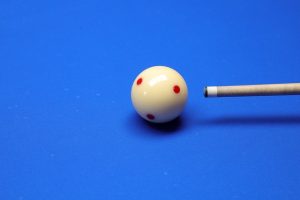
Mark Twain was an enthusiastic billiards player and installed a table in his home. He reportedly spent considerable time playing and once described the game as a source of both recreation and intellectual challenge. For Twain, billiards wasn’t merely a casual pastime—it became part of his daily life and his public persona.
Do you have any surprisingly strange hobbies to add to this list? Tell us all about it in the comments!