
- Do you know about these killer bugs?
These killer bugs could really get you. Do you know about all of these insects?
- Asian Giant Hornets – Nicknamed “murder hornets,” their venom can cause
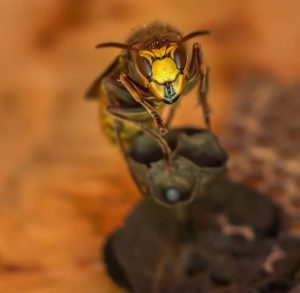 organ failure, anaphylaxis, and death, especially when stung multiple times. Swarms attacking humans can be lethal.
 - Scorpionflies (Certain Species) – While most are harmless, some produce venom that paralyzes prey, and in rare human encounters, allergic reactions can be life-threatening.
- Botflies – These tropical flies lay larvae under the skin of mammals, including humans. The larvae grow, burrow, and feed on living tissue, causing infections that can be lethal if untreated or in immunocompromised individuals.
- Botfly Larvae (Dermatobia hominis) – The human botfly lays eggs on mosquitoes or flies, which then transfer larvae into skin. Severe infestations can lead to infection and sepsis, sometimes fatal if neglected. Did you know about these as killer bugs?
- Assassin Bugs – A predatory insect that can transmit Chagas disease, but some species also inject neurotoxins into prey, and rare human reactions can lead to fatal complications.
- Centipedes (Giant Species) – Some large tropical centipedes inject venom that destroys tissue and can trigger severe systemic reactions, occasionally leading to death.
- Fleas – Fleas were responsible for spreading the bubonic plague, which killed millions during the Middle Ages. Fleas feed on blood and can transmit Yersinia pestis bacteria, capable of rapidly killing infected humans without antibiotics.
- Paper Wasps – Their venom contains neurotoxins. While typically non-lethal, multiple stings can cause anaphylactic shock and death in sensitive individuals.
- Ticks (e.g., Deer Ticks) – Ticks transmit Lyme disease, Rocky Mountain spotted
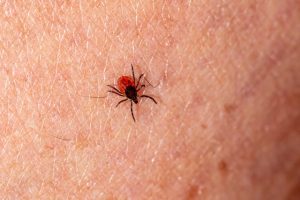 fever, and other pathogens. Untreated infections can result in organ failure or death. Did you know about these as killer bugs?
 - Bullet Ants – Found in Central and South America, these ants deliver a sting described as excruciating and debilitating. While rarely fatal, their venom can trigger allergic reactions or shock, which can be deadly.
- Sand Flies – Transmit Leishmaniasis, a parasitic disease that attacks internal organs. In severe cases, the disease can be fatal if untreated.
- Blister Beetles – Secrete cantharidin, a toxin that can cause blisters, kidney failure, and death if ingested accidentally, often contaminating food supplies.
- Termites – Rarely lethal directly, but in tropical regions, termites destroy wooden structures, indirectly causing human deaths from collapsing buildings and fires. Did you know about these as killer bugs?
- Mosquitoes – The deadliest animals on Earth. They transmit malaria, dengue, Zika, yellow fever, and West Nile virus, collectively killing hundreds of thousands of people every year. Their bites may seem harmless, but mosquitoes are silent assassins.
- Midges and Blackflies – Some transmit river blindness (Onchocerciasis) or other parasites that can cause blindness or death over years of infection.
- Army Ants – They attack in coordinated swarms, capable of killing small
 mammals and birds, and occasionally humans if trapped without escape.
 - Kissing Bugs (Triatomine bugs) – These bugs transmit Chagas disease through their feces, which can enter the bloodstream through the bite. Chronic infection can damage the heart and digestive system, leading to death years later.
- Tsetse Flies – Found in sub-Saharan Africa, they transmit Trypanosoma parasites, causing sleeping sickness, which can be fatal if untreated. The bite can also become infected, and the disease progressively destroys the nervous system.
- Flesh Flies – Feed on decaying or living tissue and can cause myiasis, where larvae infest wounds, leading to dangerous infections that, if untreated, can be deadly.
- Africanized Honey Bees – Known as “killer bees,” they are extremely aggressive and attack in swarms. Multiple stings can deliver lethal doses of venom, especially to children, elderly, or allergic individuals.
Do you know about all these killer bugs? Tell us the scariest one in the comments!