
- Have you ever been on a fishing charter?
A fishing charter on the ocean is different from a day of fishing on the lake. What do you think?
- Safety equipment like life jackets, radios, and emergency beacons are required onboard.
- Fish finders can display underwater structures like reefs and shipwrecks.
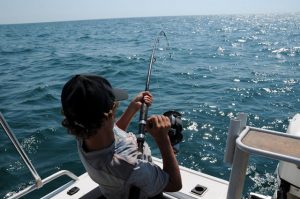
- Certain fish, like tarpon, are known for dramatic jumps and intense fights.
- Motion sickness is one of the biggest challenges for first-time charter guests.
- Some fish caught on charters have razor-sharp teeth or powerful jaws.
- Charter boats must follow strict regulations to avoid overfishing and protect marine life. Do you think you’d be up for a fishing charter?
- A skilled captain can predict fish behavior based on tides, moon phases, and water temperature.
- Catch-and-release practices are common to protect fish populations and ecosystems.
- Fishing licenses are often included in the charter price, simplifying the process for tourists.
- Charter crews often act as coaches, teaching beginners how to fight and reel in powerful fish.
- Seasonal migrations determine what species you can catch at different times of year.
- Experienced anglers often book private charters for a more customized experience.
- Some trips focus on fly fishing, requiring precision and skill rather than heavy gear.
- Some luxury charters include air-conditioned cabins, gourmet food, and premium gear. Do you think you’d be up for a fishing charter?
- Certain charters target sharks, offering anglers the chance to catch apex predators.
- Every trip is different—no two fishing charter experiences are ever exactly the same.
- Kids and beginners can participate, making charters a popular family activity.
- Many boats use GPS coordinates passed down for generations—secret “honey holes” known only to a few captains.
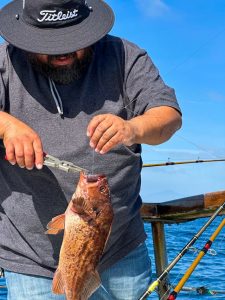
- Tournament charters compete in high-stakes fishing competitions with large cash prizes.
- Charter crews are trained to handle hooks, lines, and even dangerous species safely.
- The modern fishing charter industry grew rapidly in places like Florida, where year-round fishing attracts tourists from all over the world.
- Some captains have decades of experience and know the ocean like a map.
- Many charters clean and fillet your catch right on the boat.
- Charter captains often rely on advanced tech like Sonar to locate fish schools beneath the surface. Do you think you’d be up for a fishing charter?
- Some charters guarantee fish—or offer a discount if you don’t catch anything.
- Some trips last just a few hours, while others span multiple days in open ocean.
- Weather can change everything—calm seas can turn rough quickly, making trips unpredictable.
- Some charters specialize in night fishing, targeting species that only come out after dark.
- Deep dropping can reach depths of over 1,500 feet—where sunlight barely exists.
- Live bait is often caught at the start of the trip before heading offshore.
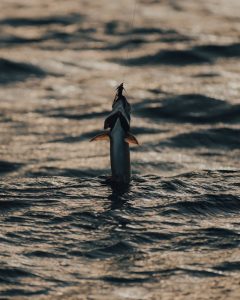
- Some deep-sea charters go over 100 miles offshore in search of massive fish like marlin and tuna. Do you think you’d be up for a fishing charter?
- The Gulf of Mexico, near Tampa, is famous for grouper, snapper, and tarpon fishing.
- Fishing charters contribute significantly to local economies in coastal towns.
- Big game fishing charters sometimes hook fish that weigh more than the passengers.
- Shipwrecks often become hotspots for fish due to shelter and food availability.
With all these details, would you be up for trying a fishing charter? Tell us something that surprised you in the comments!