
- Did you know pink was originally a color for boys?
Do you know about these fascinating fashion facts? Like why Egyptians really used makeup in the first place? (Hint: as protection.)
- While extreme corsetry existed, most historical corsets were designed for posture support rather than waist-slimming. Many women found them
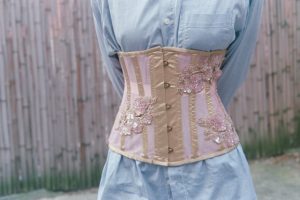 comfortable, similar to modern bras. (Sorry but what women “wants” to wear or thinks that bras are comfortable? Just saying.)
 - In 17th-century Europe, wigs were popular partly because they concealed hair loss caused by syphilis. They were large powdered wigs that were looked at as symbols of wealth, hygiene, and social standing.
- T-shirts were originally worn as undergarments by soldiers and laborers before becoming acceptable outerwear in the mid-20th century. At first, they were for working men and too casual to wear as clothing.
- Synthetic fabrics changed everything with the invention of nylon during World War II. It revolutionized fashion, making clothing cheaper, stronger, and more accessible.
- The bikini debuted in 1946 and was named after Bikini Atoll, where nuclear tests were being
 conducted. Designers wanted the swimsuit’s impact to be “explosive.” What do you think of this as one of the fascinating fashion facts?
 - In ancient China, foot binding reshaped women’s feet as a beauty ideal and status symbol.
- The color purple was incredibly expensive in ancient times because it was made from crushed sea snails. Thousands of snails were required to produce a small amount of dye, making purple clothing exclusive to royalty and the elite.
- Ancient Romans used clothing folds to indicate citizenship, age, and political rank.
- High heels were first designed for Persian cavalry in the 10th century to help riders secure their feet in stirrups. European aristocratic men later adopted heels as a look of power and status before they became associated with women’s fashion.
- Fashion houses once destroyed unsold items to protect exclusivity and brand image.
- Men once wore skirts far more than women, historically. What do you think of this as one of the fascinating fashion facts?
- Although invented in the 1890s, zippers weren’t widely accepted until the 1930s. Early versions were unreliable and many people distrusted them, believing buttons were safer and more respectable.
- Leather tanning was once considered a low-status, foul-smelling profession.
- Before mass media, fashion trends were dictated almost entirely by royal courts. When a monarch changed styles, the elite copied them, and trends slowly filtered down to the rest of society. (Very slowly.)
- Blue jeans were created by Levi Strauss in the 1870s for American gold miners who needed
 durable clothing. The rivets were added to prevent pockets from tearing under heavy use. What do you think of this as one of the fascinating fashion facts?
 - Clothes once defined your profession instantly. In many historical periods, clothing clearly identified your job, such as priests, soldiers, or tradespeople.
- In Renaissance Italy, slashed sleeves exposed expensive underlayers, showing off wealth.
- Egyptians used eyeliner not just for beauty but to protect their eyes from sun glare and infections. Both men and women wore cosmetics daily. What do you think of this as one of the fascinating fashion facts?
- In the early 20th century, pink was considered a strong, masculine color suitable for boys, while blue was seen as delicate and appropriate for girls. This gender association reversed after World War II.
- In the late 19th century, feathered hats were so popular that entire bird species were nearly wiped out. This led to early wildlife conservation movements.
- Buttons existed centuries before buttonholes. For a
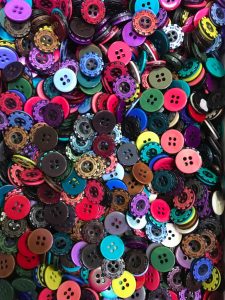 long time, they were used purely as decoration and status symbols rather than as functional fasteners.
 - The beret became politically charged through association with revolutionaries and resistance movements.
Did you know all these fascinating fashion facts from the past and present? Tell us your favorites or something we don’t know in the comments!