
- Dickens sure loved his work that earned him very little money.
Today marks the 180th anniversary of a little novella hitting the bookshelves in London. It was called A Christmas Carol, written by one Charles Dickens, and it had a lasting impact on what we consider as the Christmas Spirit.
Well, except it wasn’t called that. The story’s original title is (needlessly) a lot longer.
That’s just one of the fun facts about A Christmas Carol we have for you to celebrate Dickens’ Holiday season masterpiece. These are no humbug!
1. The Story Wasn’t Originally Called A Christmas Carol
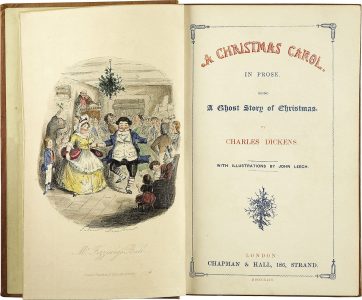
As we already spoiled you (sorry for that) the original title of A Christmas Carol wasn’t A Christmas Carol. Alright, it was, but it was also a bunch of other stuff.
The story’s original title was A Christmas Carol. In Prose. Being a Ghost Story of Christmas.
It appears Dickens wanted to be absolutely, perfectly clear about what the reader could expect from the novella. He really needed to highlight that it’s not a poem and that the story has ghosts in it.
Maybe these were important things to underscore in Victorian England.
2. Scrooge Only Says ‘Bah, Humbug!’ Twice
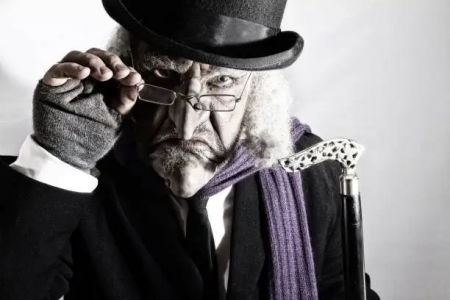
Oh, Ebenezer Scrooge, you’re such a… Scrooge. With your surly attitude and going, “Bah, humbug!” at every little thing.
In reality, though, he doesn’t. In the original story, Scrooge only mumbles his famous catchphrase twice.
Maybe that’s why we remember it so well. The rude dismissal wouldn’t have made such an impact if Scrooge had ended all of his lines with it — it would’ve just turned into a joke.
3. A Christmas Carol Was an Instant Bestseller…
A Christmas Carol was a hit as soon as it appeared on the bookshelves of Chapman & Hall on December 19, 1843. The 6,000 copies of the first edition sold out before the Christmas Eve of that year.
By the end of 1844 — that is, only about a year later — the book had already gone through 13 editions. And that’s without counting all the illegal printings.
A short-ish story short, everybody loved A Christmas Carol from the start, from nice kids to the most grumpy, Scrooge-y critics.
4. …That Made Dickens Barely Any Money
Despite the book’s instant success, Dickens made next to no money from it. That must’ve sucked for him, considering he wrote the story under significant financial hardship.
The low profits were partly his own fault, though. Dickens wanted his books to look good, so he went for expensive cover materials, top-notch stitching, full-color illustrations, and the best paper, which ate into his profits.
Another reason were the illegal printings Dickens’ publisher kept churning out. The good news there is that Dickens successfully sued them — the bad news is that the court case bankrupted the publisher and further reduced Dickens’ income.
5. It Took Six Weeks to Write A Christmas Carol…
As Dickens was writing the story under quite a few money woes, it’s no wonder that he wrote it quickly. After all, the sooner he gets something on the shelves, the sooner he can start making money from it.
Dickens churned out the story in only six weeks, mostly coming up with it while taking hours-long walks in London. It’s a testament to his skills, though, that the rushed schedule didn’t affect the quality of his story.
6. …And Another Six Weeks for It to Become a Stage Play
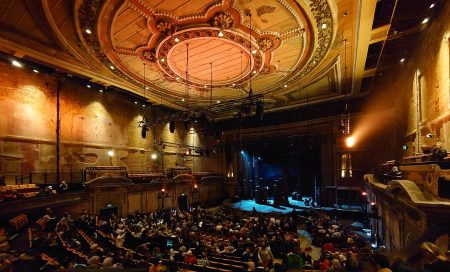
There’s another significant six-week period that relates to A Christmas Carol. That’s the time it took from its first publishing before it was adapted to the stage.
In other words, A Christmas Carol was playing in London by the end of January 1844. After 40 shows, it headed off to New York — making the play an international sensation.
Fast forward to the end of 1844 and there were eight competing stage productions of A Christmas Carol running in London. People just couldn’t get enough of this story.
7. Dickens Himself Gave the First Public Reading of the Book
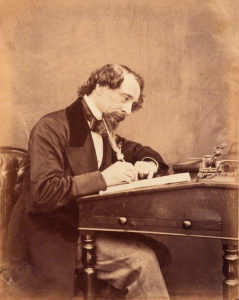
Although the stage productions weren’t based on Dickens’ book, they weren’t the exact same story (more on that later). The first public reading of the original, Dickens-written story was done by the man himself in 1894.
The audience loved hearing the story read by its author. Clearly, Dickens loved performing it too, because he repeated the reading only three days later.
Dickens would go on to read the story in public a total of 127 times before he died in 1870.
8. The Version You Know Probably Comes from the Stage
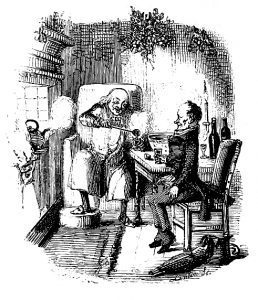
Think about the version of A Christmas Carol you remember. Does Scrooge show up at Bob Cratchit’s household to deliver him and his family a turkey?
If so, you’re familiar with the stage version of the story, as are most people. In the original novella, Scrooge doesn’t bring the turkey to Cratchit, instead choosing to send it anonymously through the mail.
There are a couple of other small differences like this in most stage versions. They don’t change the overall story, but they could throw you off if your favorite scene suddenly doesn’t show up!
9. A Christmas Carol Has Been Adapted to More Than 20 Movies
It’s no shame if you only know A Christmas Carol from the stage — or any of the movies based on those stage performances. In fact, the story has been filmed at least 23 times, and that’s just the theatrical live-action versions.
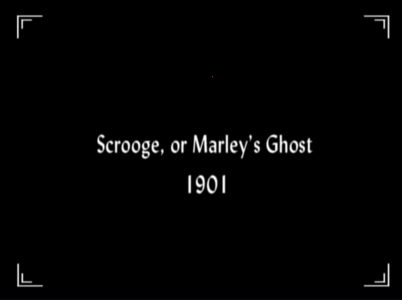
The first movie based on A Christmas Carol came out in 1901. That adaptation changed the title to Scrooge, or Marley’s Ghost, starting the trend of A Christmas Carol movies focusing more on the character of Scrooge.
10. A Christmas Carol Changed How We Think of Christmas
A Christmas Carol had a very real impact on how people in Victorian England and today celebrate Christmas. Immediately after its publishing, charitable holiday season donations skyrocketed in England.
The story had changed the hears of actual real-life Scrooges.
Yet, there’s a smaller, but maybe more significant change that also took place. That’s the use of the greeting, “Merry Christmas.”
Sure, the greeting far predates A Christmas Carol. But it’s a verified fact that its repetition in the story made using the phrase much more popular.