
- The fear of getting buried before you’re dead is as long as human history.
Getting buried prematurely is one of the most common fears among people worldwide. This phobia has inspired horror stories, but it has occasionally also turned into a horrible reality.
Throughout history, people have often resorted to outlandish methods to prevent premature burial. And although modern medical checks have virtually eliminated this issue, some of them are still used to this day.
Here are 8 odd ways people have employed to avoid getting buried alive.
1. Calling the Doctor

It seems obvious to us today, but having a medical professional evaluate whether somebody is really dead is a relatively modern invention. It didn’t become the norm until the late 19th century. For instance, New York passed legislation in 1899 that required a doctor to verify a person’s death.
One of the reasons this wasn’t done earlier was that, well, there were no medical professionals. Even the most skilled doctor of earlier periods couldn’t really do much more than listen for a heartbeat, which were things anyone could do.
2. Breathing Tests

The dead don’t breathe, so one of the most common ways to evaluate whether a person was gone was to see if they still drew breath. How that was done, however, could make this method wildly inaccurate.
Perhaps the earliest way to check for breath was to place a feather or a strip of similarly light fabric near the supposedly deceased’s nose and mouth. The problem here is that a faint breath could be mistaken for ambient air, making the feather flutter.
A slightly more reliable way was to see if a mirror placed over the mouth fogged up with condensation from breathing. There are also records of doctors filling a glass or container with mercury and placing it on the body’s chest. The idea was that any breathing or heartbeat would disturb the mercury.
3. Safety Coffins
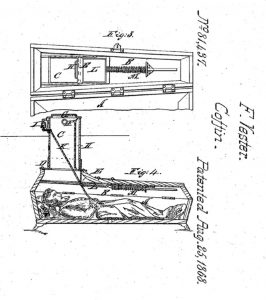
Here we have perhaps the most famous method of preventing premature burial: safety coffins. Becoming common in the 18th and 19th centuries, they utilized various methods to allow an accidentally buried person to call for help from the grave.
All designs featured air tubes that would let the buried person breathe. The most typical designs combined this with some kind of noisemaking device that would tell people to dig the coffin back up. These ranged from bells hooked to a string to rattles you could crank from the coffin.
Safety coffins have since fallen out of vogue, but they’re not completely gone. For instance, in 1995, an Italian inventor patented a safety coffin featuring modern technologies, like a heartbeat monitor and a radio intercom system.
4. Pinpricks
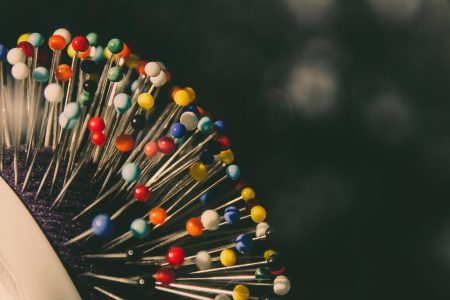
A dead person doesn’t feel pain anymore, so inflicting some kind of mild injury was considered an effective method of checking for death. Usually, this was done by stabbing the body with a needle or small pin.
The death-checking prick was usually performed on the fingers or feet. One prevailing theory was that even if a person didn’t react to the stab, a pinprick on a living body would turn red and close up immediately. On a corpse, it would supposedly leave an open, colorless hole.
A more brutal method was to stick pins under the corpse’s fingernails. In extreme cases, some people requested a long needle be stabbed into their hearts to really make sure they were dead as a doornail.
5. Mutilation
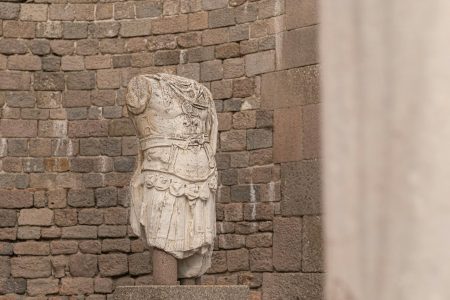
Some people didn’t think simply being staked through the heart was good enough to verify their death. Instead, they might ask for their body to be hacked apart in one way or another.
For instance, English doctor Francis Douce recorded cutting out the hearts of two recently deceased people. Curiously, both individuals paid Douce handsomely for the post-mortem surgery.
Another way to ensure death was to decapitate the corpse. As late as 1927, Englishman James Mott’s last will and testament required that doctors chop off his head to ensure he was dead before being buried.
6. Administering Poison

Poisoning is another way to help a supposedly dead person become a really dead person. Various substances have been employed throughout the ages to ensure people have moved on before burial.
Some popular options have included belladonna, cyanide, morphine, and strychnine.
To make a distinction between this practice and euthanasia, the poisonous death check wasn’t really meant to kill a living person. The doctors at the time already assumed they were dead — the poison’s purpose was really to prevent a misdiagnosis.
7. Waiting for Decomposition
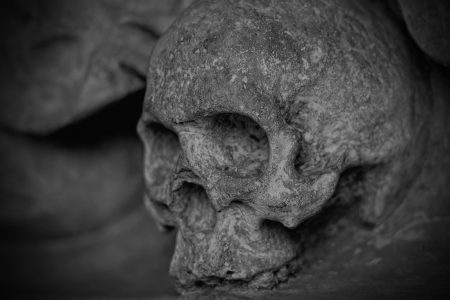
If you have no other method available, you could always just leave your deceased loved one to decompose for a while. That will certainly make sure they’re dead, although the results won’t be particularly pretty.
This method has been used throughout human history. For instance, ancient Romans would wait for a week before starting a funeral so the family of the deceased could be certain they were dead. It’s still part of some funeral practices to this day.
As most of these practices do, however, waiting for signs of decay reached its peak in the Victorian era. In Europe, people would build entire “waiting mortuaries” that were, in practice, simply huge facilities housing rotting corpses to ensure they really were deceased.
8. A Message from Beyond
Perhaps the strangest method to prevent premature burial ties into the previous one. It allowed the corpse to send a message from beyond the grave to inform people of its death.
A doctor, or sometimes a person’s loved one, would write a message on a pane of glass using silver nitrate. The message could be something as simple as, “I’m dead,” or something more poetic. The glass pane would then be placed on a dead body lying on a slab.
The writing would be invisible under normal circumstances. However, if the person truly was dead, the decomposition process would release hydrogen sulfide, which would tarnish the silver nitrate.
So, if the person was dead, they’d inform everybody by the message written on the glass.