
- Beyond beautiful, they are so much more.
Do you think you know these facts about chandeliers? If there’s something missing, tell us about it in the comments!
Chandeliers date back to medieval times, with the earliest versions appearing in churches and castles around the 14th century. These early chandeliers were typically made of wood and held candles. By the 18th century, crystal chandeliers became prominent, especially in Europe, where glassmaking advancements allowed for more elaborate designs. Today, chandeliers are used in homes, hotels, event venues, and public buildings worldwide.
In terms of size, chandeliers vary greatly. Residential chandeliers typically range from 20 to 40 inches in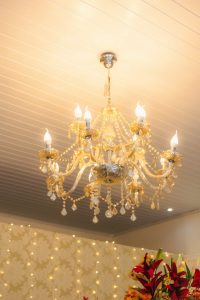 diameter, while large commercial chandeliers can exceed 10 feet in width and height. Some of the largest chandeliers in the world, such as those found in luxury hotels or mosques, can weigh several tons and contain thousands of individual light sources or crystals. Did you know these facts about chandeliers?
Lighting capacity is another important statistic. A standard home chandelier usually contains between 3 and 12 light bulbs. Larger or more decorative models can have 20, 50, or even over 100 bulbs. With the transition to LED technology, energy consumption has significantly decreased. Modern LED chandeliers can use up to 80% less energy compared to traditional incandescent bulb models.
The global lighting market provides additional context. As of recent estimates, the global decorative lighting market is valued at over $30 billion, with chandeliers accounting for a notable segment of that total. The demand for chandeliers has grown steadily, particularly in emerging markets where urbanization and luxury housing developments are increasing.
Materials used in chandeliers also vary widely. Crystal chandeliers remain among the most expensive, with high-end models costing anywhere from $1,000 to over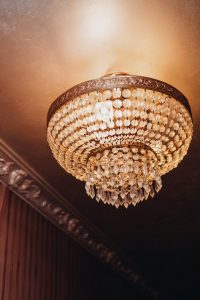 $100,000. On average, mid-range chandeliers for residential use cost between $150 and $1,500. Materials include glass, metal, acrylic, brass, and even recycled components in modern eco-friendly designs. Did you know these facts about chandeliers?
Installation height and placement follow certain guidelines. For dining rooms, chandeliers are typically hung 30 to 36 inches above the table. In entryways or foyers with high ceilings, chandeliers may hang 7 feet or more above the floor. Improper installation height is one of the most common issues reported in interior lighting design.
Maintenance is another measurable factor. Crystal chandeliers often require cleaning every 6 to 12 months to maintain their sparkle and light efficiency. Dust accumulation can reduce brightness by up to 30%. Professional cleaning services for large chandeliers can cost between $200 and $2,000 depending on size and complexity. Did you know these facts about chandeliers?
Chandeliers are also linked to real estate value. Homes with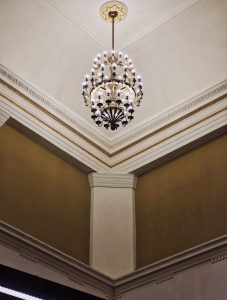 updated or designer lighting fixtures, including chandeliers, can see a perceived value increase of up to 5% in certain markets. In luxury properties, statement chandeliers are often considered key design features.
Finally, trends show that modern chandeliers are shifting toward minimalist and geometric designs. Sales of contemporary chandelier styles have increased significantly in the past decade, reflecting changing consumer preferences.
Overall, chandeliers combine aesthetic appeal with measurable design, economic, and functional statistics, making them an important element in both historical and modern lighting design.
Did you know all these facts about chandeliers? Tell us what you thought in the comments!