
- Lost but not lost? Sounds like our type of place...
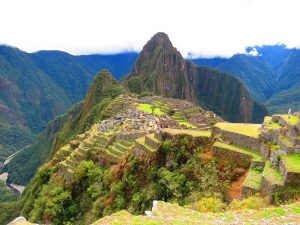
Shrouded in mist and legend, Machu Picchu soars high in the Peruvian Andes, a marvel that draws travelers from every corner of the world. While its iconic silhouette has come to define the Inca legacy, this ancient citadel disguises profound mysteries, ingenious engineering, and natural beauty beneath its postcard exterior. Beyond the classic views, here are the surprising facts that make this place truly extraordinary.
1. It Was Never Truly “Lost” to the Locals
While American historian Hiram Bingham III is credited with bringing Machu Picchu to international attention in 1911, the “Lost City of the Incas” was never forgotten. Local communities in the Urubamba Valley had always known of its presence. In fact, it was a Quechua-speaking farmer, Melchor Arteaga, who led Bingham to the overgrown ruins. The romantic myth of its “discovery” overlooks centuries of continuous Indigenous knowledge.
For those seeking to walk in Bingham’s footsteps, an exclusive Machu Picchu package honors both the history and the journey. Journey with purpose aboard The First Class, luxury travel that transforms the Andean passage into the experience itself.
2. Its Construction is a Seismic Masterpiece
The Inca civilization built Machu Picchu directly atop two fault lines. This was not a mistake but a stroke of genius. The Inca used the naturally fractured rock to quarry their granite blocks more easily and constructed intricate drainage systems to handle rainwater.
Furthermore, their signature ashlar masonry, stones cut to fit together without mortar, is designed to “dance” during earthquakes, settling back into place after seismic activity. This incredible Inca ingenuity is a primary reason the structures stand today.
3. The Purpose Remains a Mystery
Contrary to popular belief, there is no consensus on Machu Picchu’s primary function. Theories abound: it was a royal estate for the emperor Pachacuti Inca Yupanqui, a religious sanctuary due to its alignment with celestial events, a ceremonial center, or a strategic trading hub.
The presence of the Temple of the Sun, Temple of the Three Windows, and Intihuatana stone supports a spiritual role. Meanwhile, its remote location and agricultural terraces suggest a private retreat.
4. You Can Hike More Than Just the Classic Inca Trail
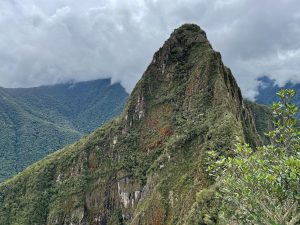
The famed Inca Trail is just one of several ancient paths to the citadel. The Salkantay Trek, named for the sacred Salkantay mountain, offers a more rugged alternative. For breathtaking aerial views, the hike up Huayna Picchu (the young peak behind the ruins) or the longer Machu Picchu Mountain climb is unforgettable.
Given the altitude and terrain of these hikes, securing comprehensive travel insurance is essential. The original entrance for pilgrims was through the Sun Gate (Inti Punku), which frames the first dramatic view of the city at sunrise.
5. It’s Part of a Vast Archaeological Network
Machu Picchu is not an isolated wonder. It is interconnected with other Inca sites across the region via an elaborate network of trails. It’s believed the Inca may have conceptually linked it to the spiritual birthplace of their civilization at Lake Titicaca. Nearby, lesser-visited gems like the Temple of the Moon, hidden in a cave on the back of Huayna Picchu, showcase the extent of the build-out in this cloud forest.
6. The Stones Tell a Story of Sophisticated Engineering
The Inca style of construction is unparalleled. They used bronze and stone tools to shape massive granite blocks, some weighing over 50 tons, with astonishing precision.
The technique evolved over time; earlier structures at sites like Ollantaytambo show more irregular stones, while Machu Picchu represents a zenith of skill. Many stones feature knobs that may have been used for handling or as symbolic representations of the Inca Cross (Chakana).
7. It Was Abandoned, But Not by War
Machu Picchu was likely constructed around 1450 and abandoned just over a century later, around the time of the Spanish conquest. Notably, the Spanish conquistadors never found it, so it did not fall to invasion.
The most plausible theory is that its inhabitants left to join fights for the Inca Empire or due to the spread of European diseases. The last rebel Inca leader, Tupac Amaru, was captured not far from here.
8. It’s a Biodiversity Hotspot
This UNESCO World Heritage designation also protects a rich ecosystem. Perched in a cloud forest, the site is home to endemic species like the Spectacled bear (the inspiration for Paddington) and the majestic Andean condor. The Agricultural terraces were not just for crops but also served as a massive laboratory for cultivating diverse plant species in a microclimate.
9. It’s Younger Than You Think
While the Inca Empire seems ancient, Machu Picchu’s heyday was contemporaneous with the European Renaissance. At its peak in the 15th century, the Inca Empire was the largest in the world, rivaling the contemporaneous Roman Empire in scale and organization. Machu Picchu is a relatively late construction within the roughly 300-year span of the Inca imperial period.
The Bottom Line
Machu Picchu is a testament to a sophisticated civilization’s harmony with a dramatic environment. From its strategic construction on fault lines and its role as a center of spirituality and science, to its status as a living architectural wonder and biodiversity haven, every stone has a story. Whether you arrive via the classic trail or explore its quieter corners, understanding these layers transforms a visit from a simple photo opportunity into a profound journey through the heart of the Inca world.