
- Would you brush your teeth with mouse skulls, volatile acids, or human pee?
Keeping your teeth clean is important. Not only does it prevent tooth decay, but it also keeps your breath from stinking like a rotten carcass.
Brushing your teeth is a cinch with modern electric toothbrushes and advanced toothpastes. You can’t help but feel bad for the folks of the past who didn’t know how to clean their teeth.
Right?
Actually, people have always understood the benefits of good dental hygiene. Even if they didn’t understand the connection between bacteria and cavities, they sure knew that nobody likes halitosis.
That said, their methods were… Unusual by modern standard. Let’s take a trip through the history of cleaning your teeth, from prehistory to modern day.
1) Chewing Sticks and Rough Food

Way, way, WAY back in the day, the only tools people had were sturdy sticks. As such, it’s no wonder that the earliest tooth-cleaning implements were sticks.
The most obvious way to clean your teeth with sticks is to use them as toothpicks. However, people would also chew the ends of sticks and grasses until they frayed. Doing so would scrape food and gunk off of their teeth, helping to keep them clean.
That said, a big part of ancient dental care was the food they ate. Unlike modern foods, which are very fine and mushy, ancient people consumed roughly ground and tough foods that scraped their teeth clean as they ate (until they ground their teeth down altogether).
2) Egyptian Ghastly Tooth Powder

Ancient Egyptians were big on fashion and makeup, so it only makes sense that they looked after their teeth, too. Their method of choice was to prepare abrasive powders that they rubbed on their teeth.
These powders often consisted of a vinegar base, into which various rough materials were mixed. They could include stuff like pumice stone or burnt and crushed eggshells.
That said, they also used more morbid abrasives. Would you clean your teeth with ground up ox hooves or powdered mouse skulls?
3) Ancient Greek Chewing Gum

Chewing gum, as we know it, is definitely a modern creation, but the concept of freshening up your breath by chewing something is probably as old as teeth themselves. The Ancient Greek also liked to chew gum while laying the groundwork for Western civilization.
Their chewing gum, however, consisted of mastic. It would pick up food stuck to people’s teeth, and it produced a refreshing scent to combat foul breath.
4) Rome’s Pee Mouthwash

When in Rome, do as the Romans do. Except when it comes to dental hygiene.
Now, Ancient Romans did continue using abrasive powders similar to those found in Egypt. However, they also kept their teeth clean by swishing a revolting mouthwash consisting entirely of human urine.
Pee contains ammonia, so it does actually work to reduce the numbers of bacteria in your mouth. You’ll just have to get over the idea of gargling piss.
5) Minty Goodness in China

While Romans were swishing pee, the Chinese were all about freshness. They wanted their tooth-cleaning concoctions to both freshen their breaths and taste good.
Recipes for tooth cleaning methods found in old Chinese texts include ingredients like salt, ginseng, and mint. They may have tasted a bit something like modern minty toothpastes
6) Medieval Europe’s Luxurious Acid
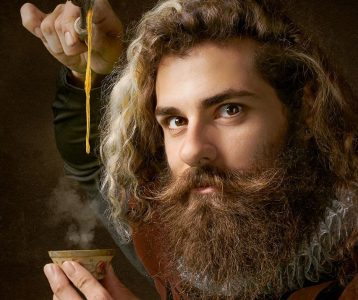
With the collapse of Rome, their ways of tooth cleaning were forgotten (fortunately). People still did clean their teeth, but the methods had become more primitive. Most people would scrape their teeth with pieces of burnt bread or a rag dipped in salt and vinegar.
Things were different if you were rich, though. They could hire apothecaries to prepare fancy tooth powders from ground spices, abrasives like crushed crab shells, and a bit of wine for flavoring.
They could also ask an alchemist to prepare some aqua fortis — which is what they called nitric acid. It sure did dissolve anything stuck to the nobles’ teeth, along with the teeth themselves.
7) Post-Renaissance Dental Neglect
It seems that after the Renaissance, cleaning your teeth fell out of fashion. From the 17th century onward, people kind of stopped doing it.
That, combined with a higher availability of foodstuffs like sugar, made sure cavities and missing teeth were the norm. Case in point, George Washington and his funky dentures.
Perhaps the Renaissance-era tooth cleaning methods had something to do with why people didn’t want to clean their teeth anymore. For instance, in the court of Queen Elizabeth, courtiers would whiten their teeth with bird poop.
8) Victorian Tooth Powder Resurgence
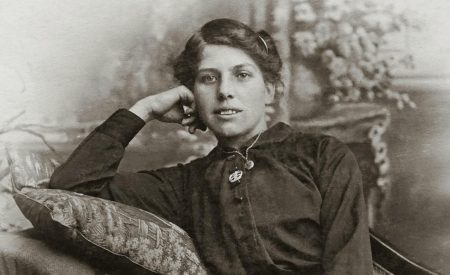
Come the 19th century, folks decided that having clean teeth was nice, after all. Tooth powders of various kinds made a comeback — but some of them did more harm than good.
Most people would make their own tooth powders with ingredients like water, soap, and powdered brick. Sounds like it’d be rough on your teeth, but it was a better option than buying one of the patented tooth-cleaning solutions from a snake oil salesman.
They could include anything from tobacco to cocaine and various acids. We suppose getting your clients hooked on addictive substances is one way of ensuring they’ll come back for your tooth powder.
9) Early and Strange Toothpastes
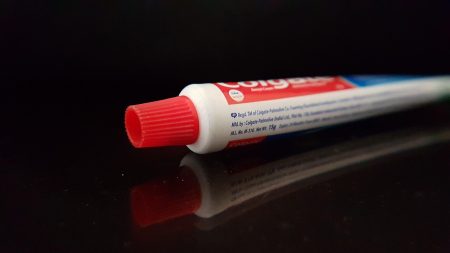
After World War I, toothpaste began to surpass powders in popularity. Chemists made great strides in formulating them, adding things like fluoride to take care of people’s teeth.
That said, it was still a bit of a Wild West in terms of what got mixed into the early toothpastes. For instance, tooth-whitening pastes could include so much hydrogen peroxide that it damaged your gums.
10) Modern Weirdness
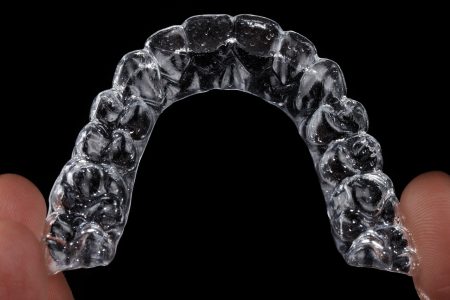
Today, we have easy access to toothpaste, toothbrushes, and mouthwash. Yet, people are still coming up with strange new ways to clean teeth.
Take, for example, UV tooth whitening, which uses a gel and UV light to turn teeth whiter. This process is more or less safe when done by professionals, but there are also home UV kits that have damaged people’s teeth and gums when used improperly.
And then there are 3D printers that can churn out aligners and entirely new teeth, modeled after a person’s own chompers, using hard dental resins. That, or they could be used to make tooth crowns for tooth tattoos.