
- There are animals out there that have watched humans go from caves to the moon.
When a person turns 100 years old, it’s a cause of great celebration. And there’s reason to party, since getting to celebrate your centennial is quite an achievement.
For a human being, that is.
There are animals in the world that would consider even the oldest human a young whippersnapper. What’s weird, though, is that many of the longest-living creatures on the planet are not at all what we would usually associate with longevity.
Here are X animals that regularly reach triple digits in age (if they die at all).
8. Giant Tortoise (190+)
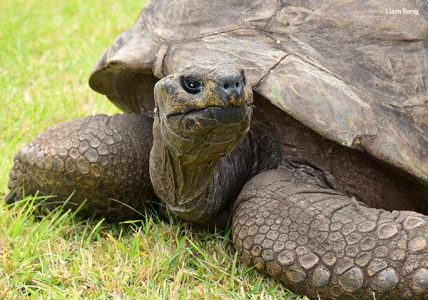
Slow and steady wins the race, they say. That is certainly through for giant tortoises, which are both the longest-living reptiles and the longest-living land animals at the same time.
When these lumbering giants pass the 100-year point, they should start experiencing a mid-life crisis. If they could do such things, we’re certain you’d see them buying motorcycles or changing careers into something weird.
As to how long they can live, we only need to look at Jonathan. This Seychelles giant tortoise is currently 192 years old, and there’s no reason to think he’s the first of his kind to reach that age.
He also has a surprisingly active sex life, considering his advanced years.
7. Bowhead Whale (200+)
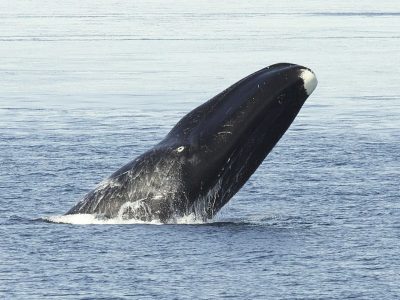
Moving over to mammals, give it up for the bowhead whale. These giants of the deep are the longest-living known mammals in the world.
Bowhead whales rival giant tortoises in longevity. Much like them, living to be 100 is nothing to them, and the oldest known bowheads have been above 200.
That said, there aren’t many such old whales, so most die while still in their 100s. Still, they can make it that far.
6. Rougheye Rockfish (200+)
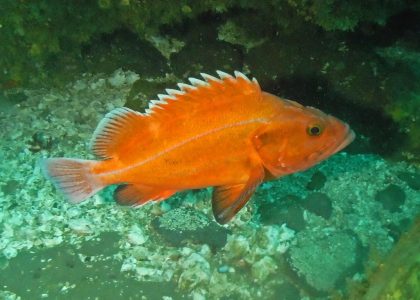
It seems 200 is some kind of a magic number for vertebrate species. Like giant tortoises and bowhead whales, the rougheye rockfish, one of longest-living fish species, also makes it to around their 200th year.
You might not think of the rockfish as having particularly long lives. Sure, they’re fairly big at 38 inches long, but otherwise it looks like a regular sea perch.
Yet, they can easily make it to the upper 100s and many even get to celebrate their second centennial.
5. Tube Worm (300+)
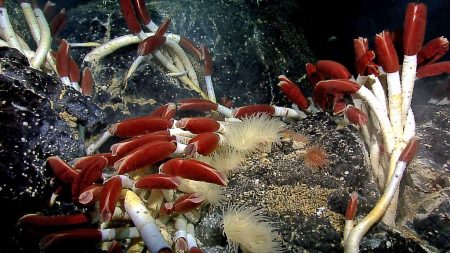
Tube worms are bizarre creatures. These creatures live immobile lives on boiling hot ocean-floor thermal vents, consuming chemical cocktails that are so toxic they’d kill virtually any other forms of life.
Considering what badasses tube worms are, it’s not that big of a surprise that they live for a long time. However, perhaps the longest-living is the species Escarpia laminate.
Living at depths of about 10,000 feet, these worms typically live to be more than 200. The oldest ones deep-sea researchers have found were more than 300.
Based on studies on their physiology, though, scientists think these worms may have the potential to live for a thousand years unless something external kills them.
4. Greenland Shark (Maybe 500+)
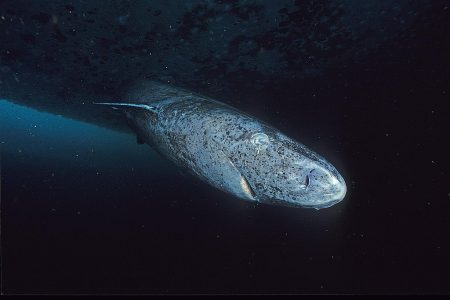
The Greenland shark is a huge deep-sea shark species, living the icy depths of the Arctic Ocean. In all likelihood, it is the longest-living vertebrate animal on the planet.
How long it lives, though, is a matter of some debate.
A few years back, a story went viral about a Greenland shark caught in (surprise) Greenland that was more than 500 years old. That, however, was a misunderstanding.
Estimating how old a shark is can be difficult, especially when they do live hundreds of years like the Greenland shark. Since it didn’t carry an ID showing its birthday, researchers estimated that it was anywhere between 390 to 510 years old.
Even at the lowest end of the estimate scale, these sharks are believed to live past 270 with ease. So, however long they actually live, it’s a long time.
3. Ocean Quahog Clam (500+)
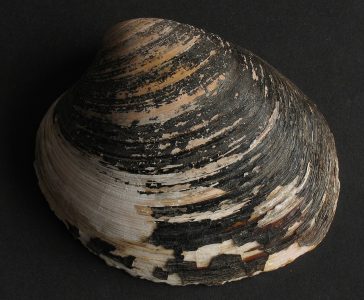
One animal that certainly does make it past 500 is the ocean quahog clam. You really wouldn’t expect that, considering they’re small for clams and are regularly harvested for human food.
Yet, once marine biologists started looking at the clams, they realized that they regularly live to be several hundred years old (unless someone eats them). The oldest one they’ve found so far is an individual that was 507 years old at the time of its demise in 2006.
When the clam was born in 1499, the Aztec Empire was at the height of its power, Henry VIII was but a boy only dreaming of decapitating his future wives, and Leonardo da Vinci was romping around Italy being an all-around genius.
Yet, the humble clam, named Ming after the ruling Chinese dynasty at the time of its birth, outlived them all.
2. Glass Sponge (10,000+)
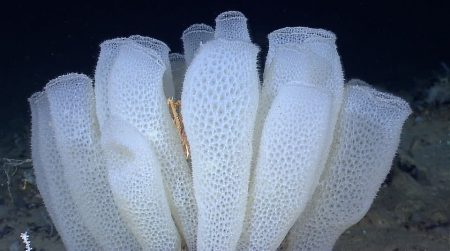
The glass sponge really stretches the definition of what it means to be an individual animal. These immobile seafloor-dwellers consist of a colony of organisms inhabiting the same glass-like skeleton.
That means they’re not individuals, right? Well, all the organisms in one shell are genetic clones of each other, so technically they’re all the same.
This is also the secret to the glass sponges’ extreme longevity. The single clones might die off, but they’re constantly being replaced by… Well, themselves.
As a result, the single glass sponge colony can live thousands upon thousands of years. The oldest we know of date back more than 10,000 years, which means they’ve been sitting at the same spot on the ocean floor since the last ice age.
1. Immortal Jellyfish (Still Counting)
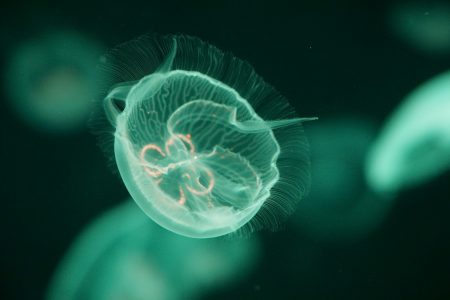
Finally, we have the Turritopsis dohrnii, better known as the immortal jellyfish. Nobody knows how long they live because no one has ever seen one die of old age.
When an immortal jellyfish gets on in years and hears the bells tolling, it doesn’t go gently into that good night. No — it tells the night to f*** off, flips up a middle-finger shaped tentacle, and then it turns back the clock.
Through a process called transdifferentiation, the jellyfish reverts all its cells back to its polyp stage, resetting their biological aging process. It’s the same as if a human being transformed back into a baby.
The jellyfish then begins its life anew, growing from polyp to mature jelly. And once the Grim Reaper starts catching up once more, it repeats this anti-aging process again, and again, and again.
Essentially, if nothing eats the jellyfish or it doesn’t die in some kind of accident, it will live forever and ever.