
- Here’s a parenting tip — don’t do it like pandas, cuckoos, or ants.
Taking care of children is hard, especially the first time. If you have a bouncing newborn baby at home, you might be on the lookout for any and all parenting advice you can get.
If your relatives, friends, and complete strangers haven’t already bombarded you with enough tips, you might turn to the natural world to see how animals care for their offspring. Some of them have been making babies much longer than humans, so they ought to know a thing or two about parenting.
Just be picky with what you learn from animals. They can be exemplary parents, but some critters are… Notably less so.
Here are seven animals whose parenting advice you should probably ignore (unless you really want a visit from the CPS).
1) Cuckoo: Make Parenting Someone Else’s Problem
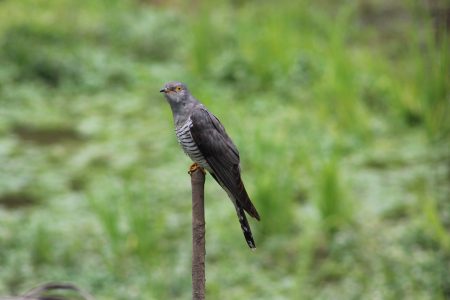
As we said in the first line, taking care of children is hard. The cuckoo bird has made it easier by making that whole “bringing your children up” part someone else’s problem.
When a mother cuckoo feels an egg is about to pop, she will go and find another bird’s egg-laden nest. She then chucks the eggs out and murders the unborn in cold blood, before laying her own egg (just one) in their place.
She then flies off, never giving her offspring another thought. But the most bizarre part is that the other birds will feed and care for the (typically several times larger) cuckoo hatchling like it’s their own.
Talk about bird brains.
2) Earwig: Practice Extreme Parental Favoritism
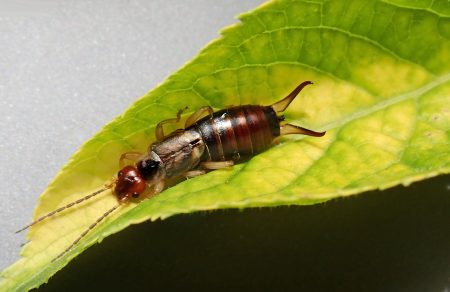
If you ask parents which of their kids they prefer, most will at least try to dodge the question. Not the earwig mother — she’ll tell you exactly which ones she likes.
An earwig’s egg clutch typically results in up to 60 nymphs. That’s too many babies to look after so the earwig mother just… Doesn’t.
She will go around sniffing the nymphs’ pheromones and chemical emissions to identify the strongest and healthiest ones. She’ll then lavish care and food on them and leave the lesser babies to fend for themselves.
Granted, she doesn’t go out of her way to kill them and will give them food if the superior babies are full. It’s really more of an “if they die, they die” situation.
3) Pipefish: Don’t Feed the Kids if the Mom’s Not Pretty
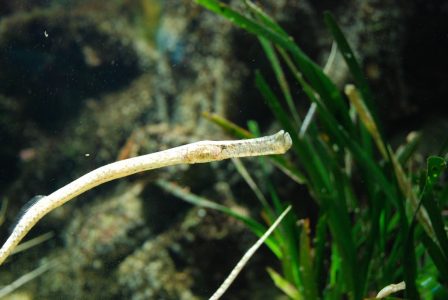
They say that looks don’t matter, but they often kind of do. Especially if you’re a male pipefish (a relative of seahorses).
Pipefish parenting is a bit unusual to begin with, as the male carries the eggs in a pouch on his belly until they hatch — essentially becoming pregnant. Sounds progressive, but once the babies hatch, the pipefish male shows he’s still a guy to the core.
If the babies are the offspring of an attractive (read, large-sized) female, the father goes out of his way to make sure they have all they need. But if the mother was smaller (and less hot by pipefish standards), the dad starts acting like a total deadbeat, only bothering to get food to the babies if there’s nothing good on the TV.
4) Ant: Drink Your Babies’ Blood
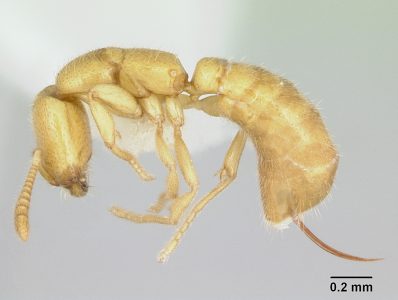
Many parents say that they love the smell of their baby. The Adetomyrma queen also relishes her offspring’s vital fluids.
The Madagascar ant queens and workers have been shown to bite holes into newborn larvae’s skin. They then proceed to drink their blood equivalent — for some reason.
Researchers aren’t sure why the ants do this, especially considering they can share bodily fluids in other ways. Guess getting your mom to bite a chunk out of you and slurp up your blood passes for affection among them.
5) Frog: Feed Your Babies Their Unborn Siblings
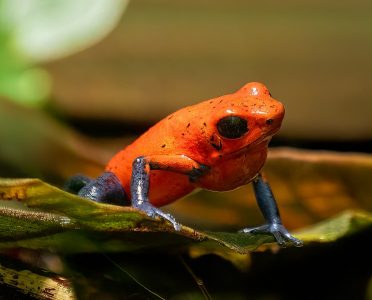
On the surface, it seems strawberry poison dart frogs take excellent care of their children. The mother carefully lays her fertilized eggs each in their own pool, and the father transports water to them (by sucking it into his butt).
However, there’s a reason why the frogs have to keep their kids separate. They’re so extremely cannibalistic that they are capable of eating only their siblings until they grow up.
The mother frog has a solution, though. She lays several unfertilized eggs into each pool after the tadpoles hatch so that they have an ample food supply.
This is the equivalent of a human mother feeding her baby embryos or her own period. We can’t decide which would be more disturbing.
6) Long-tailed Mabuya: Eat Your Kids Before Someone Else
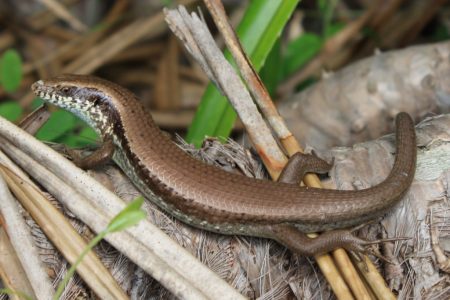
Like the above frogs, the long-tailed mabuya skinks living on the island of Lanyu initially seem like very caring mothers (as far as lizards go). They don’t leave their eggs to their own devices but stick around to make sure they’re safe.
Their idea of “safety” is a bit questionable, though. If the mother skink spots a predator approaching her egg clutch, she won’t try to chase it away.
Instead, she will promptly devour all of her eggs. Biologists believe it’s better for the mother skink to get the calories from her unhatched babies for herself so she has the energy to run away and try the motherhood thing another day.
“If anyone’s going to eat my tasty children, it’s going to be me!”
7) Panda: Always Abandon One Twin to Die

Pandas have this reputation of being cute, cuddly bamboo eaters. The reality, however, is that pandas are complete a**hole parents.
Female pandas virtually always give birth to twin cubs. However, if you see a panda mother in the wild, they always have only cub around.
Why? Because they intentionally abandon one of the twins to die.
After giving birth, panda mothers inspect the babies to see which one is healthier. The stronger cub gets picked up and cared for, while the other one is left there to die of hunger and exposure.
Pandas’ parental neglect is so ridiculously cruel that even the above-mentioned earwigs would probably be horrified.