
- If your fruit (and home) don't look or smell right, there's probably a reason...
While it’s a challenge to tell if you’ve got a mold infestation in your home, it’s usually even more difficult to tell what kind of mold you find yourself dealing with.
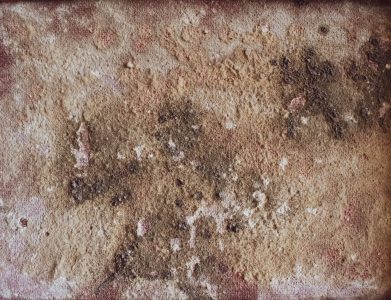
To make it easier for you, we’re going to explore some of the most common types of mold a Minneapolis mold removal company may find in your home over the course of this guide.
Stachybotrys
Stachybotrys is more commonly known by the name black mold, and it’s one of the more dangerous types of mold because of the neurological effects it can have on the people around it. However, stachybotrys isn’t the only kind of mold that has a black color, so don’t rely on how it looks to identify it on its own.
However, you are better off playing it safe if you’re dealing with a mold that’s black because of the potential symptoms you’ll deal with when it comes to black mold. Black mold is relatively rare because it can only grow in areas where the sustained humidity is over 90%, so that’s one silver lining to it.
Trichoderma
Trichoderma is a toxigenic mold that is typically found on wet soil. This is a relatively common mold family, with over 89 species of it recognized worldwide. The most common one of them is Trichoderma longibrachiatum, which is known as common house mold, and the most likely species to end up in your home.
As long as there is enough moisture and organic matter in a spot in your home, trichoderma can find a way to grow. This mold is considered toxigenic because it can produce mycotoxins in certain situations. Trichoderma is also pretty versatile, because it is sometimes used in antifungals that are applied to plants.
Chaetomium
Chaetomium is typically found on dead plants and soil in nature, but it can sometimes also spread to the house. This mold will typically be found in homes that have dealt with water leaks or broken pipes because it likes to take up residence in materials that have been damaged by water.
This kind of mold typically starts off by looking fuzzy and white, but as it matures, it starts to look more like black mold. Much like black mold, chaetomium requires a lot of moisture in the environment, which means that it and black mold can sometimes grow in the same spots and be difficult to tell apart.
Ulocladium
You’ve likely come across ulocladium if you’ve ever had to deal with a dirty bathroom that has mold growing between the tiles. This is an allergenic mold that can typically be found in bathtubs, showers, or windows in bathrooms, where the condensation makes the mold grow due to moisture.
Ulocladium is black, but it’s nowhere near as dangerous as stachybotrys, though this doesn’t mean that it’s safe to be around. Since it’s allergenic, it will typically cause coughing, sneezing, and potentially even nosebleeds. Aside from the bathroom, you may also come across this kind of mold on drywall and carpets.