
- Reindeer herders discovered the skeleton fragments along a lakeshore in Siberia.
- Scientists continue to search the silt for more of the skeleton.
Finding the skeletons of our predecessors on Earth is rare. Like, really rare. Paleontologists have discovered just a few thousand dinosaur skeletons representing between three and five hundred species. That’s from a group of animals who populated the Earth for 175 million years. By comparison, humans have been around for just 200,000 years. So it’s pretty exciting when we find these ancient bones.
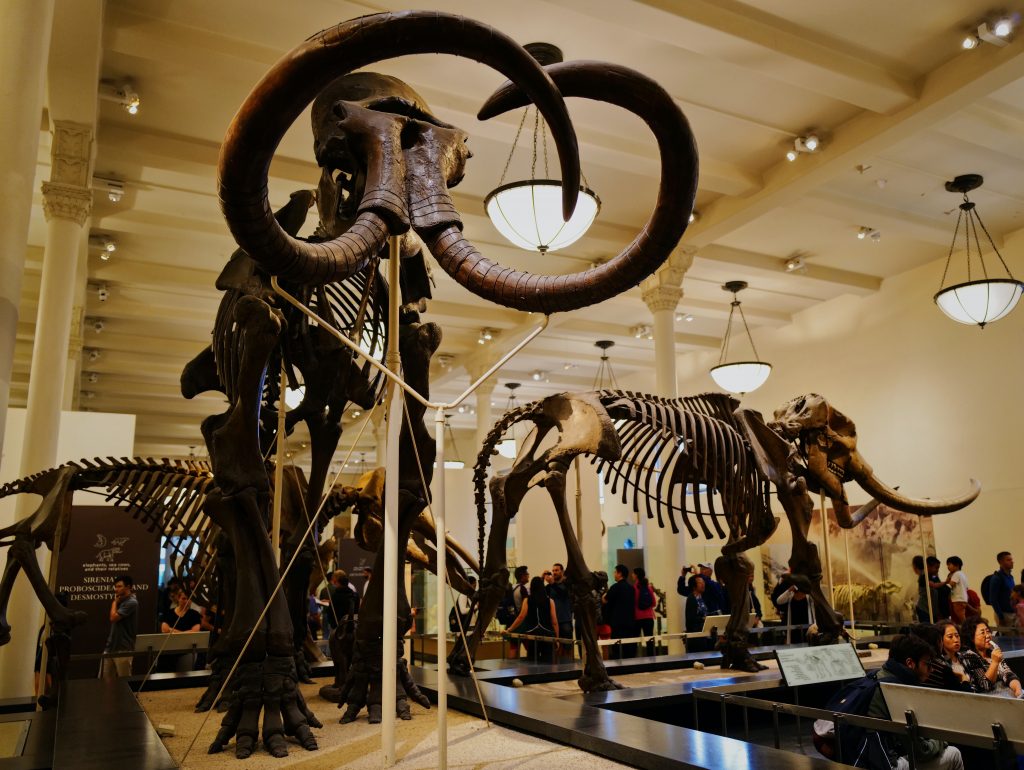
Bone Fragments with Sinew Still Attached
Reindeer herders in the Yamalo-Nenets region of Siberia stumbled upon bones from a wooly mammoth in Pechevalavato Lake. Shards included parts of a skull, lower jaw, and foot with sinew still attached. Most of the world’s mammoths died out 10,000 years ago, meaning they cohabitated with humans for thousands of years. In Siberia, scientists believe, dwindling herds survived the Earth’s changing climate for another 6,500 years. Ancient civilizations hunted the animals for food and used their bones and tusks for making tools, art, and even homes.

Not much has changed in the ten thousand years since they went extinct. People still covet mammoth ivory, creating an economic lifeline for Siberia. The tusks emerging from the permafrost of Siberia as the world continues to warm can reach over 13 feet long and weigh 150 pounds. For the tusk-hunters lucky enough to find them, intact tusks will fetch up to $60,000.
Mammoth Ivory Trade is Legal
Unlike ivory from their still-living-but-for-how-long cousins, elephants, the mammoth tusk trade is legal. Presumably, the hope was mammoth ivory would reduce demand for elephant tusks, and give the animals a break from poachers. But scouring the Siberian islands hoping to stumble over a tusk is brutal work, with less predictable odds of success than poaching. Summer temperatures in the region now soar into the triple digits. However, winter still lasts over 250 days out of the year. Tusk-hunters have just over three months to find and dig out their quarry each year.
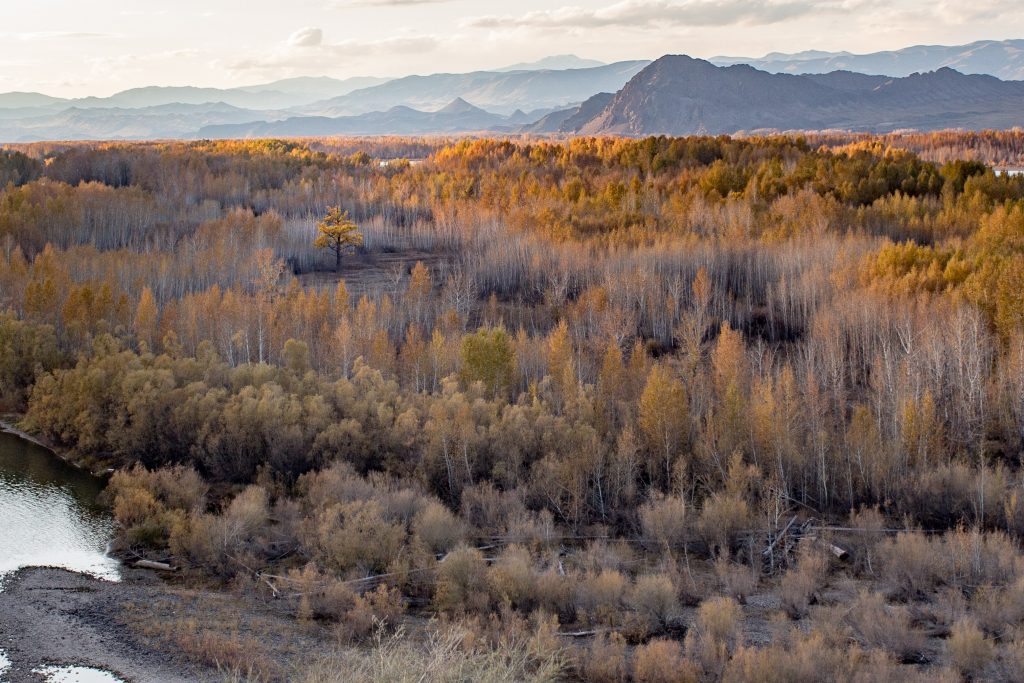
The reindeer herders weren’t actively looking for tusks along the lakeshore. And while bones are valuable to the scientific community, they don’t fetch the same monetary reward as ivory. Scientists are searching the silt for more bone fragments–the more complete the skeleton, the more they can learn about the prehistoric creatures.
The irony is scientists are learning more about mammoths as Siberia’s permafrost thaws from climate change. The same thing that stranded the last herds on the coastal islands of Siberia and caused the species’ extinction thousands of years ago.