
- Did you think literal air could ever be scary or harmful.
Did you ever think of people disappearing into the fog? Here are 9 true stories of these occurrences?
1. The Great Smog of London (1952)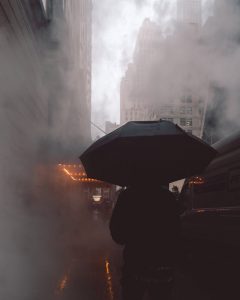
In December 1952, a deadly pollution fog known as the Great Smog of London blanketed London for five days. Visibility dropped to just a few feet, stopping traffic and closing theaters. People reportedly struggled to see their own feet while walking. Historical reports describe pedestrians collapsing in the streets from respiratory failure caused by the toxic air. Thousands died in the weeks following the smog and the thick haze made emergency response extremely difficult.
2. Newfoundland Coastal Fog Disappearances
Newfoundland is famous for dense Atlantic fog, caused when warm Gulf Stream air meets cold Labrador Current water. Fishermen historically navigated in near-zero visibility. Local folklore recounts several cases where fishermen stepped onto docks or walked along coastal paths and were never seen again. Fog can erase visual references, making it easy to misjudge distances and fall into cold ocean waters. Have you heard about this regarding disappearing into the fog?
4. The Lost Franklin Expedition
During the Franklin Expedition, two ships—HMS Erebus and HMS Terror—became trapped in Arctic ice. The region is known for frequent whiteout fogs, where snow and mist merge into a blank horizon. Explorers reported that it became impossible to distinguish ground from sky, leading to disorientation as crews attempted to walk across the frozen landscape.
5. Golden Gate Fog Incidents
The Golden Gate area in San Francisco experiences fast-moving fog banks rolling in from the Pacific Ocean. In the 19th century, ships sometimes rang bells continuously to prevent collisions. Sudden fog could hide entire vessels. Sailors occasionally reported hearing ships nearby but being unable to see them only a few hundred feet away. Have you heard about this regarding disappearing into the fog?
6. Fog in Aokigahara Forest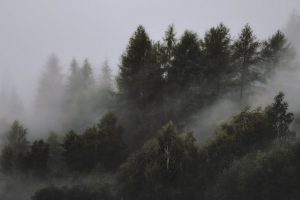
This forest sits at the base of Mount Fuji and is known for thick mist and unusual acoustics. The dense tree canopy and volcanic terrain can interfere with navigation tools. When fog rolls in, visibility drops dramatically. Hikers have reported losing trails quickly, and rescue teams say the forest’s layout can make search operations extremely difficult. Have you heard about this regarding disappearing into the fog?
7. Pine Barrens Fog Mystery
This huge forest region produces ground fog, especially at night or early morning. Low visibility combined with maze-like trails has led to many search-and-rescue incidents. Because the forest contains wetlands and thick brush, even short distances can become extremely confusing when fog rolls in.
8. Scottish Highland Hill Fog
Mountaineers frequently warn about hill fog, a fast-forming cloud layer that blankets valleys and ridges. Visibility can drop to just a few meters. Hikers without navigation tools can easily wander off paths, especially near steep ravines and cliffs.
9. Lake Michigan Fog Hazards
Lake Michigan produces dense advection fog when warm air passes over cold water. Piers and harbors can become extremely dangerous when visibility drops. People walking along docks sometimes lose sight of edges or steps, which can lead to accidental falls into the water. Have you heard about this regarding disappearing into the fog?
10. Norwegian Fjord Mist
Fjords create unique weather patterns where fog forms quickly between steep cliffs. Visibility may shift from clear to near zero in minutes. Hikers traveling between remote cabins have occasionally reported losing trails entirely in sudden mist.
So what do you think of these stories of disappearing into the fog? Tell us a story about the fog in the comments and the creepier, the better!