
- Here are some unique rivers to swim in, alongside some where you absolutely should not.
All rivers flow into the ocean. And that’s the only thing they have in common with each other.
Most rivers are relatively tame, even if they may have roaring rapids and massive waterfalls. Some, however, are just plain odd for various reasons. They may flow through extreme environments, change their course, or even be so hot as to be nearly boiling.
Here are nine examples of the strangest rivers in the world.
1. Yarlung Tsangpo
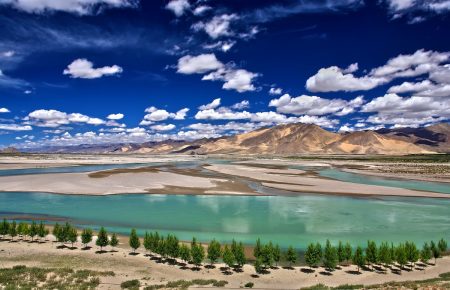
In its behavior, there’s nothing unusual about Yarlung Tsangpo. However, this Tibetan river, flowing in the Himalayas, is the highest major river in the world.
At its highest point, Yarlung Tsangpo flows at an altitude of 14,800 feet. From these heights, it descends to 9,800 feet before flowing into the Brahmaputra River.
What’s more, the river also flows through the Yarlung Tsangpo Grand Canyon, the world’s deepest river canyon.
2. Rio Negro
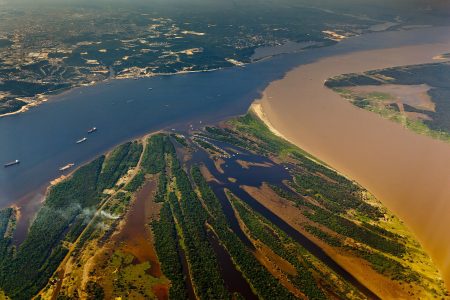
Rio Negro, as its Spanish name implies, is famous for its extremely dark-colored waters. When viewed from a bit farther away, the river appears almost entirely black, as opposed to the blue or sandy colors of most rivers.
The color is due to humic acid, which in turn comes from poorly decaying plant matter sitting on the river bottom. Rio Negro runs into the sandy-colored Amazon, with a dramatic contrast between their waters at the meeting point.
3. Caño Cristales
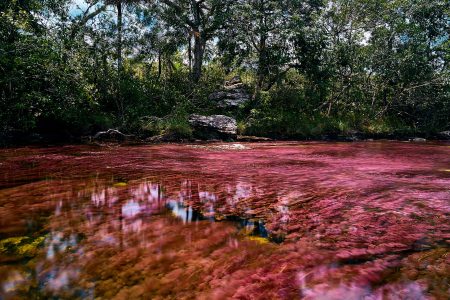
If Rio Negro is black, so is Caño Cristales. But it can also be red, pink, yellow, green, or blue.
Also called the River of Five Colors or the Liquid Rainbow, Caño Cristales is home to the aquatic plant Macarenia clavigera. The plant changes its coloration based on the river’s water level and the available sunlight.
In addition to the vivid colors, Caño Cristales has several waterfalls and whirlpools. With its dramatic appearance, it has become a popular tourist attraction in Colombia.
4. Puerto Princesa Subterranean River
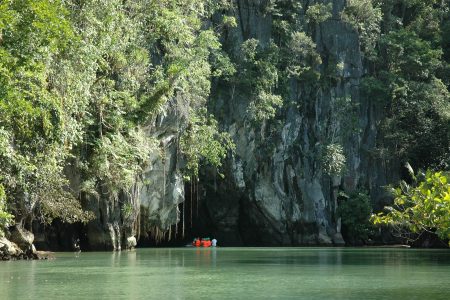
Want to go boating on the Puerto Princes River? Well, don’t expect much sunlight, as this river flows underground.
Located in the Philippines, the Puerto Princesa Subterranean River is the second-longest underground river in the world. However, it is the world’s longest navigable underground river, which makes it a unique travel destination.
Inside the huge caves the river flows through is an entire hidden ecosystem with animal species not found anywhere else. The limestone caves teem with bats, blind cave lizards, and even curious dugongs that have ventured upstream.
5. Citarum River
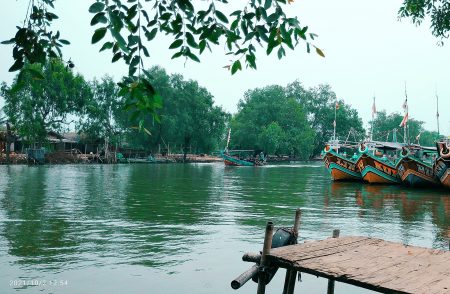
The Citarum River isn’t unusual due to any fault of its own. Sadly, this Indonesian stream has the dubious honor of being dubbed the most polluted river in the world.
Upstream textile factories, alongside many other industries, pump thousands of tons of wastewater into the Citarum every day. Its waters are so laden with lead, mercury, arsenic, and other toxic substances that swimming in it is out of the question.
And you certainly shouldn’t eat anything living in the river – not that there’s much to eat. An estimated 60% of the Citarum’s fish population had died since 2008.
6. Chicago River
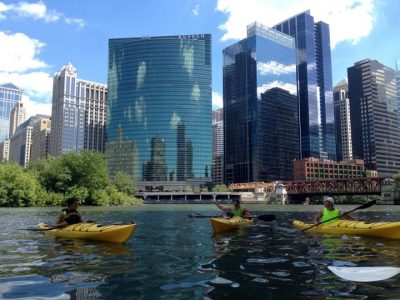
The Chicago River’s claim to fame comes from the enormous engineering project that did what might seem impossible. Completed at the turn of the 20th century, civil engineers reversed the Chicago River’s flow.
This unparalleled undertaking was done to prevent the Windy City’s wastewater and sewage from running into Lake Michigan. Today, the Chicago runs into the Des Plaines River, which in turn feeds the Mississippi.
Suppose they can deal with Chicago’s waste.
7. Tonle Sap
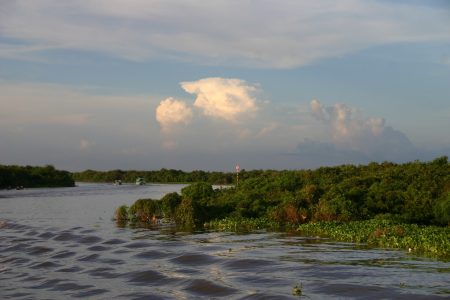
You don’t need human engineers to reverse a river, though. A few rivers, such as Cambodia’s Tonle Sap, do it naturally.
When it’s not monsoon season, Tonle Sap (which is really part river, part lake) runs south into the Mekong River. However, as the rainy season begins, the downpour increases the water levels in the river so much that the flow turns around, feeding the lake until it overflows.
This pattern of reversing flows repeats every year in a unique natural dance.
8. Yellow River
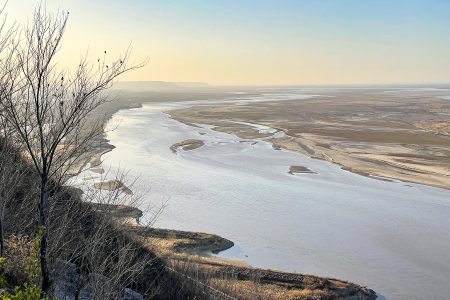
The Yellow River is China’s second-longest river, known for its silty waters from which it derives its name. It’s also infamous for being the deadliest river in the world.
It’s not that people go swimming and drown, though. The Yellow River has historically experienced regular catastrophic flooding that has altered its course several times and shaped the history of Chinese civilization.
The river has been both a blessing and a curse to China. On one hand, its floods have deposited fertile sediments that have drastically aided agriculture on its shores. On the other hand, each of those floods has killed untold numbers of people. The most devastating floods have swept away millions of people at once.
9. Shanay-timpishka
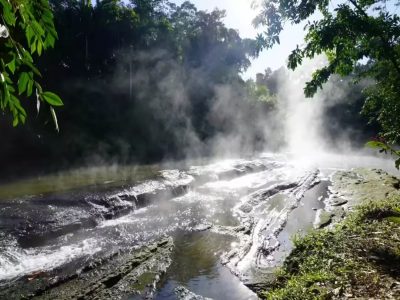
The Shanay-timpishka’s name comes from the Quechuan language. Translated into English, it roughly means “the sun-boiled river,” which is a very accurate name because the river is nearly boiling in places.
Waters in the Shanay-timpishka range from 81 degrees to sections where the temperature reaches 210 degrees. That’s just two degrees short of boiling, in case you need a reminder.
However, it’s not the sun that heats Shanay-timpishka. Although the exact mechanics are unknown, geologists believe underground fault lines behind the river allow rainwater to seep so deep underground that heat from the Earth’s core boils it.
This boiling water then flows back up to the surface, cooling down along the way – but not always all that much.
Want to read about other otherworldly bodies of water? Then you’ll love our list of 8 of the world’s oddest lakes!