
- Plant some of these in your garden and wait for the odd looks to start coming in.
Old McDonald had a farm, E-I-E-I-O! And on that farm, he had…
What the heck is this guy growing?
We’re all familiar with the common cash crops, from wheat to potatoes, coffee, cotton, and more. But there are a lot of much weirder things grown around the world. They might have super niche culinary uses, look absolutely mind-boggling, or simply be something you didn’t think anyone would farm.
Here are 9 examples of the weirdest crops grown across the globe.
1. Oca
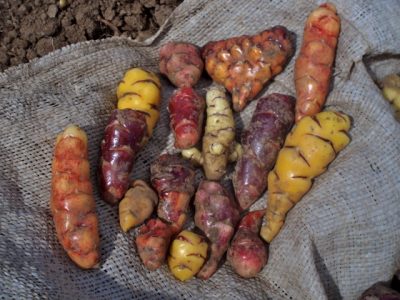
Let’s kick things off with a crop that comes from the same place as potatoes. Oca (or Oxalis tuberosa) is a tuber grown in the Andes for its edible root bulbs.
The strange thing about oca is that its flavor depends entirely on how much sun the plant gets as it grows. It can taste anywhere from very tart and sour to sweet like fruit, all based on how sunny it happened to be.
Cooking with oca must be kind of like Forrest Gump’s famous aphorism: you never know what you’re going to get.
2. Romanesco Broccoli
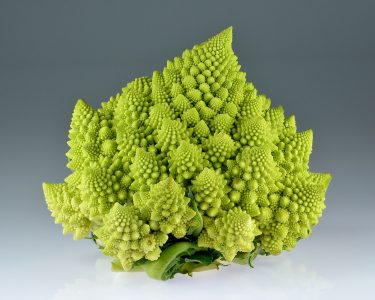
Romanesco broccoli stands apart from its regular relative with its striking shape. Instead of the familiar puffy florets, the romanesco grows in bizarre fractal shapes that give it a distinct, otherworldly appearance.
Its flavor isn’t quite the same either, being nuttier and firmer than regular broccoli. It’s still perfectly edible, and is grown in Italy as an expensive novelty vegetable.
3. Crosne
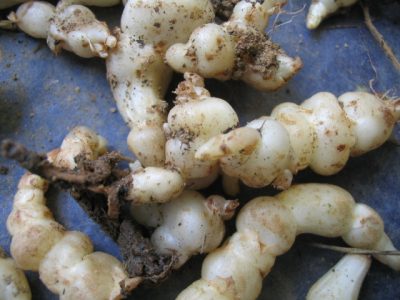
If someone handed you a piece of crosne, or Chinese artichoke, you might be grossed out. After all, it looks kind of like a maggot or grub.
Unlike its more familiar Western counterparts, Chinese artichoke is grown for its roots. These white, bumpy rhizomes have a crunchy texture and a sweet flavor. They can be eaten raw, but are often pickled for side dishes.
4. Ulluco
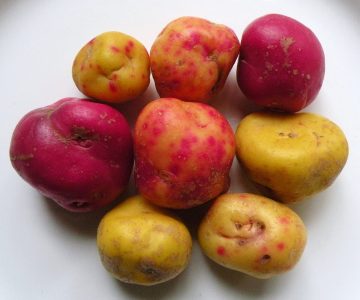
Ulluco is another tuber from the heights of the Andes. These tubers are superficially similar to potatoes in shape and flavor, although they do have a crispier texture.
Where they differ, though, is their appearance. Ulluco can come in potato yellow, but also bright red or even pink. They also have very waxy skin, which can make them look almost like plastic.
5. Salsify
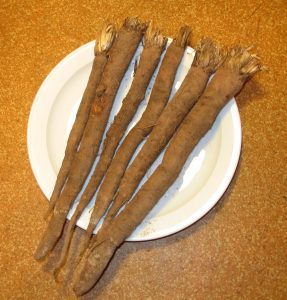
Salsify, which comes in black and purple variants, is a relative of the sunflower grown in southern and central Europe. Its roots can be used for food, but there’s a reason why the plant’s more common name is the oyster plant.
When prepared, the roots have a strangely salty, mineral-laden flavor that strongly resembles oysters or other seafood. It can come as a surprise to someone who’s never eaten salsify before.
Cooking the root, however, is a bit of an ordeal, since it secretes an extremely sticky latex when peeled. You have to wonder who was hungry enough to first eat the sticky, fishy roots.
6. Elephant Foot Yam
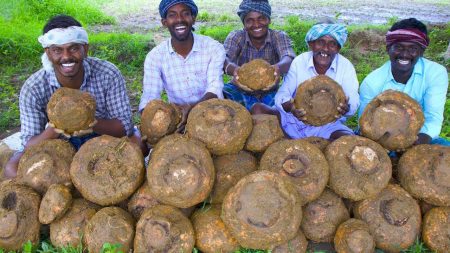
The elephant foot yam, grown in Southeast Asia and Africa, is appropriately named. It’s farmed for its edible tubers, which can grow to humongous sizes.
On average, the tubers weigh around 30 pounds. However, farmers occasionally unearth roots that clock in at 50 pounds.
Above ground, though, the yam is one disgusting plant. It belongs to the same family as the infamous corpse plant. Although smaller, the elephant foot yam’s weird upright flower emits a stench reminiscent of rotting meat to attract pollinating flies.
7. Ackee
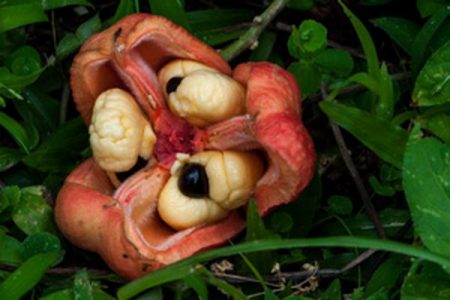
Ackee is a delicious, originally West African fruit and the national food of Jamaica. How it reached such renown is a bit of a mystery, since most parts of the plant are fatally toxic.
Even the edible flesh of the fruit can kill you, unless it happens to be perfectly ripe when you cook it. Eat a bit too early (or accidentally mix any other part of the fruit in the dish) and you’ll have one heck of a stomach ache – at best.
If you want to know more about ackee and other dangerous delicacies, read our list of 9 Delectable and Deadly Dishes.
8. Flesh-eating Plants

Most plants are grown because we can eat them. However, there are farmers in various parts of the world who grow plants that would rather eat you.
Well, they would if you were an insect. Various types of flesh-eating plants, from Venus fly traps to pitcher and sundew plants, are farmed both as ornamental plants and natural means of insect control.
Now I’m curious. Do the farmers have to release swarms of flies into their greenhouses to feed the plants?
9. Leeches
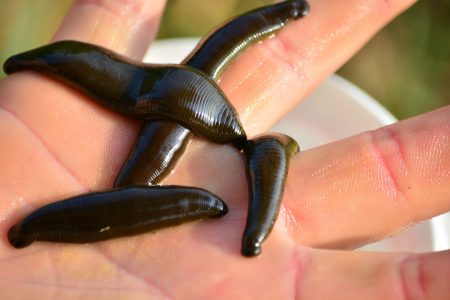
I know, leeches aren’t plants. But they’re grown much in the same way that plants are – to everyone’s discomfort.
Leech farmers sow their crop in pools, wait for it to mature, and then harvest it. Leeches are grown for their anticoagulant saliva, which can be used for medicinal purposes. It’s harvested from the leeches like seeds from a plant.
That, or doctors may buy the entire leech to use on a patient, in the style of the 19th century. The bloodsuckers have to be disposed of as biohazards after single use, though, to prevent a patient’s blood from contaminating others.
For more strange comestibles, check out these 8 Bizarre (but Edible) Fruits!