
- For terrible lizards, dinosaurs can get pretty goofy.
This year marks a significant anniversary for fans of large reptiles. On February 20, it will have been 200 years since British naturalist William Buckland scientifically named the first dinosaur.
Over those 200 years, we’ve learned more about these ancient animals than Buckland could’ve ever imagined. Naturally, some of the knowledge we’ve gained is pretty weird.
Here are eight facts about the first named dinosaur, together with a bunch of others, to celebrate 200 years of terrible lizards. Yes, that’s what “dinosaur” means, in case you were unaware.
1. The First Named Dinosaur Was Megalosaurus…
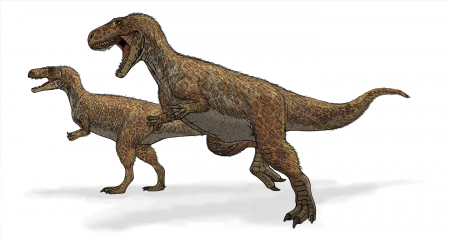
So, what was that first dinosaur that Buckland named in 1824? Well, it was the Megalosaurus.
The name roughly translates from Latin to “great lizard.” Of course, it wasn’t a lizard at all — no dinosaur is — but it was the best he could make out of the fossils at the time.
As a fun fact within fact, Buckland named this beast nearly 20 years before the word “dinosaur” existed. That term was invented in 1842 by Richard Owen.
2. …And It Looked Nothing Like Its Founder Thought
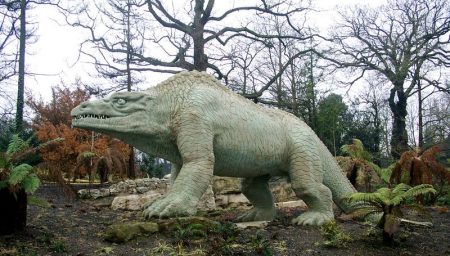
When naming the Megalosaurus, Buckland also naturally described what he thought the ancient beast looked like. He couldn’t have been more wrong.
Buckland pictured the Megalosaurus as a quadrupedal, 30-foot-long lizard that looked kind of like a cross between an iguana and a rhino. He figured the thing felt equally at home in water and on land.
According to modern research, the Megalosaurus is actually a bipedal therapod, looking like a smaller, slimmer T-Rex. But the largest found specimens have been roughly 30 feet long, so Buckland got that right.
3. The First Scientifically Described Dinosaur Part Had a Naughty Name
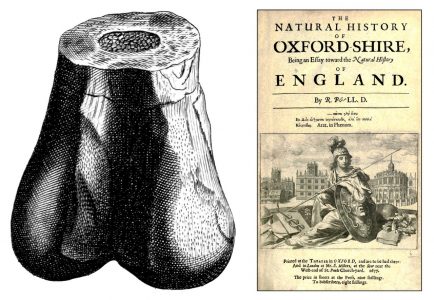
In addition to being the first described dinosaur, a fragment of the Megalosaurus’ femur (that is, thigh bone) is quite likely the first dinosaur part described in “modern” scientific terminology. In 1677, British naturalist Robert Plot wrote a description of what he thought was the bone of a Roman war elephant or a biblical giant.
Plot, however, dubbed the object Scrotum humanum, or “human testicles. He named it that because…
Well, look at it.
4. The Smallest Known Dinosaur is Pigeon-Sized…
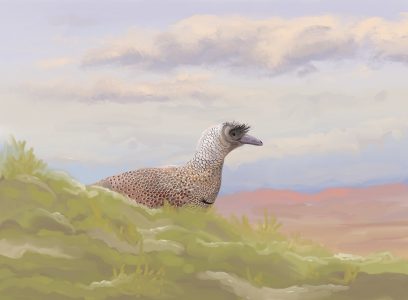
Naming the smallest dinosaur is difficult because it can be hard to know whether the tiny reptiles are adults or juveniles. That said, one of the smallest discovered, confirmed adult dinosaurs is the Parvicursor.
Its name appropriately translates to “small runner.” This tiny sprinter was about the size of the pigeon.
That said, there are even smaller pterosaurs. The thing is, though, pterosaurs aren’t dinosaurs — so we’re not counting them.
5. …And Most Dinosaurs Weren’t Particularly Huge
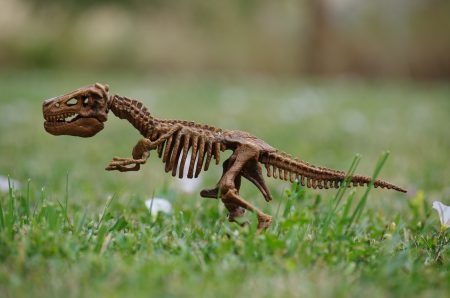
Now, the Parvicursor is very small, but most dinosaurs weren’t actually all that massive. The reptiles have a reputation for growing huge, but the majority of them were roughly man-sized or smaller.
That’s not to knock on dinosaurs or anything. A man-sized reptile coming screeching at you would still be terrifying.
So why is it, then, that most of the fossils we find are enormous? Well, there are two reasons.
First, big bones fossilize more easily than small ones. Also, more people are interested in huge dinosaurs, so they make the headlines.
6. ‘Irritator’ Was Named by a Frustrated Paleontologist
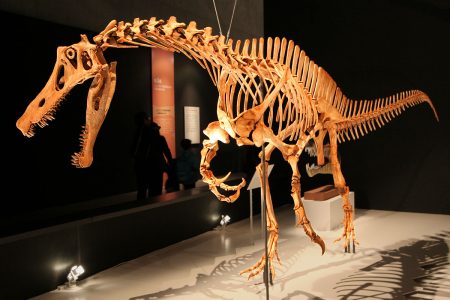
Over the 200 years we’ve been naming dinosaurs, some of them have been given very strange monikers. One of the most bizarre ones is the Irritator.
The catch here is that the name is very literal. The large, Spinosaurus-like beast was in 1996 by a team of paleontologists led by David Martill.
Martill grew frustrated since people had tampered with the as-of-yet-unnamed dinosaur’s skull, obscuring its details with shoddy plasterwork. He ended up naming the species Irritator because it pissed him so badly.
Kind of a low blow there, Dr. Martill. It’s not like the dinosaur did anything wrong.
7. Dinosaurs Were Pretty Dumb
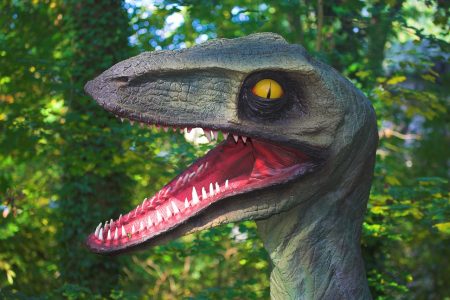
The Irritator may not have done anything wrong, but it — or any other dinosaur for that matter — probably wouldn’t have done many things right, either. That’s because they were, for the lack of a better word, dumb.
Dinosaurs may have grown huge, but even a newborn human baby has a bigger brain than the largest dinosaur. Their brainpower was enough for the beasts to thrive, but they sure weren’t particularly intelligent.
One of the (theorized) smartest dinosaurs was the Troodon, whose brain was about the size of a large modern bird. This means that calling a dinosaur a “bird brain” is a compliment.
8. Your Favorite Dinosaur May Have Disappeared
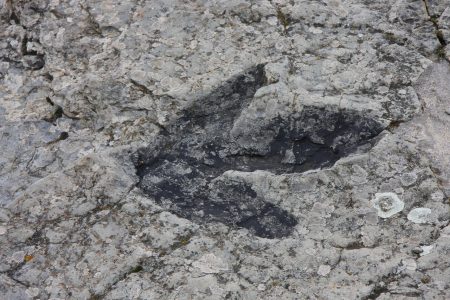
Was there a dinosaur you really liked as a kid but it seems to have completely disappeared off the records in the ensuing years? Good news, you may not be going crazy.
As researchers learn more about dinosaurs, they often end up reclassifying and renaming them. That’s because it often turns out that fossils they thought came from one species belong to another.
As a great example, let’s look at the Seismosaurus. At the time of its discovery in 1991, it became famous for two reasons — it was potentially the largest dinosaur ever and the thing apparently died from choking on a stone it swallowed.
Now, however, the Seismosaurus has disappeared, because further research has all but confirmed that it’s actually an especially large Diplodocus. It still probably died from choking, so that embarrassment at least lives on.