
- Dislike instant coffee or daylight savings time? Blame the World Wars.
We’re all familiar with the major consequences of significant world events. For example, everyone knows how the American Civil War led to the abolition of slavery or how the Industrial Revolution created the modern factory-based economic models.
But a big splash creates a lot of ripples. Most important events also had unexpected side effects that most people may not be aware of.
Here are eight examples of major historical events and their strange consequences.
1. World War II Made Instant Coffee Popular

Even the highest-quality instant coffee can’t compete with a freshly brewed cup o’ joe. So why does instant coffee remain so popular, much to the chagrin of coffee snobs?
At least for America’s part, you can blame World War II veterans. If the G.I.’s wanted a pick-me-up while fighting the Nazis, it came in the form of instant coffee.
After they returned home, they had gotten used to the taste and quick convenience of dehydrated coffee. As such, many of them kept drinking it and driving instant coffee’s popularity, even when objectively better options were available.
And hey – even instant coffee tastes infinitely better when you sip in the comfort of your own home instead of a foxhole under enemy fire.
2. Mongol Conquest Reduced Greenhouse Gases
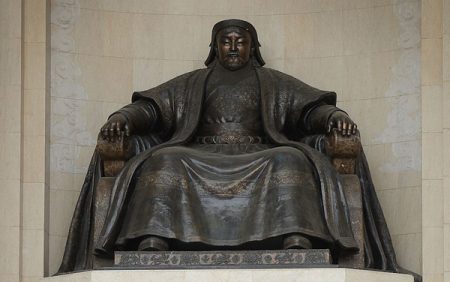
There’s no person on the planet who doesn’t recognize (and possibly shudder at the thought of) Genghis Khan. And no wonder, considering the Mongolian warlord conquered most of the planet in the 12th century.
His Mongol hordes ravaged, burned, and slaughtered their way through vast swathes of land. As they did so, their plundering had a bizarre side effect – they lowered the level of greenhouse gases in Earth’s atmosphere.
The Mongol conquest directly correlates with a drop in CO2 levels in the air. Depopulated areas no longer burned wood for cooking and heat, which reduced emissions and made Earth a little greener.
It wasn’t a massive effect, mind you, but it was large enough to show in the scientific record.
3. Titanic Sank Another Ship
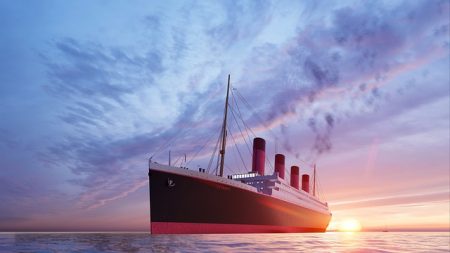
The 1912 Titanic disaster needs no recap. One of the main reasons for the enormous loss of life was the woefully inadequate number of lifeboats aboard the Titanic.
Following the sinking, governments around the world enacted legislation to force passenger ships to have more lifeboats. In the U.S., however, that resulted in another tragedy in 1915.
On the morning of July 24, the passenger ship SS Eastland listed sharply to the left after departing Chicago. The added lifeboats had made the ship so top-heavy that as most passengers gathered on the port side to wave goodbye to their loved ones, they shifted the ship’s balance and tipped it over.
As SS Eastland capsized and sank, 844 people died, making it the deadliest shipwreck on the Great Lakes.
4. Spanish Silver Broke the Ming Dynasty
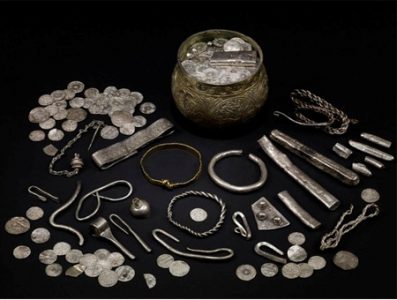
One of the reasons the Spanish conquistadors took over South America was the vast quantities of silver they (or rather, the enslaved natives) could mine from the ground. The immense riches extracted from the New World made Spain incredibly wealthy.
However, it was terrible news for China’s Ming Dynasty. Much of the Ming economy relied on mining silver, and the influx of Spanish treasures caused massive inflation in the price of the precious metal.
Consequently, the Ming government went all but broke. Although there were certainly other reasons for the Ming’s fall as well, the financial crisis was a major factor in fueling the unrest that led to the dynasty’s collapse.
5. The Cold War Created the Internet
The arms and technology race of the Cold War led to massive leaps in civilian tech on both sides of the Iron Curtain. But perhaps the most significant innovation to come out of the Cold War was this little thing called the internet.
Although it’s common knowledge that Tim Berners-Lee invented the World Wide Web in 1989, the internet had existed before that. Its first iteration was the ARPANET, the first TCP/IP-based communication network implemented by the U.S. Department of Defense.
If you’re a tech geek, you’ll know that the TCP/IP protocol is what the modern internet still relies on. If the wheel isn’t broken…
6. World War I Popularized Daylight Saving Time

World War I caused immense amounts of death, pain, and suffering through freshly industrialized warfare. One aspect of the misery lingers to this day – daylight saving time.
Although the concept of DST wasn’t new, it was first implemented on a national scale in 1916. The German Empire dictated that its citizens should adjust their clocks to reduce the consumption of precious coal during wartime.
Most other belligerents (the U.S., France, Great Britain…) soon followed suit. None of them have changed course since.
So, the next time DST annoys you? Blame the nightmarish trenches of the first World War.
7. Disastrous Volcanic Eruption Resulted in Frankenstein

It was 1816, and Mary Shelley was bored out of her mind. She, her husband Percy Bysshe Shelley, and their literary friends were visiting Switzerland, but the weather was atrocious all summer.
That would be because of the eruption of Mount Tambora the year prior. All the smoke and debris the volcano belched out resulted in the Year Without Summer, the coldest summer between 1776 and 2000.
The low temperatures and endless rain ruined crops and caused widespread hunger and disease. Meanwhile, the upper-class writers in their Swiss chateau decided to stage a ghost story competition to pass the time.
Mary Shelley won the contest with a tale of a mad scientist who resurrects a bunch of sewn-together corpses. And that’s how a volcano’s eruption directly resulted in one of the most celebrated novels of all time.
9. Black Death Made Life Better
Europe was not a good place to live in between 1346 and 1353. Then again, you probably wouldn’t suffer long, as the bubonic plague outbreak known as Black Death wiped out up to 60% of Europe’s and 30% of the Middle East’s population.
Afterward, though, life returned to normal pretty quickly. Actually, it didn’t go back to normal – life became significantly better.
Since the plague had killed off most of the continent’s capable workforce, the laborers who were left could demand (relatively) sky-high pay checks and improved working conditions. Their employers had no choice but to comply, since there was no one else left to do the work.
Meanwhile, there were many fewer mouths to feed since most everyone was dead. Consequently, those who managed to survive had plenty of food to eat, leading to better health and increased life expectancy.
Basically, if you didn’t die horribly, you were set for success.